Medicine
The practice of medicine is an art, not a trade; a calling, not a business.
— (1903)
Three young patients were alive without disease years after receiving experimental T cells. The phase 1 trial cannot show what caused those outcomes
ReMIND infused laboratory-grown T cells made from each patient's own blood into 33 children and young adults with high-risk brain tumors. The cells were expanded to react to three proteins that can be present in cancer cells. Three patients had disease-free intervals beyond 31.8, 41.2 and 51.6 months from the first infusion, including one complete response under the scan criteria. In the aggressive brainstem-tumor group, no scan showed enough shrinkage or disappearance to meet the trial's predefined response threshold. The same early safety-and-dose trial recorded one death serious enough to count against increasing the dose under its rules. Without a comparison group, the study cannot show whether the T cells caused the three outcomes.
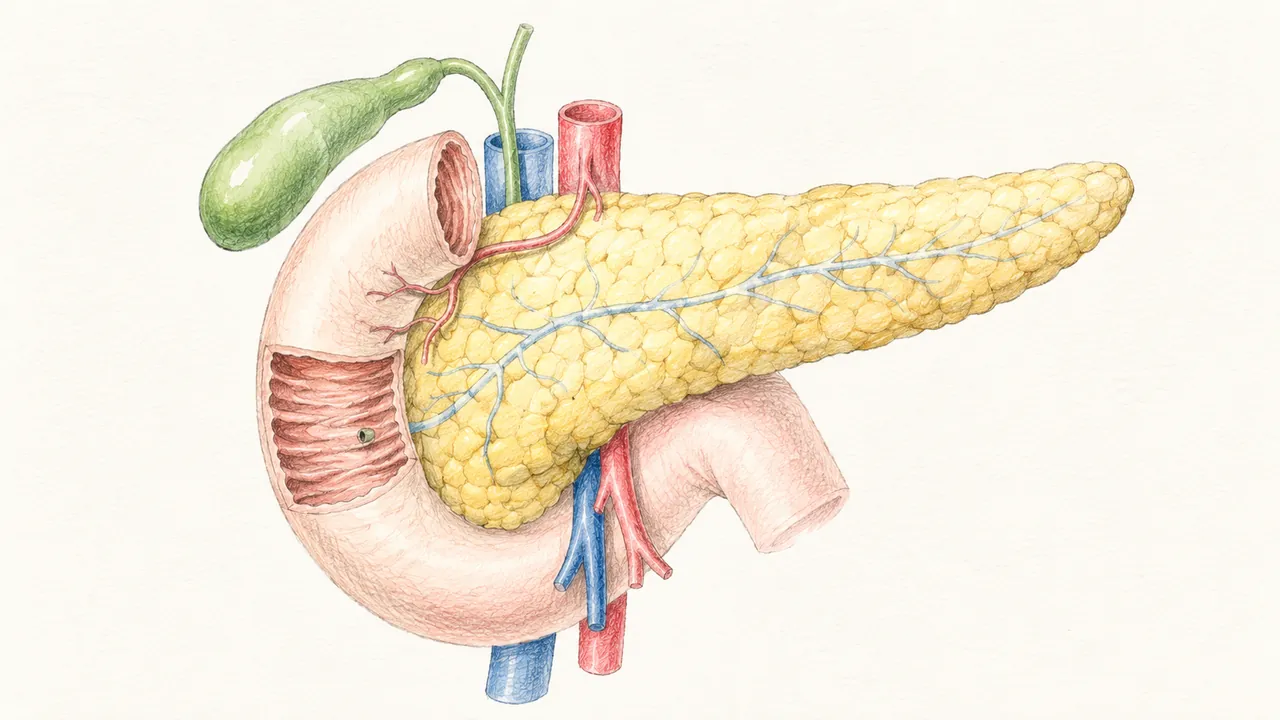
A KRAS vaccine triggered T cell responses in 18 of 20 high-risk participants — not proof it prevents pancreatic cancer
A single-centre phase I trial tested a six-mutation KRAS peptide vaccine in 20 people with inherited or familial pancreatic-cancer risk and pancreatic cystic abnormalities. Vaccine-related adverse events were grade 1 or 2, 18 participants met a prespecified blood T cell response criterion, and small-subset analyses found some immune persistence up to two years. No participant developed pancreatic cancer over a median 16.5 months, but the study was open-label, non-randomized, single-arm and not designed to test prevention. The vaccine is experimental; these results justify larger efficacy trials rather than claims that cancer was prevented.
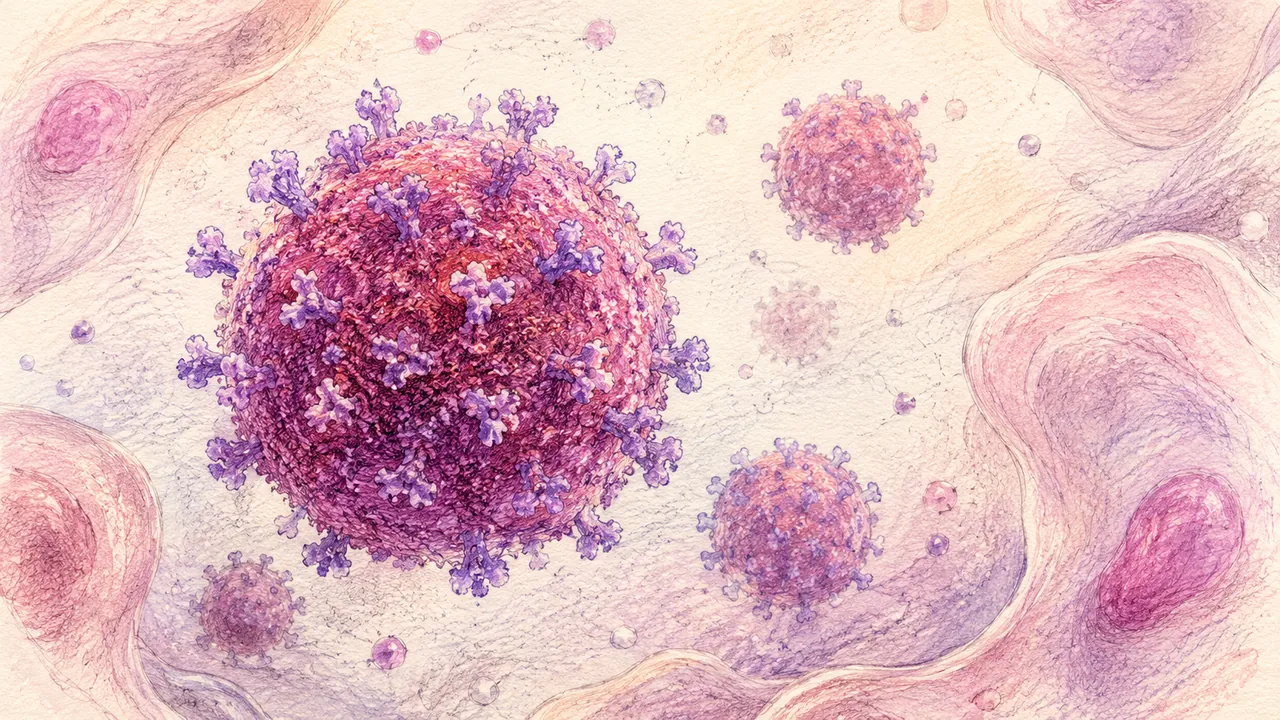
A macaque HIV model made rare broad antibodies appear faster — a vaccine clue, not a vaccine yet
A Science study engineered a SHIV model that exposed the HIV V3-glycan epitope in two steps: first by provoking antibodies to an altered V1 loop, then by selecting escape variants that opened the target for broadly neutralizing antibody precursors. In macaques, the engineered virus elicited potent V3-glycan broadly neutralizing antibodies in 14 of 22 animals within a year, compared with none of 14 given the parental virus. The result is a useful blueprint for immunogen design, not proof that an HIV vaccine works in humans.

A clinical AI that looked safe and improved the paperwork — but did not improve patient outcomes
A pragmatic, cluster-randomized trial in 16 Kenyan primary care facilities tested a generative-AI decision-support tool added to the record used by clinical officers. Among 9,691 patients, the strict 14-day expert-adjudicated composite of treatment failure was 2.2% with the tool versus 2.0% without (adjusted odds ratio 0.77, 95% CI 0.55-1.08, P = 0.13) — no significant difference. The tool showed no safety signal, improved documentation across all rated domains, left prescribing and satisfaction unchanged, and trended toward lower antibiotic costs. That is not a failed study; it is a rare, honest one — measured on patients, not on benchmarks — and it lands on the unglamorous truth that a tool which looked safe and helped the process did not demonstrably help patients in two weeks, and that detecting any such benefit would take a far larger trial.
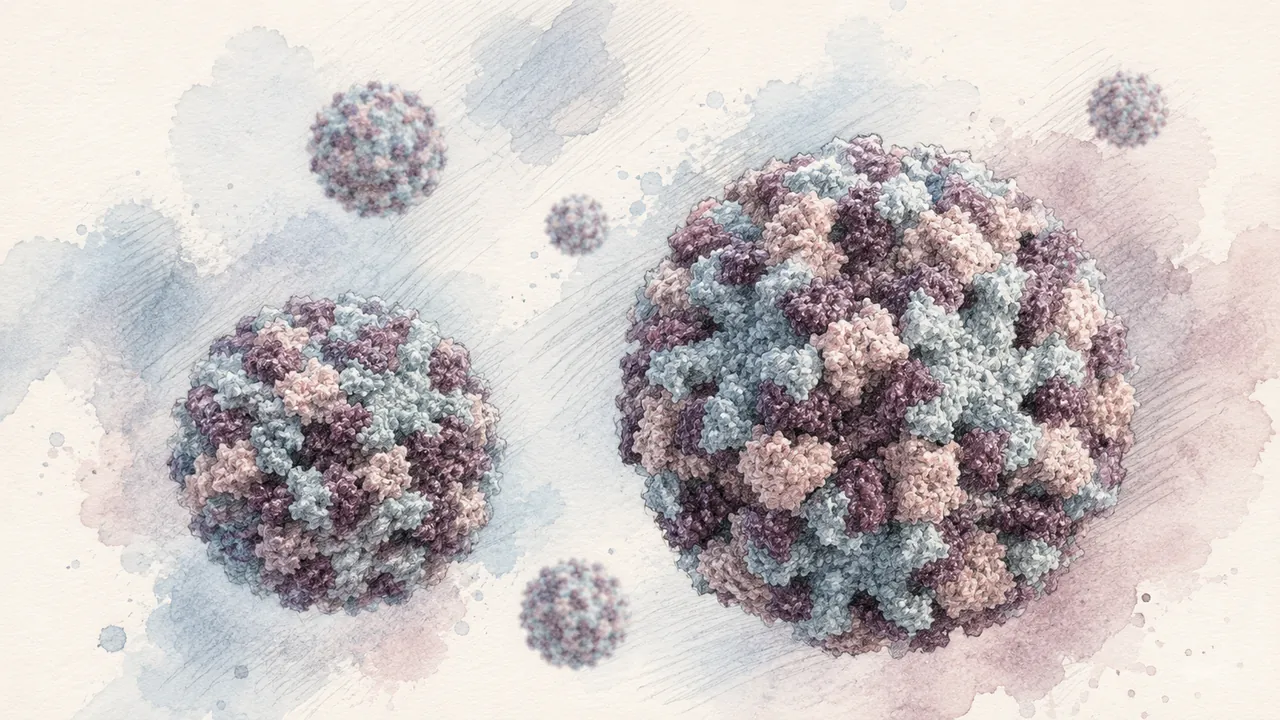
An oral norovirus vaccine reduced infection in a challenge trial — but missed its clinical endpoint
A phase 2b human-challenge study tested an oral tablet vaccine against GI.1 norovirus. Vaccinated adults were less likely to have qPCR-detectable infection after challenge, showed mucosal immune responses, and shed less viral RNA at some time points. But the prespecified clinical gastroenteritis endpoint was not met, the trial used a controlled high-dose challenge in healthy adults, and it did not measure real-world transmission or protection against the currently dominant GII.4 genotypes. This is a promising step toward a norovirus vaccine, not proof that one has arrived.
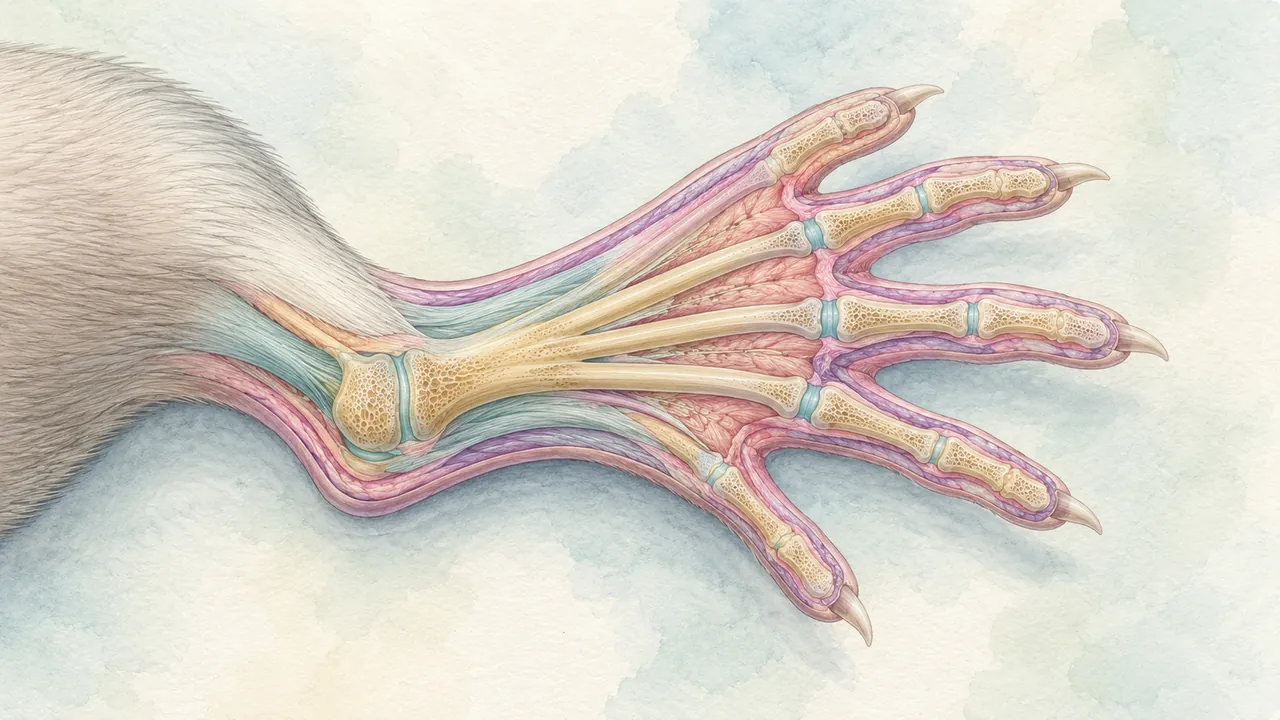
In mice, a two-step growth-factor treatment regrows an amputated digit's lost bones — imperfectly
At a mouse digit amputation that normally heals with a scar, implanting FGF2 and then BMP2 raised a blastema and regrew the lost phalanx and a small joint — similar to the originals but not identical, and far from a whole limb. It suggests the cells and signals for regeneration can be present even where mammals usually fail: a proof of principle in mice, not a human therapy.