Psychology
The curious paradox is that when I accept myself just as I am, then I change.
— (1961)
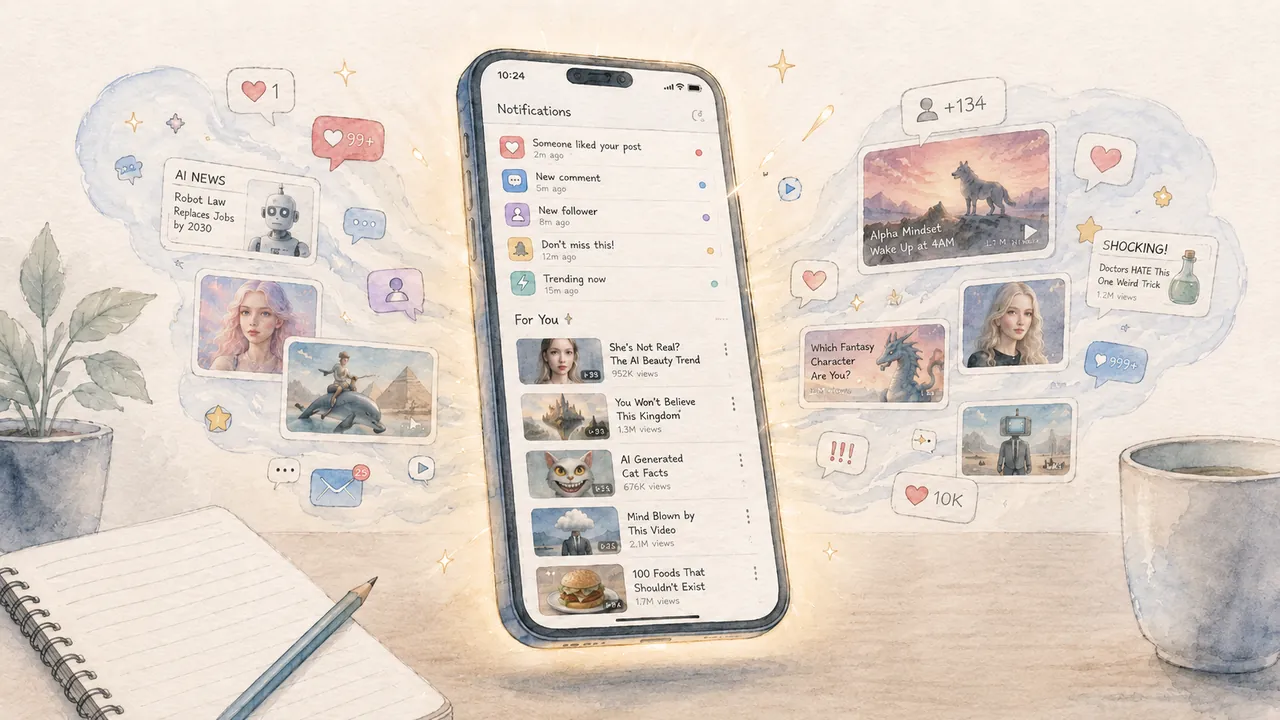
Maybe the problem is not that screens broke your brain. Maybe they changed what effort feels worth.
A Nature Human Behaviour Perspective argues that digital media may reshape cognition less by shrinking mental capacity than by recalibrating how people value effort. Low-friction, immediately rewarding platforms can make difficult work feel less worth starting or sustaining before its delayed payoff arrives. It is a useful framework, not proof of mass cognitive decline: the authors are proposing a mechanism to test, not showing that social media makes people stupid.
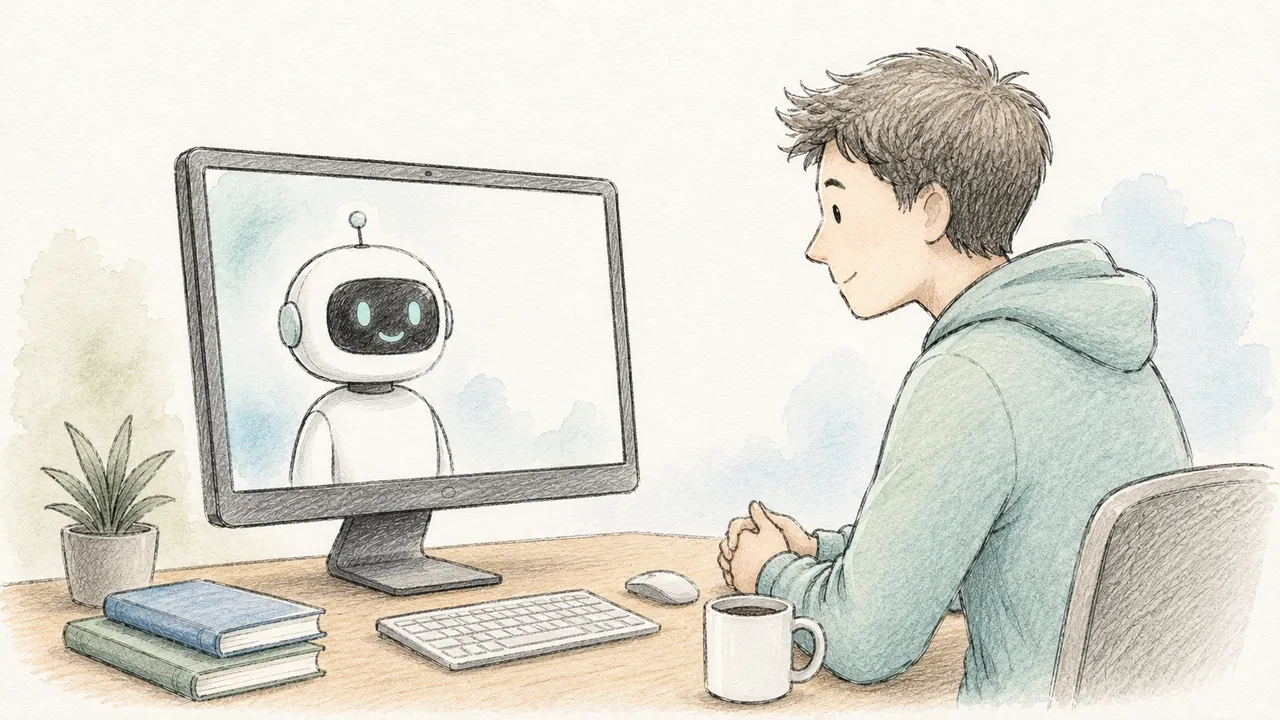
A chatbot appeared to reduce conspiracy beliefs for months
A 2024 study found that a three-round conversation with GPT-4 Turbo cut people's belief in a conspiracy theory they held by about 20%, an effect that lasted two months, generalized across conspiracy types, and rested on AI claims rated overwhelmingly accurate. In June 2026 the paper was placed under an Editorial Expression of Concern for data-handling and reproducibility problems; the authors say a corrected analysis preserves the finding in direction, significance, and size, and Science is still evaluating. A genuinely interesting, carefully built result — currently under review, neither settled nor debunked.
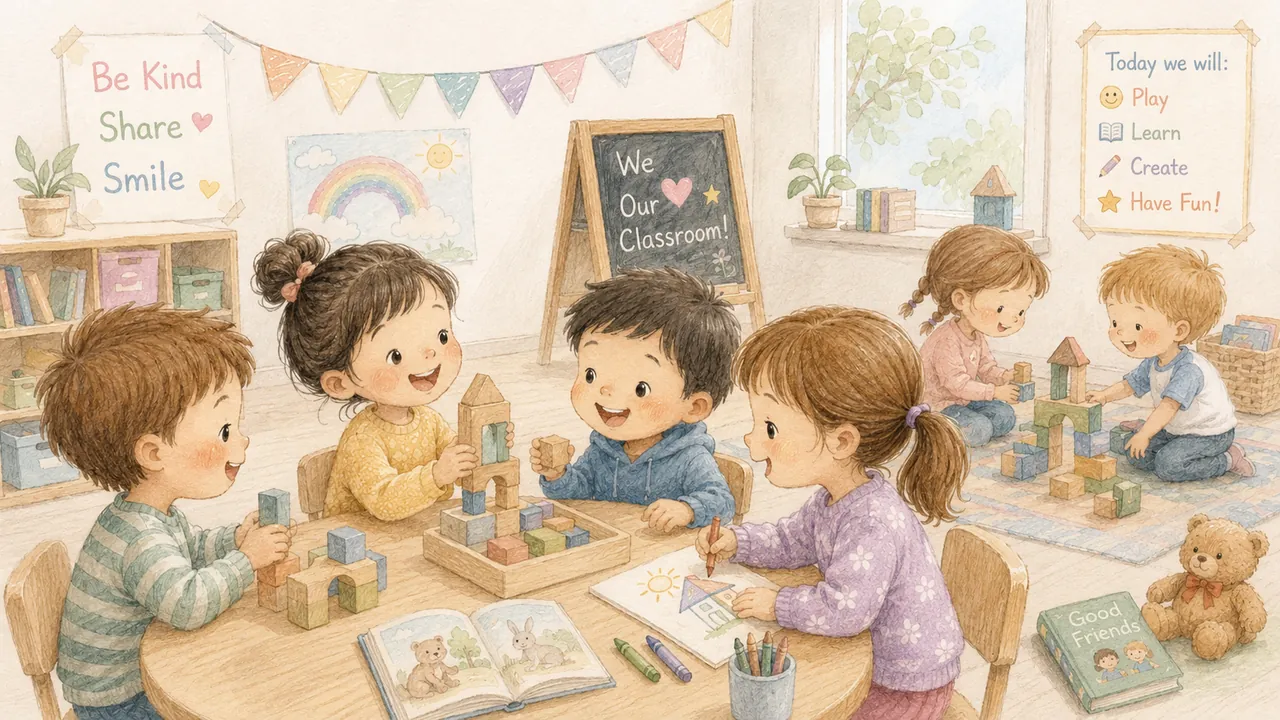
Young children are not simply selfish first: their quick choices were more prosocial than their slow ones
In a study of 537 Italian-speaking children aged 3 to 10, researchers asked children to make social choices under time pressure or after a delay. The youngest children's fast answers were more cooperative, honest and willing to accept low offers than their slow answers. As children grew older, that intuitive prosociality did not disappear - instead, deliberative prosociality rose to meet it. The careful reading: this is not proof that children are naturally good everywhere. It is evidence, in one Northern Italian sample and a set of lab games, that early prosocial impulses can be stable while reflective prosocial reasoning catches up.
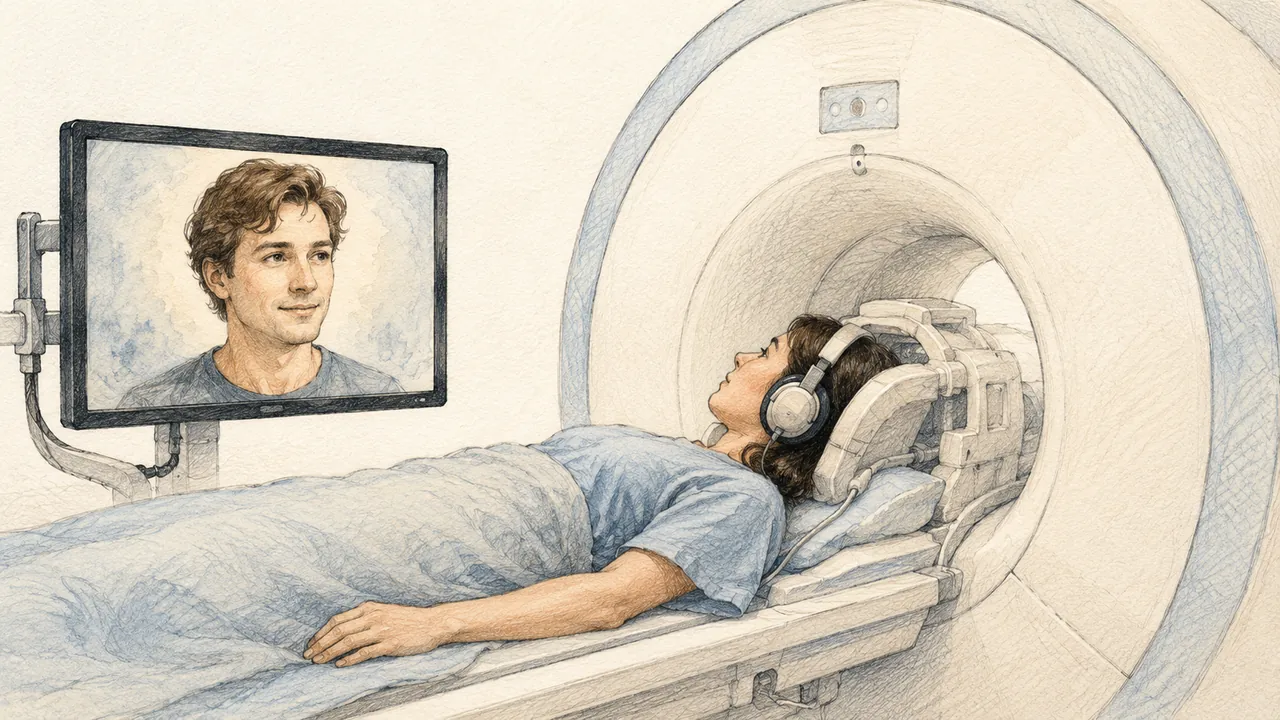
What you look at may match how your visual brain is tuned
A Nature Human Behaviour study links stable individual gaze habits - whether people tend to look first and longest at faces or at text in complex scenes - to the distinctiveness and size of matching category-selective regions in the visual cortex. The result is not a claim that people literally see different worlds, or that the brain causes the gaze pattern. It is a careful correlation: in adults, active looking and the brain's category maps appear matched to each other.