
The Clean Paper
Scientific papers, explained cleanly.
What the paper says. What it does not. Why it matters.
No clickbait, no ads, no hype.
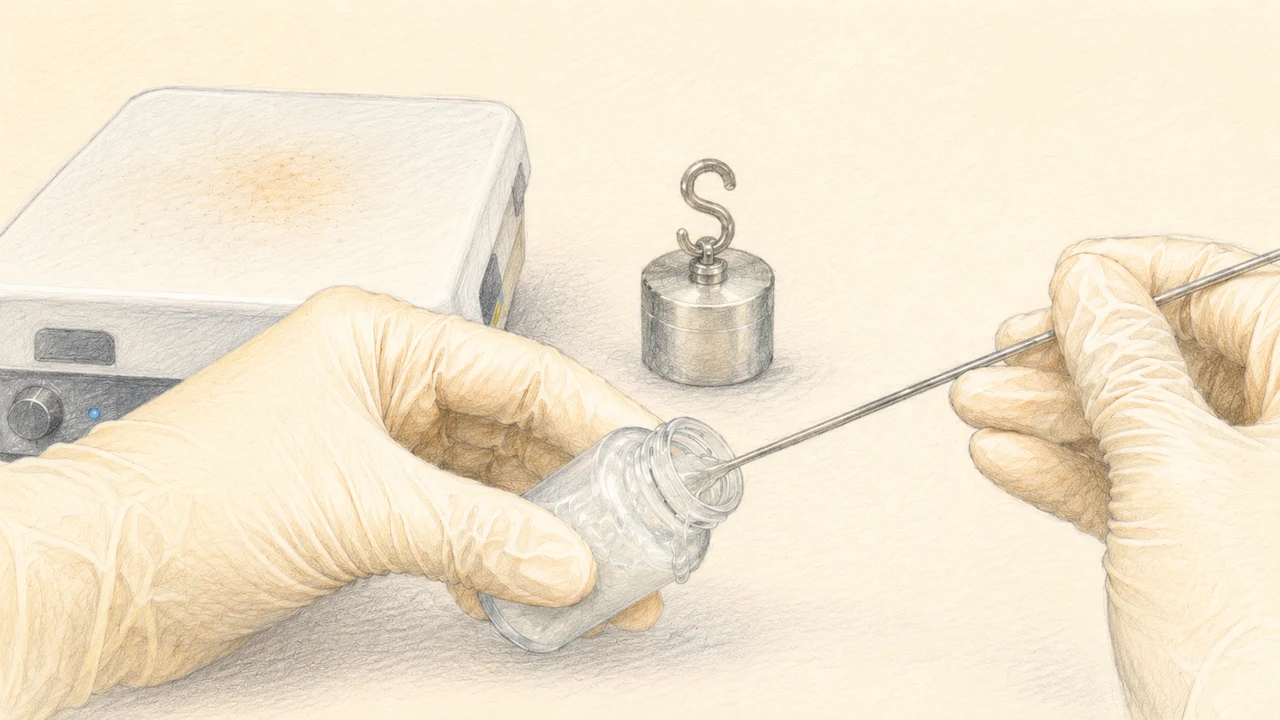
A small molecule glued untreated PTFE, then washed off with ethanol
A JACS paper reports fluoro-crown ether phosphate adhesives that bond notoriously inert PTFE in lab lap-shear tests while remaining removable by ethanol washing. CyclicFP-fmoc reached 1.3 MPa on untreated PTFE with ductile cohesive failure, and a related variant reached 2.3 MPa. The mechanism is supported by spectroscopic evidence for fluorine-fluorine interactions at PTFE plus hydrogen bonding and pi-stacking inside the adhesive. It is a promising materials result, not yet a commercial glue, a universal recycling fix or a full environmental-safety assessment.
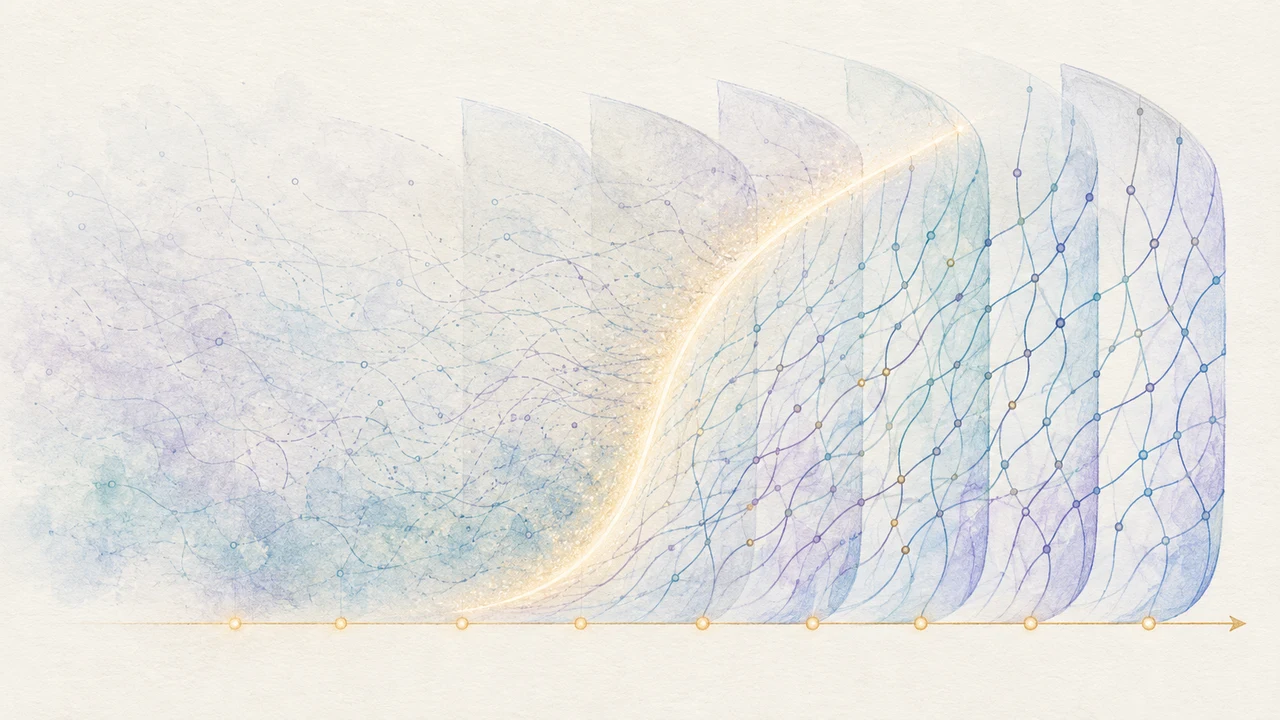
A five-dimensional classical model tries to rebuild quantum behaviour without quantizing gravity
A Scientific Reports paper proposes a 4D + tau framework in which ordinary spacetime evolves under an extra parameter. In simulations and model calculations, it recovers Newtonian gravity in equilibrium, aims toward basic general-relativistic structure, and reproduces EPR-type correlations and double-slit-like interference through worldline dynamics. The result is a provocative theoretical construction, not experimental proof that quantum gravity is solved or that standard quantum mechanics is wrong.
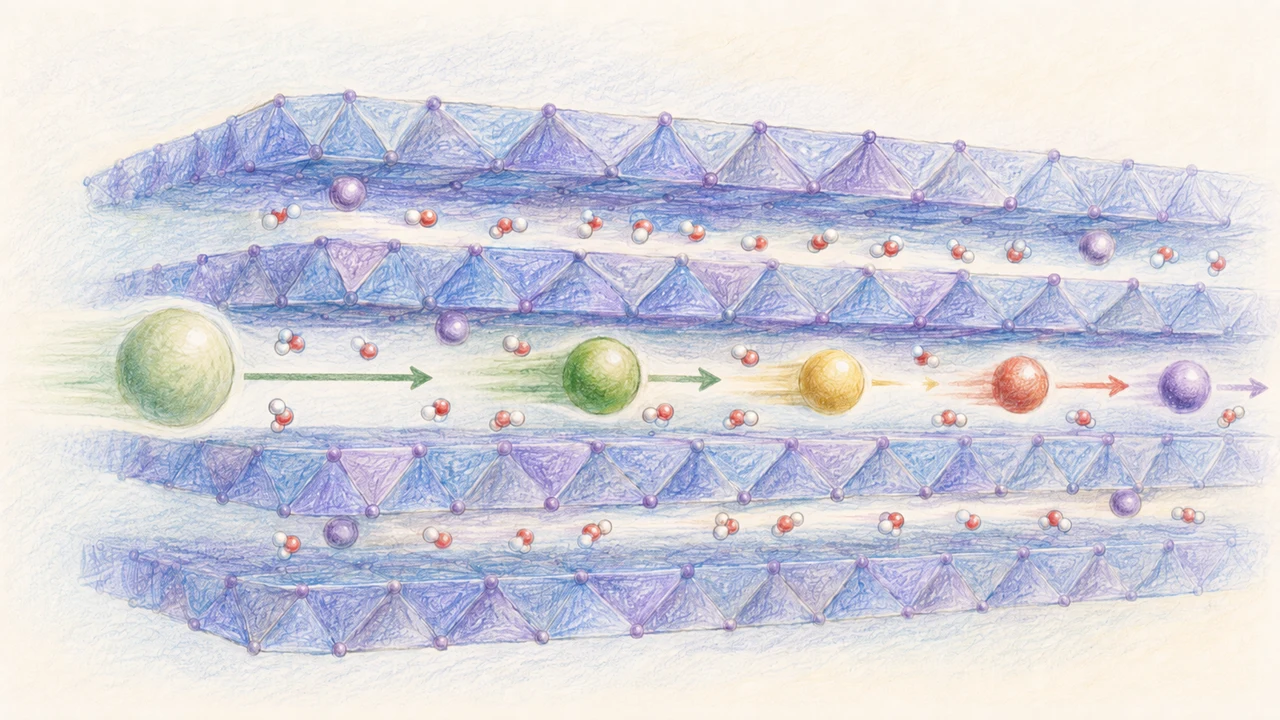
Pinning a water-filled mineral channel helped separate similar rare-earth ions
Magnesium held a hydrated manganese-oxide gap near the width of a lanthanide ion's water shell and improved selected pairwise enrichment in laboratory tests. The demonstrated work used millilitres of solution and milligrams of material; flow operation, long cycle life and commercial environmental performance remain unproven.

In orbit, table salt grew hollow cubes. Gravity changed the brine, not the salt
Sodium chloride crystals grown on the International Space Station included hollow, stepped cubes 2 to 8 millimetres across. The papers support a transport explanation: ordinary settling and buoyancy-driven flow were strongly suppressed, while diffusion dominated early growth. The lattice did not become a new form of salt, and the experiments do not establish an industrial process.

How long can Earth stay green? A climate model offers ranges, not a doomsday date
Twenty-nine three-dimensional climate simulations place different limits on Earth's photosynthetic biosphere between roughly 1.35 and 1.87 billion years from now. The values depend on deliberately simplified paths for rock weathering, heat and the lowest carbon-dioxide levels plants might use. They do not predict when all plants, all life, civilization or the planet will end.

A model removed almost every progressive aging process. Somatic mutations still ended the thought experiment
The model does not say that humans can live to 194 years. It freezes background mortality at age 30, excludes nearly every other progressive aging mechanism and asks when mutation-driven cell loss in four modeled tissues would cause failure. Its large numbers are conditional outputs, not reachable ages or treatment forecasts.
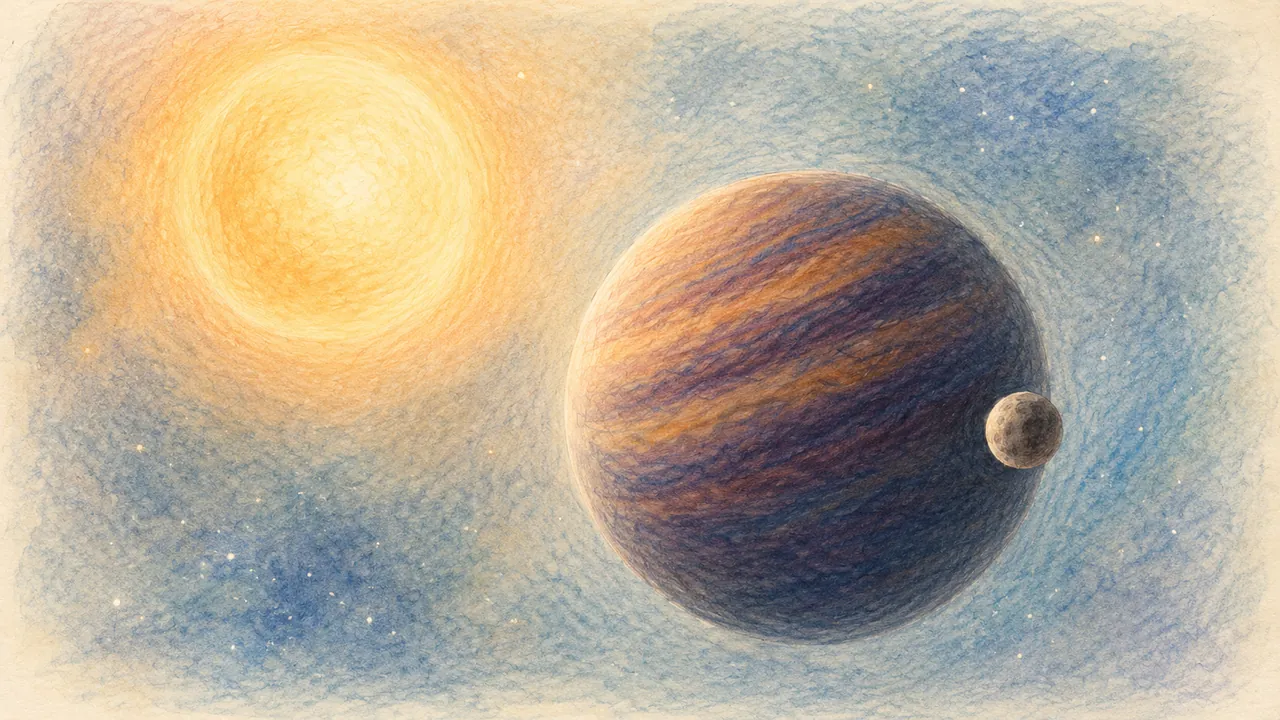
A brown dwarf appears to wobble every 171 days. One hidden world may be pulling it, but the data still permit two
Twenty-three high-quality spectra reveal a strong periodic shift in the motion of CD-35 2722 B. The preferred model is one eccentric companion with a minimum mass near Jupiter's, but a two-object model can mimic the same signal, slow brown-dwarf variability remains possible in principle and the word “exomoon” has no settled boundary here.
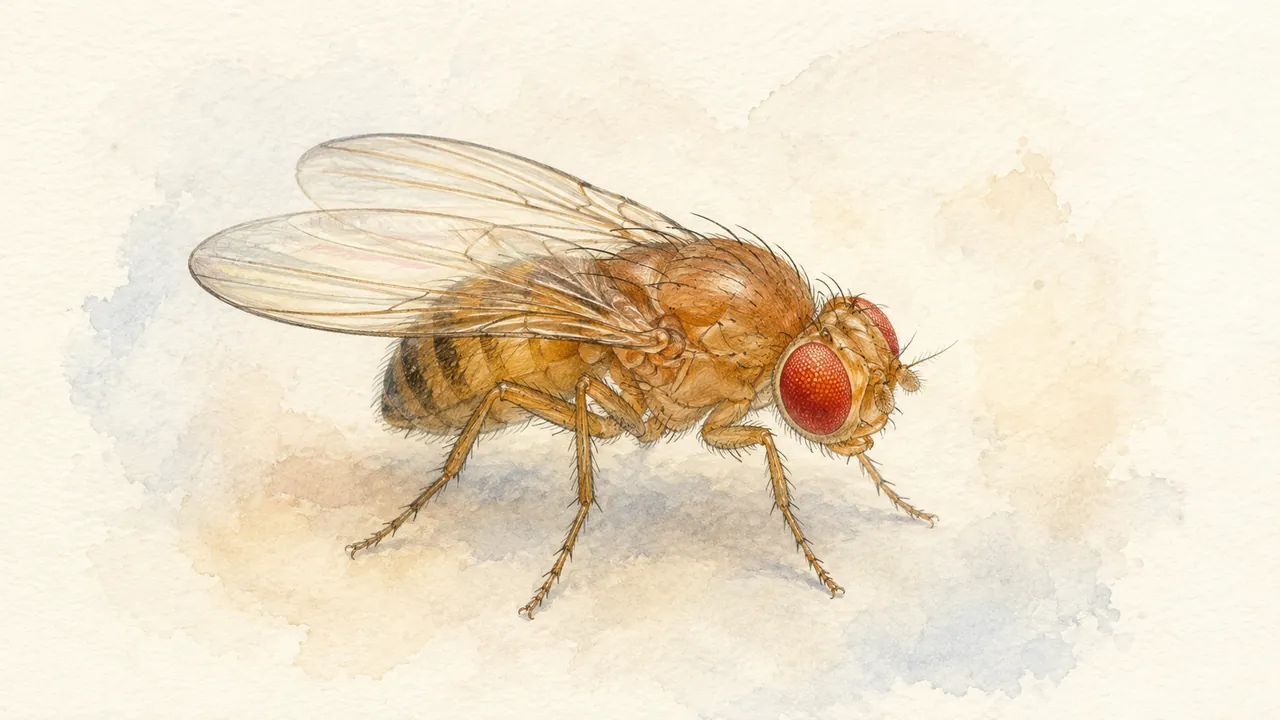
A fly can lose a scent and still turn back. In a virtual plume, a remembered direction helped
Tethered fruit flies repeatedly returned to an odor boundary after walking into clean air. Behavior, modeling and neural perturbations support a compact memory of direction, not a complete map. The result comes from a controlled virtual-reality assay and does not yet show the same strategy in free natural flight.

Three young patients were alive without disease years after receiving experimental T cells. The phase 1 trial cannot show what caused those outcomes
ReMIND infused laboratory-grown T cells made from each patient's own blood into 33 children and young adults with high-risk brain tumors. The cells were expanded to react to three proteins that can be present in cancer cells. Three patients had disease-free intervals beyond 31.8, 41.2 and 51.6 months from the first infusion, including one complete response under the scan criteria. In the aggressive brainstem-tumor group, no scan showed enough shrinkage or disappearance to meet the trial's predefined response threshold. The same early safety-and-dose trial recorded one death serious enough to count against increasing the dose under its rules. Without a comparison group, the study cannot show whether the T cells caused the three outcomes.
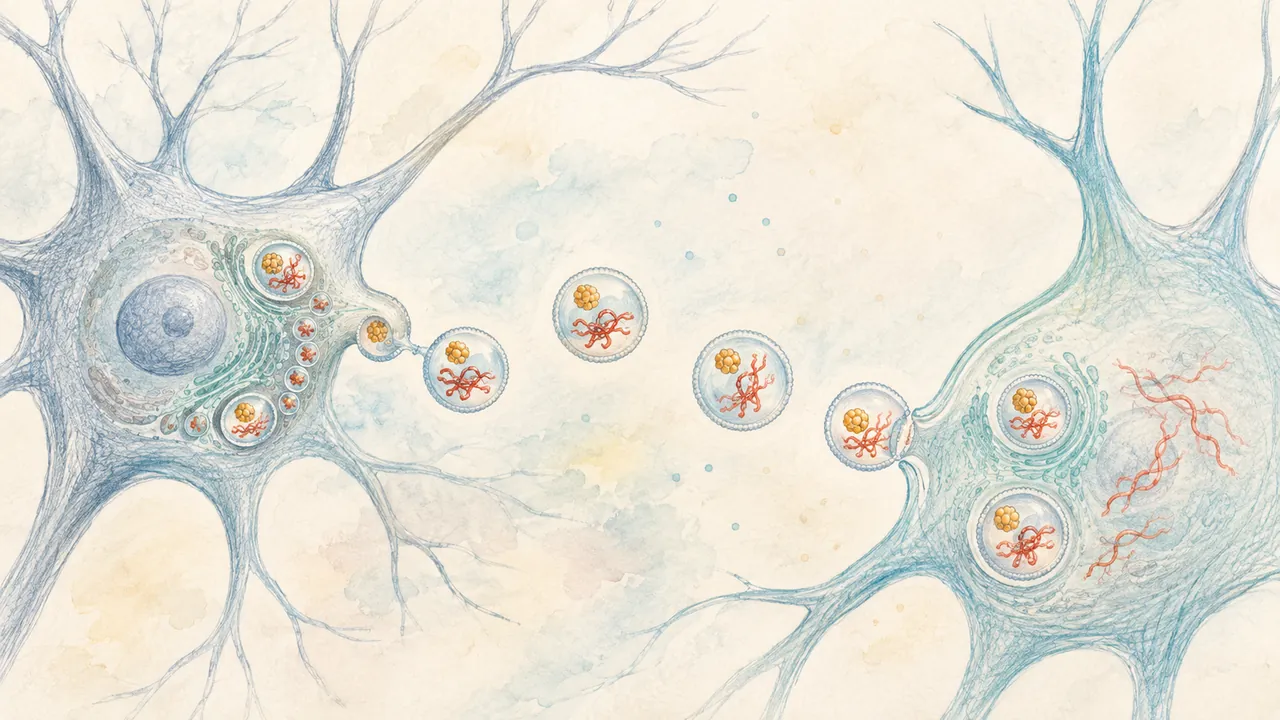
A gene that ships toxic tau out of neurons both clears it and helps it spread
Tau pathology moves from neuron to neuron in Alzheimer's disease, but how tau leaves a cell has been unclear. A Cell study finds that Arc - a neuronal gene that forms virus-like capsids - directly binds tau and packages it into extracellular vesicles that neurons release. In mice and cultured cells, deleting Arc cut the amount of seed-competent tau in those vesicles and nearly abolished cell-to-cell transmission; in human Alzheimer's brain vesicles, Arc levels tracked with phosphorylated tau. The catch is that the same packaging both removes toxic tau from a neuron and helps spread it: Arc-less mice accumulated more tau inside neurons and showed a modest early rise in cell death. This is a mechanism in models plus a human correlation - not the cause of Alzheimer's, and not a therapy.
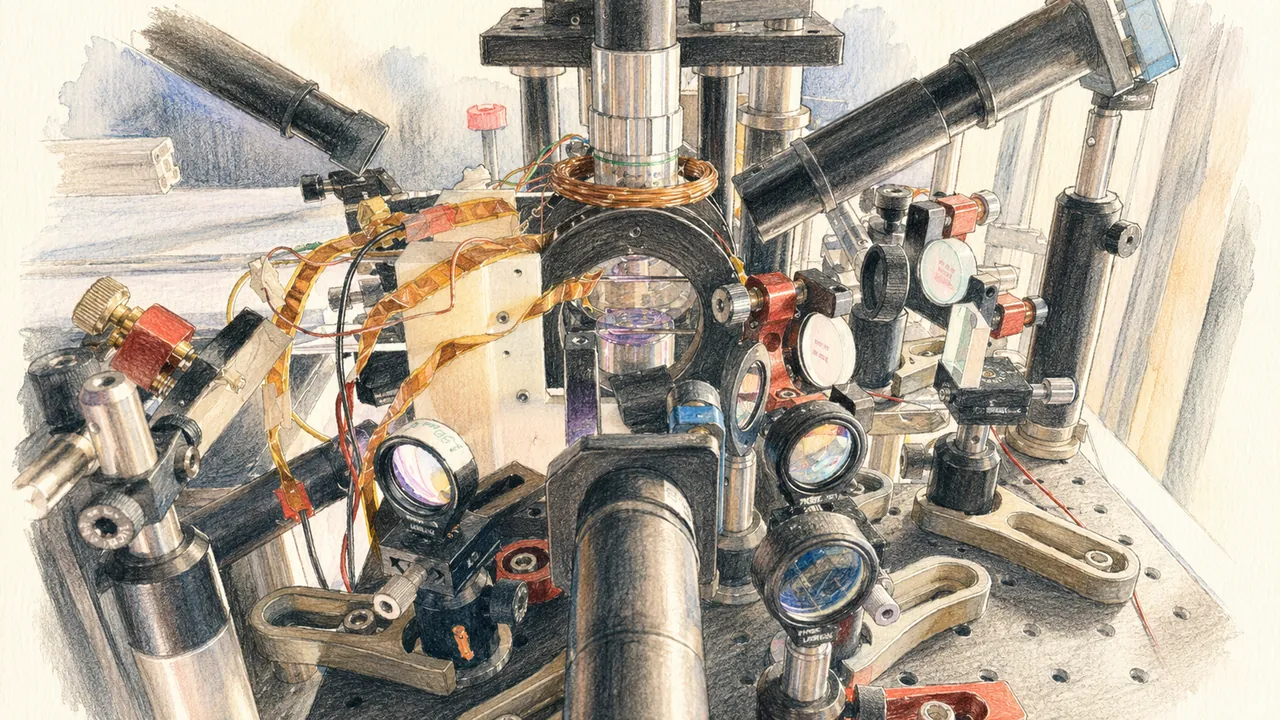
A cold-atom experiment tests quantum gravity's 'problem of time' - as a laboratory analog, not an answer
In canonical quantum gravity, the Wheeler-DeWitt equation has no external clock to sequence events: the 'problem of time'. A single-author experiment isolates a Bose-Einstein condensate, splits it with a thin optical barrier into an unobserved and an observed sector, and builds an internal clock from the entropy that flows between them. That 'entropic time' orders the observed sector's expansion and recollapse, and an effective equation reproduces the measured data in the low-barrier case examined. It is a controlled testbed for relational-time ideas: the 'big bang', 'big crunch' and 'miniuniverse' are analog labels for a trapped gas, not real cosmology, and the work does not claim to solve the problem of time or quantum gravity.
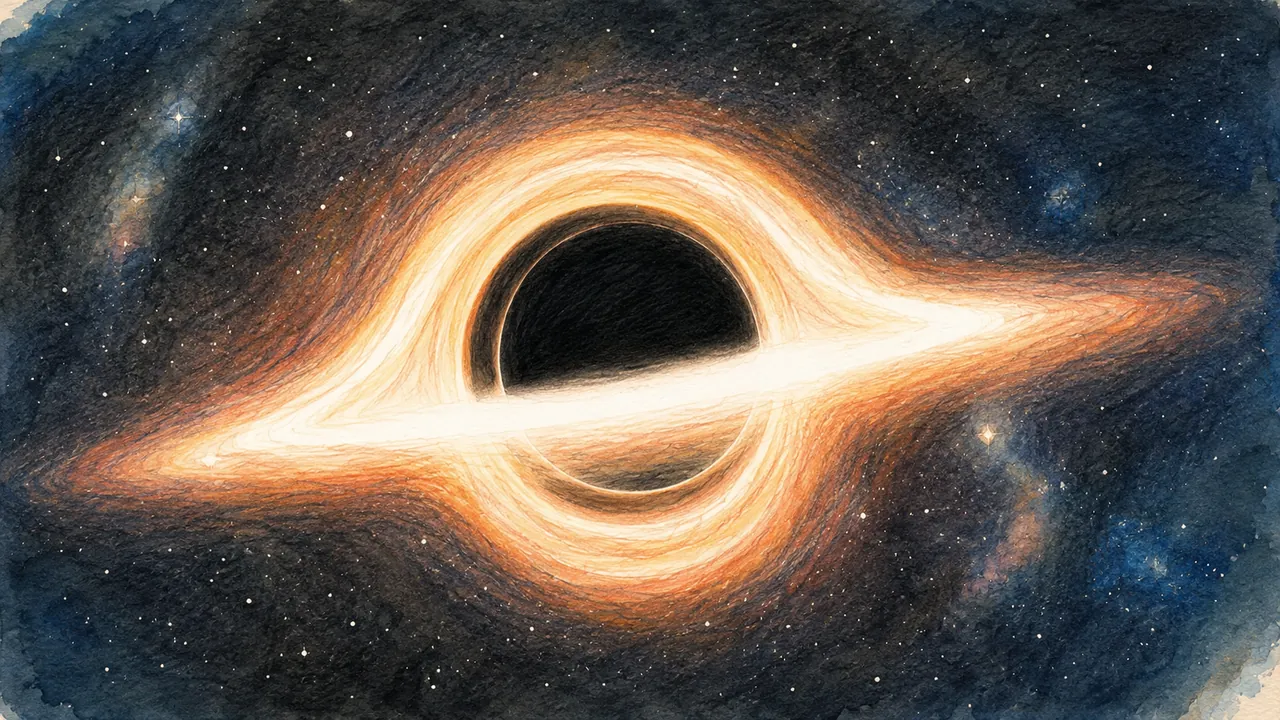
Black holes obey thermodynamic 'laws' — a new result extends them to black holes violently out of equilibrium
Since the 1970s, black holes have been known to obey laws that mirror thermodynamics, but the cleanest version only applied to black holes sitting quietly in equilibrium. A new Physical Review Letters paper extends the first and second laws to portions of quasi-local horizons that qualify as dynamical horizon segments and can be arbitrarily far from equilibrium — during accretion, collapse and most stages of a black-hole merger. Simulations track the quasi-local horizon throughout the merger, but the laws do not yet cover the brief interval around coalescence when it is not a dynamical horizon segment. The core framework is in general relativity, with a semiclassical application to evaporation; it is not new quantum gravity, an observation or a resolution of the black-hole information puzzle.
The first isotope reading of an interstellar comet hints it was born around an old, metal-poor star — with big error bars
Astronomers used the VLT to measure carbon and nitrogen isotope ratios in 3I/ATLAS, the third known interstellar comet — the first time this has been possible for an object from another star. Both ratios come out higher than in Solar System comets, which is compatible with 3I forming in the cold outer reaches of a disk around an older, low-metallicity star. The measurement is a genuine first, but it rests on one object, two ratios from a single molecule, and large uncertainties — not a discovery of where 3I came from, and nothing to do with life.
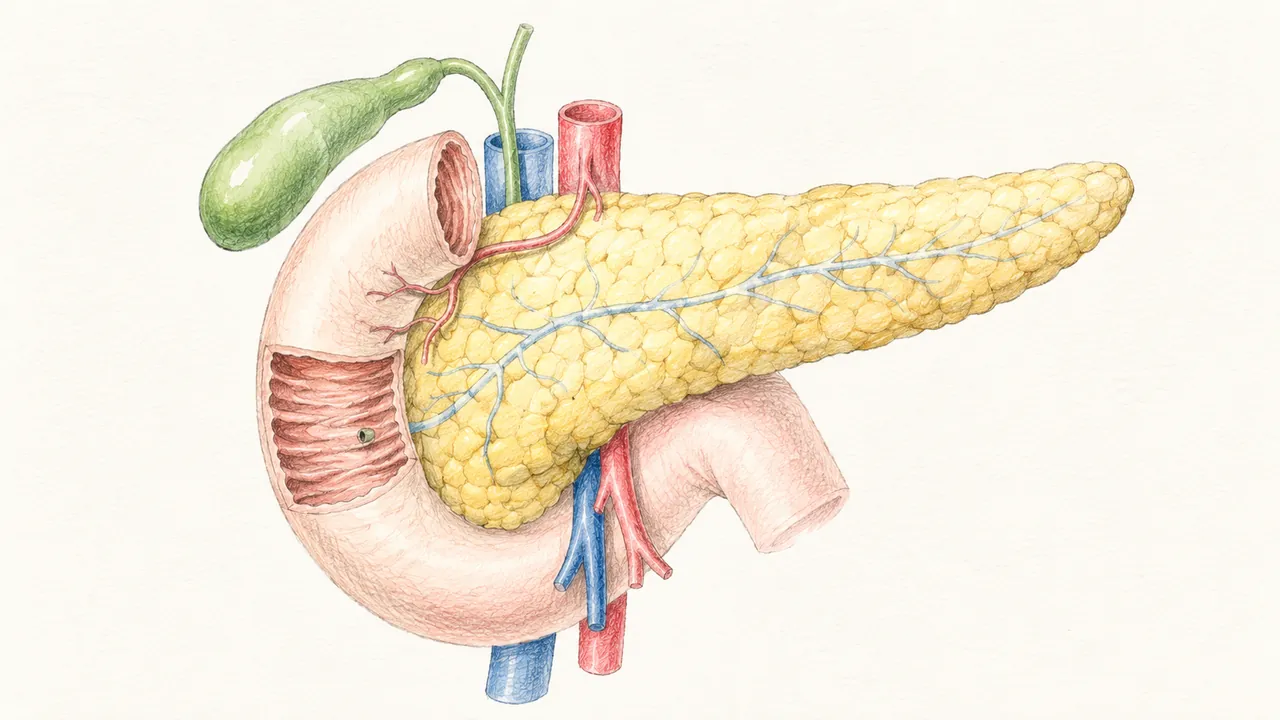
A KRAS vaccine triggered T cell responses in 18 of 20 high-risk participants — not proof it prevents pancreatic cancer
A single-centre phase I trial tested a six-mutation KRAS peptide vaccine in 20 people with inherited or familial pancreatic-cancer risk and pancreatic cystic abnormalities. Vaccine-related adverse events were grade 1 or 2, 18 participants met a prespecified blood T cell response criterion, and small-subset analyses found some immune persistence up to two years. No participant developed pancreatic cancer over a median 16.5 months, but the study was open-label, non-randomized, single-arm and not designed to test prevention. The vaccine is experimental; these results justify larger efficacy trials rather than claims that cancer was prevented.
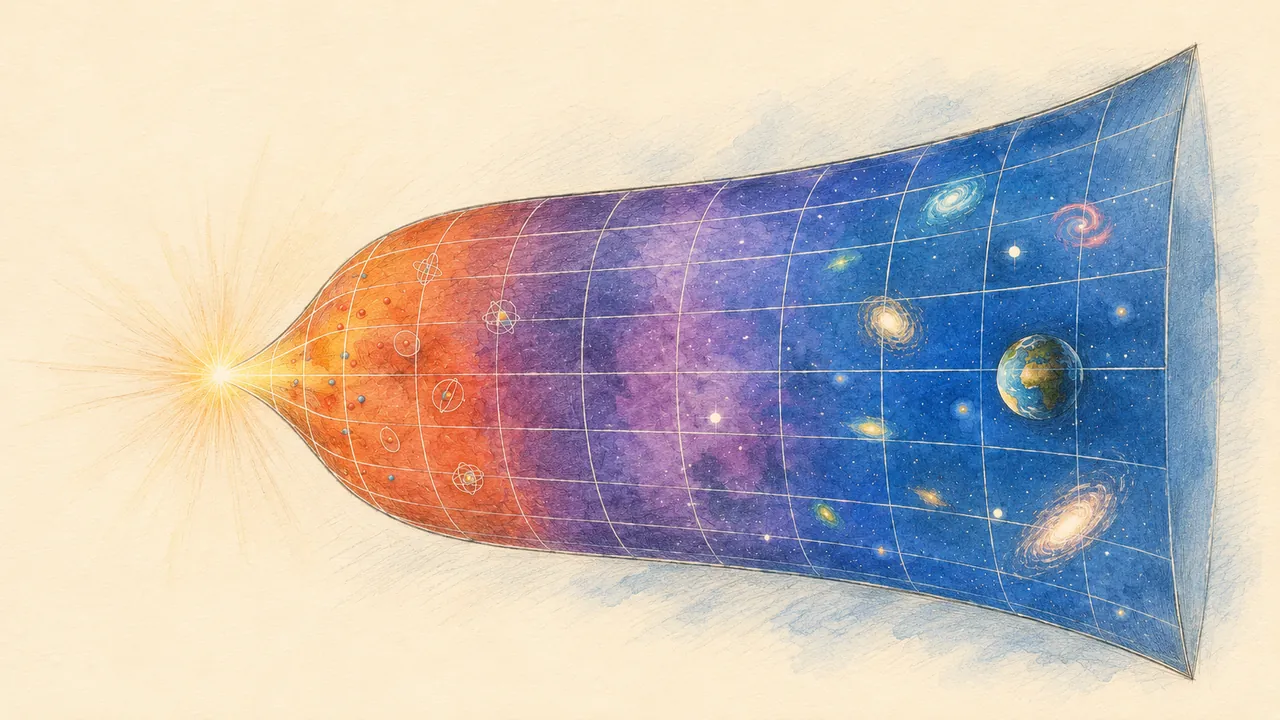
Inside an entropy-based gravity model, local entropy density falls while the total grows
A Physical Review D paper derives temperatures, pressures and a first law inside Gravity From Entropy, a proposed modified-gravity framework. In a late-time, low-curvature Friedmann approximation, the model's local entropy and energy densities fall while expansion makes total entropy rise. The calculation is internally concrete, but conditional: Friedmann cosmologies are not exact solutions of the full theory, and this is not observational evidence that gravity comes from entropy, an explanation of measured dark energy or a completed quantum-gravity theory.
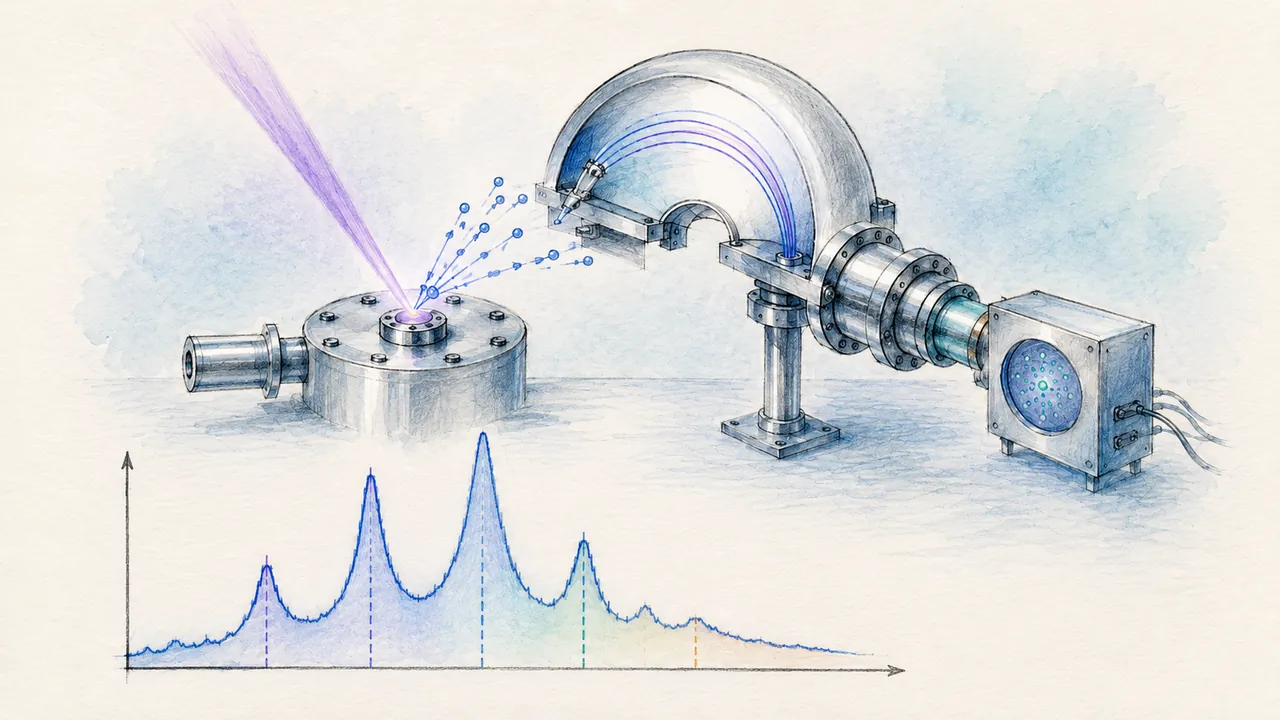
A carbon-bismuth triple bond shows where the textbook sigma-and-pi picture stops working
A Science study probes the CBi- molecular ion, a heavy-element cousin of familiar triply bonded species, with cryogenic photoelectron spectroscopy and relativistic quantum calculations. The result is direct evidence that strong spin-orbit coupling can reorganize the classical sigma and pi bonding framework into relativistic Kramers pairs labeled by total angular momentum. This does not make ordinary chemical bonding wrong; it shows why the bookkeeping changes near very heavy atoms.
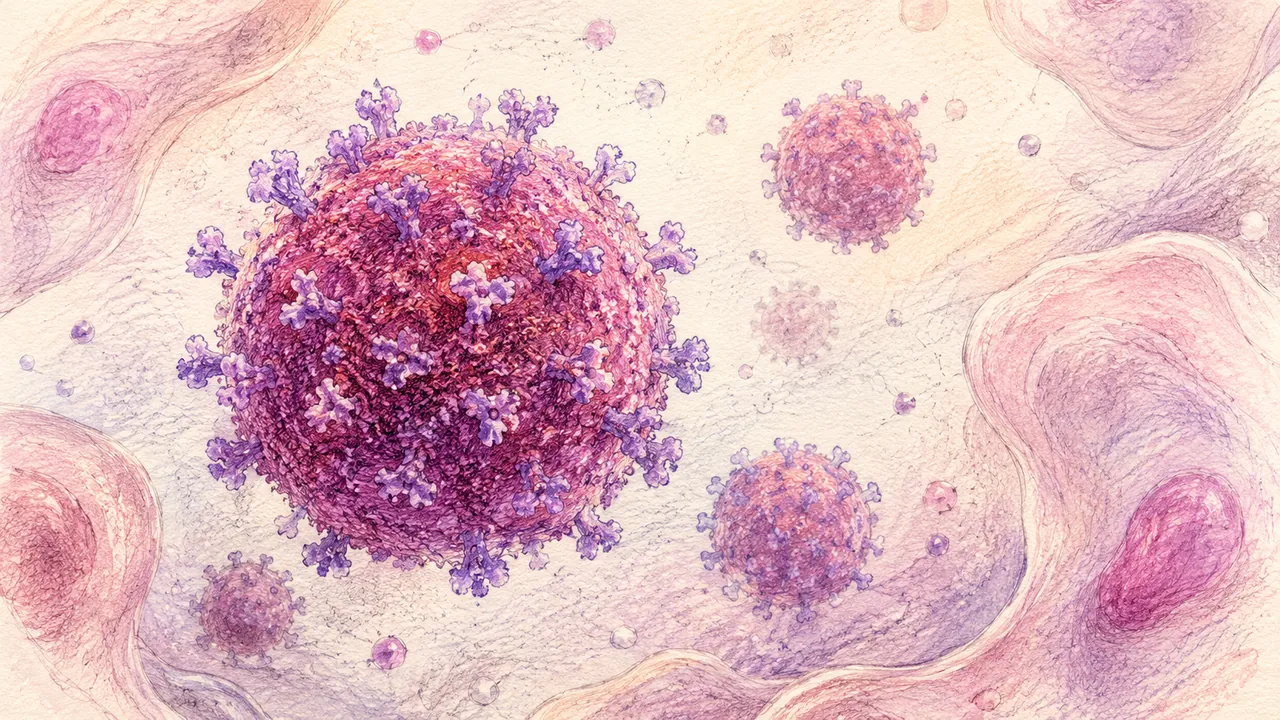
A macaque HIV model made rare broad antibodies appear faster — a vaccine clue, not a vaccine yet
A Science study engineered a SHIV model that exposed the HIV V3-glycan epitope in two steps: first by provoking antibodies to an altered V1 loop, then by selecting escape variants that opened the target for broadly neutralizing antibody precursors. In macaques, the engineered virus elicited potent V3-glycan broadly neutralizing antibodies in 14 of 22 animals within a year, compared with none of 14 given the parental virus. The result is a useful blueprint for immunogen design, not proof that an HIV vaccine works in humans.

Remote work may save the commute. It may also remove the small social contact work used to provide.
A Science study of 588,322 US workers estimates that occupations which became much more remote after the pandemic also became more solitary, with larger increases in mental distress, especially among people living alone. This is not a blanket case against remote work or a mandate to return to the office. It is a warning that flexibility has a hidden design variable: social contact.

Maybe the problem is not that screens broke your brain. Maybe they changed what effort feels worth.
A Nature Human Behaviour Perspective argues that digital media may reshape cognition less by shrinking mental capacity than by recalibrating how people value effort. Low-friction, immediately rewarding platforms can make difficult work feel less worth starting or sustaining before its delayed payoff arrives. It is a useful framework, not proof of mass cognitive decline: the authors are proposing a mechanism to test, not showing that social media makes people stupid.

Experienced developers felt faster with AI while working measurably slower — the real finding, and the verdict on AI coding it is not
A randomized controlled trial by METR had sixteen experienced open-source developers do 246 real tasks on codebases they knew well, with early-2025 AI tools (Cursor Pro plus Claude 3.5/3.7 Sonnet) allowed on a random half. They expected AI to cut task time by about 24%; instead it raised completion time by 19% — and afterwards they still believed it had sped them up by about 20%. That perception gap is the sharp, robust core of the study. But it is sixteen developers, one narrow setting, and a fixed early-2025 snapshot: the authors are explicit it does not show AI fails to help most developers, and their own 2026 follow-up already leans toward a speedup, with caveats of its own.
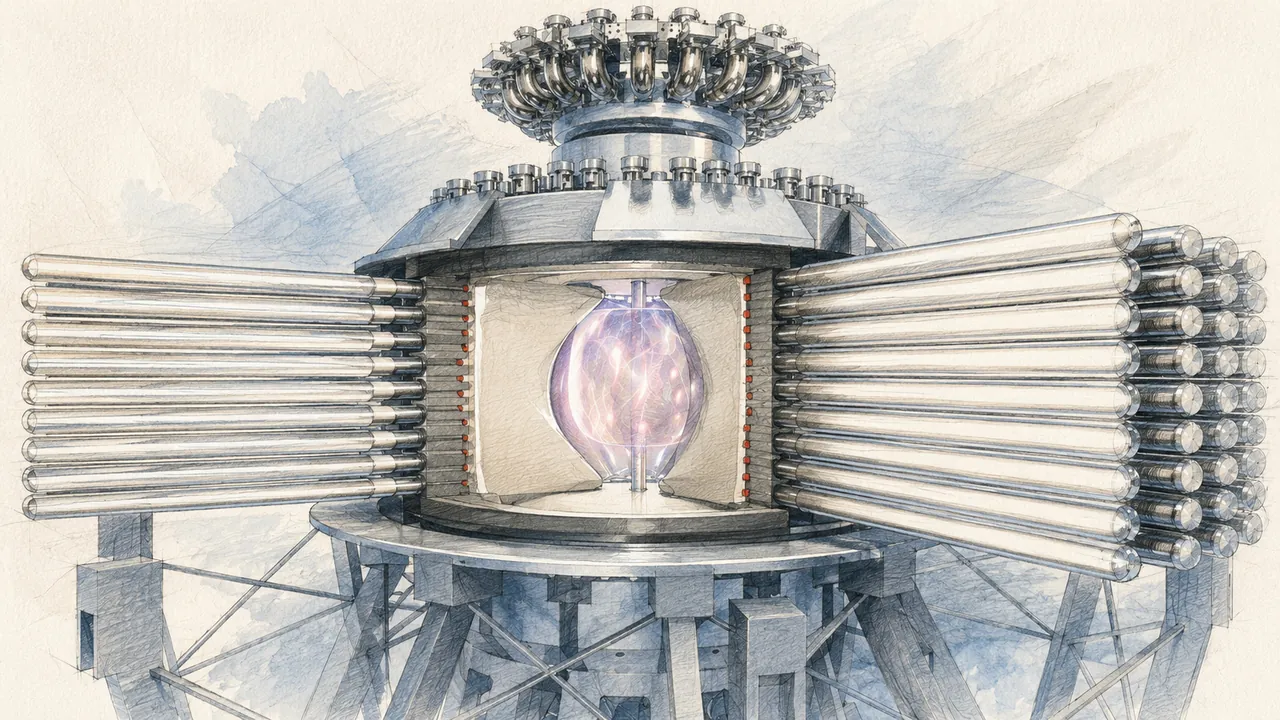
A fusion machine heated its plasma by squeezing it — the real step, and the power plant it is not
General Fusion's LM26 compressed a magnetized deuterium plasma with an imploding lithium liner and watched it heat up — more than tripling its electron temperature to a measured peak of about 0.72 keV (718 ± 80 eV, roughly 8 million °C), with most of the heating attributed to the compression itself, the mechanism its magnetized-target-fusion approach depends on. It is a real engineering checkpoint for that route to fusion. It is also the first 11 shots on one machine, described in a company preprint that has not been peer-reviewed, at a temperature still about ten times below what a burning plasma needs — with no net energy, no breakeven, and no electricity. A mechanism shown, not a power plant built.
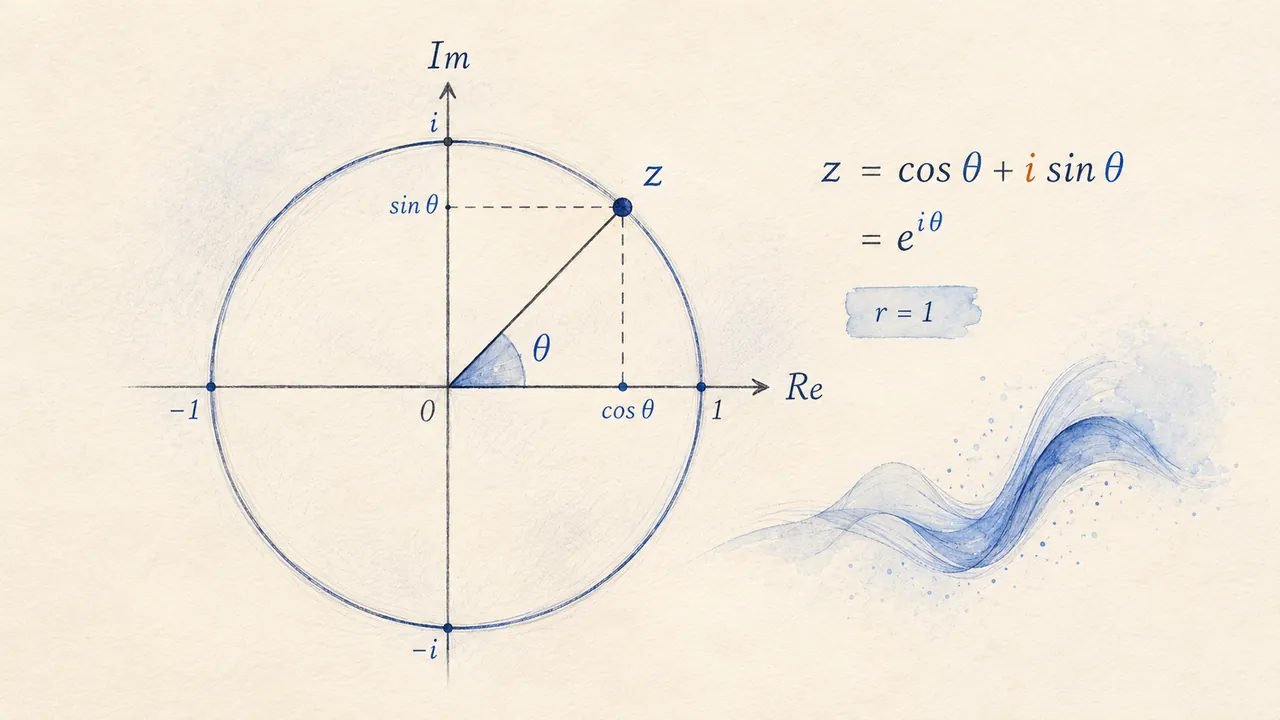
Quantum mechanics can be written with real numbers alone — the catch is in how you combine systems
In 2021 a widely reported result argued that a real-number version of quantum mechanics could be experimentally falsified, and follow-up experiments in 2022 agreed with standard complex quantum theory. That was often headlined as proof that imaginary numbers are physically real. A new paper in Physical Review Letters sharpens the claim: build the real-number formulation on a different, arguably more physical assumption about how separate systems combine, and it reproduces every prediction of complex quantum mechanics, including the multipartite tests. The honest reading is that complex numbers are convenient rather than strictly necessary — and that the earlier experiments ruled out one particular real theory, not real numbers in principle. It is a foundations result on paper, not a new measurement, and it does not ask anyone to stop using complex numbers.
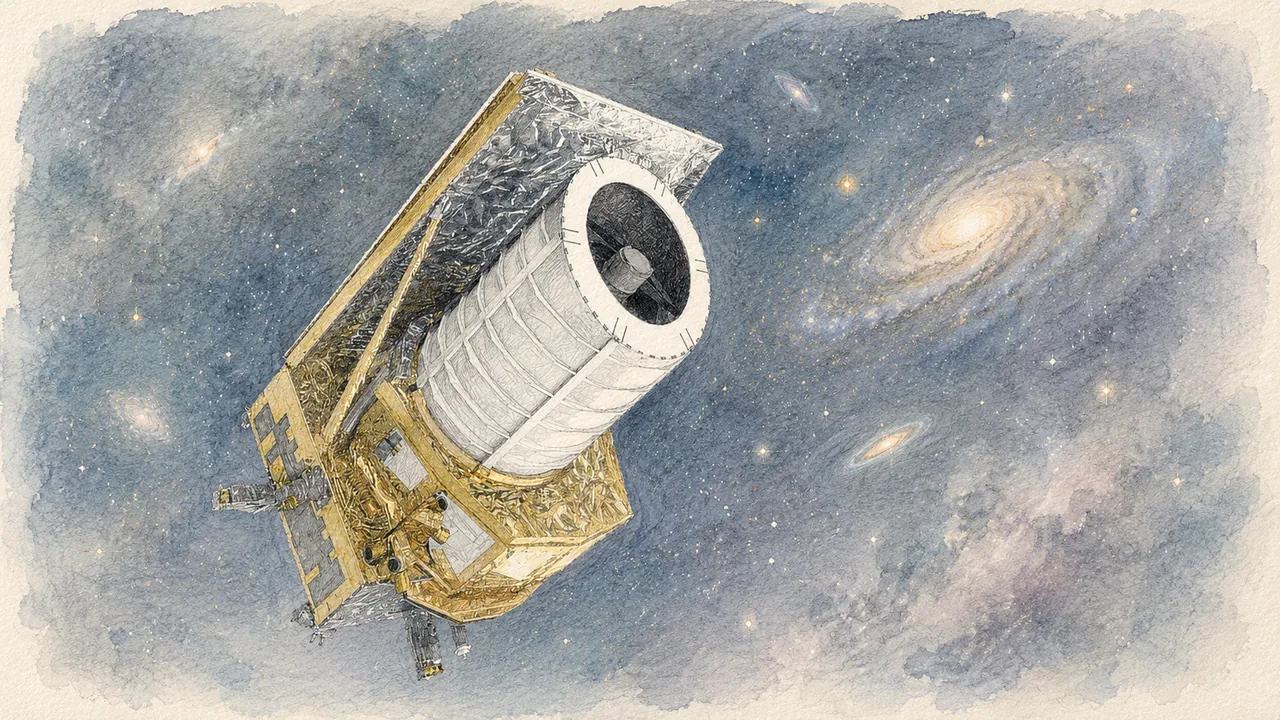
Euclid more than doubles the small sample of quasars from beyond redshift 7
In the first year and a half of the Euclid Wide Survey, a search over roughly 3000 square degrees turned up 31 new quasars between redshift 6.6 and 7.8. Twelve of them lie at redshift 7 or higher, more than doubling the handful known there before Euclid, and one at redshift 7.77 is now the most distant quasar on record. The real advance is not that single record, which only nudges a frontier that had sat near redshift 7.5 for years: it is the survey's power to find these rare, mostly faint objects in bulk, which is what makes them useful as probes of the young Universe. This is an initial result, with the full statistical analysis and much of the spectroscopic confirmation still to come.
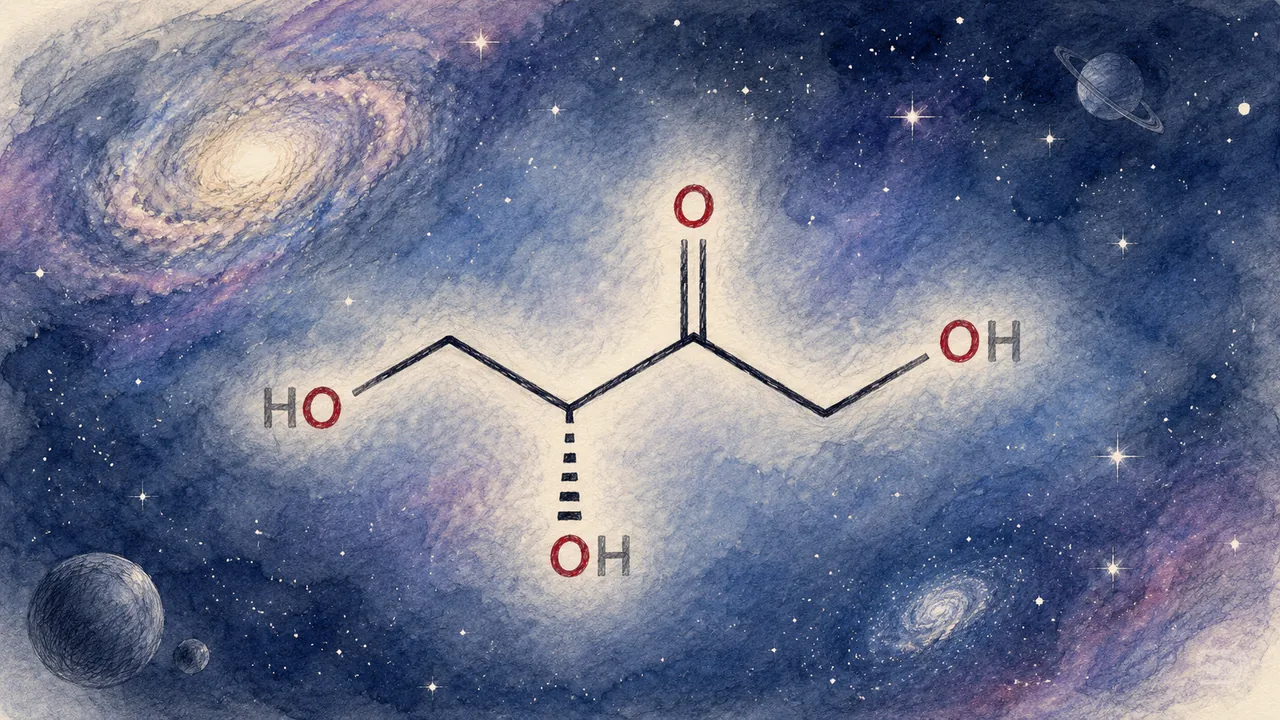
The first sugar found between the stars is chemistry, not life
Astronomers report the first detection of a true sugar molecule in the interstellar medium: erythrulose, a chiral four-carbon ketose, seen in radio spectra from the Galactic Centre cloud G+0.693−0.027. The detection is technically strong — multiple spectral lines, abundance fitting, and a plausible grain-ice formation route from smaller molecules. It matters because it moves one class of prebiotic chemistry off Earth and into space. But it is not ribose, not RNA, not life, and not proof that early Earth was seeded with enough sugar to start biology.
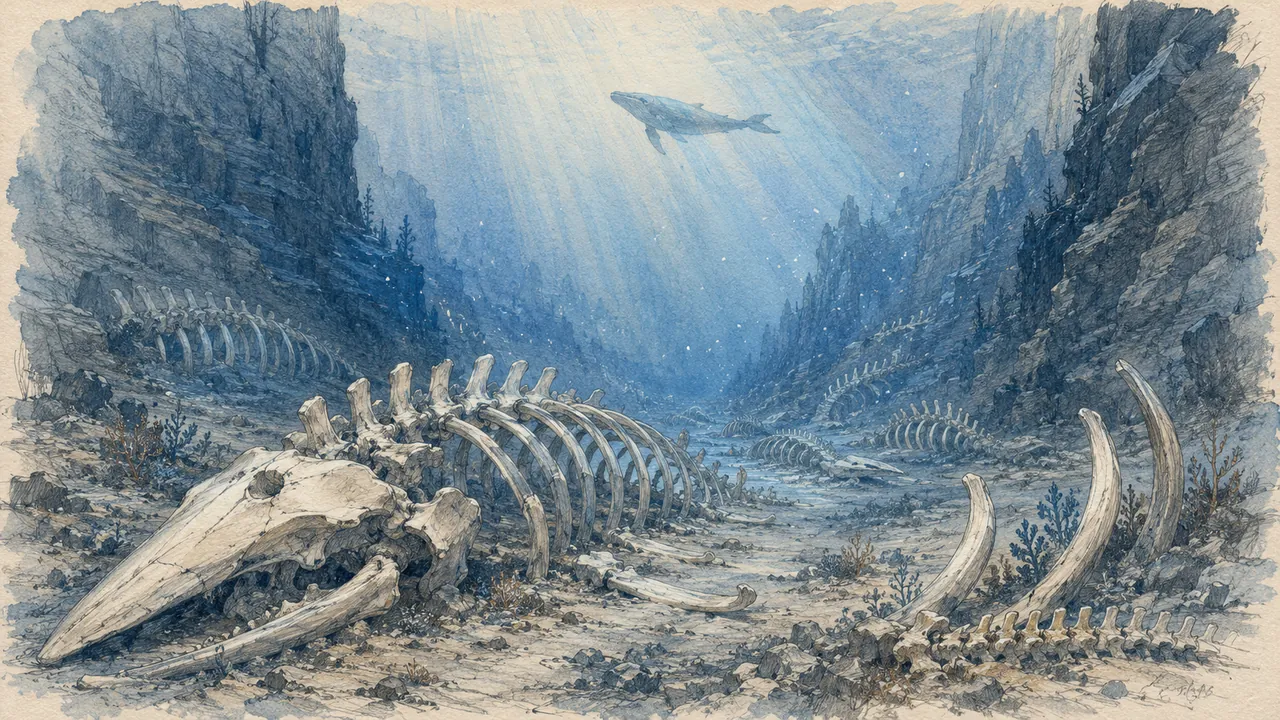
A deep-sea whale graveyard is really a five-million-year archive
A Nature paper reports a vast concentration of whale falls and fossils in the Diamantina Zone of the southeastern Indian Ocean: five modern whale-fall communities, hundreds of fossil cetacean remains, and strontium-isotope ages reaching back about 5.3 million years. The striking part is not that whales chose a place to die, or that one catastrophe made a graveyard. The evidence points to a deep, long-lived archive built by ordinary whale deaths, sinking carcasses, difficult beaked-whale foraging, seafloor topography and unusually good preservation. It opens a rare window into deep-sea whale-fall ecosystems; it does not mean the deep sea is now mapped or understood.
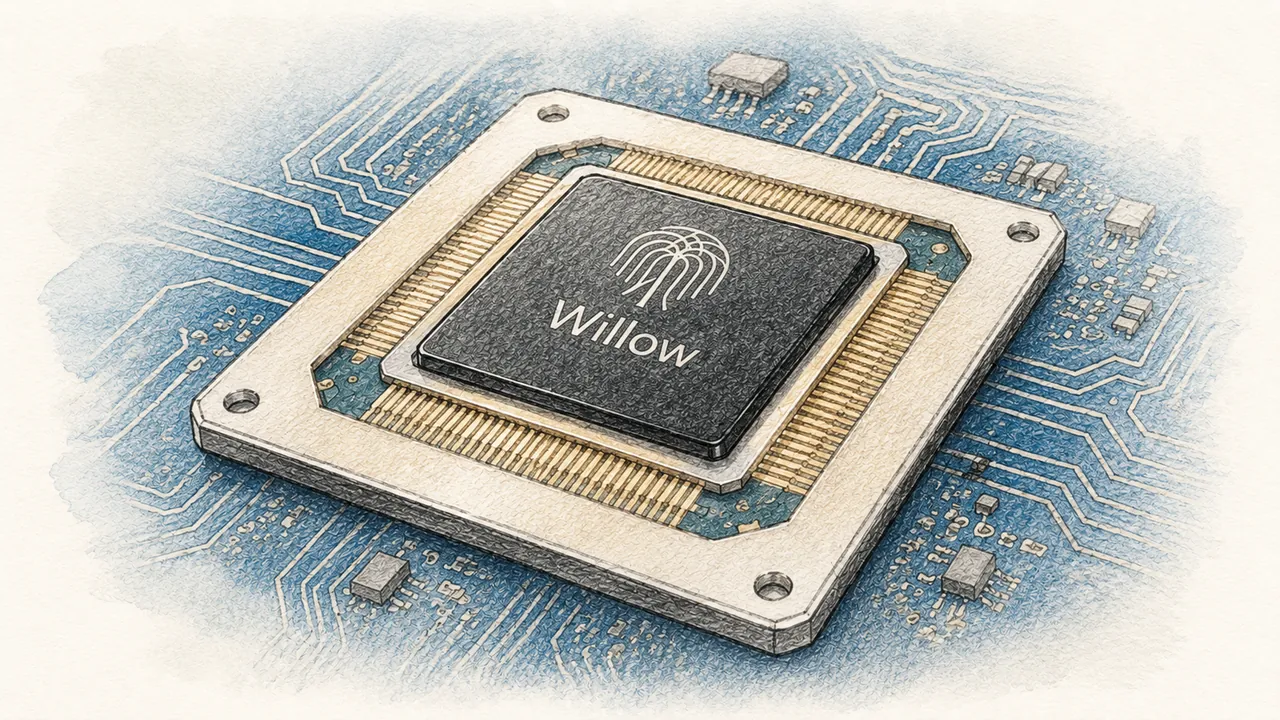
A quantum memory finally got better as it grew — the real milestone, and the machine it is not
Google Quantum AI showed, cleanly for the first time, that a surface-code quantum memory can run below threshold: as they grew the code from distance 3 to 5 to 7, the logical error rate fell exponentially (about 2.14x per two steps), and the largest, a 101-qubit distance-7 memory, outlived its best physical qubit — beyond breakeven — with error correction running in real time. It is a long-sought engineering milestone. It is also a single logical qubit acting as a memory, at an error rate still far from what real algorithms need, with no logical operations performed, an unexplained error floor the authors flag, and orders of magnitude of scaling ahead. A threshold crossed, not a computer delivered.

A chatbot appeared to reduce conspiracy beliefs for months
A 2024 study found that a three-round conversation with GPT-4 Turbo cut people's belief in a conspiracy theory they held by about 20%, an effect that lasted two months, generalized across conspiracy types, and rested on AI claims rated overwhelmingly accurate. In June 2026 the paper was placed under an Editorial Expression of Concern for data-handling and reproducibility problems; the authors say a corrected analysis preserves the finding in direction, significance, and size, and Science is still evaluating. A genuinely interesting, carefully built result — currently under review, neither settled nor debunked.

K2-18 b: the distance between a hint and a headline
In April 2025, JWST observations of the sub-Neptune K2-18 b were reported as the strongest signs of life yet found beyond the solar system. The paper itself was far more careful: a roughly 3σ hint — below the threshold for even a firm detection — that one of two similar sulfur molecules, possible biosignatures, is present, on a planet whose habitable-ocean nature is itself uncertain. The authors flag non-biological sources and call for more data; independent teams have since found the evidence weaker. A real measurement, not the discovery of life.
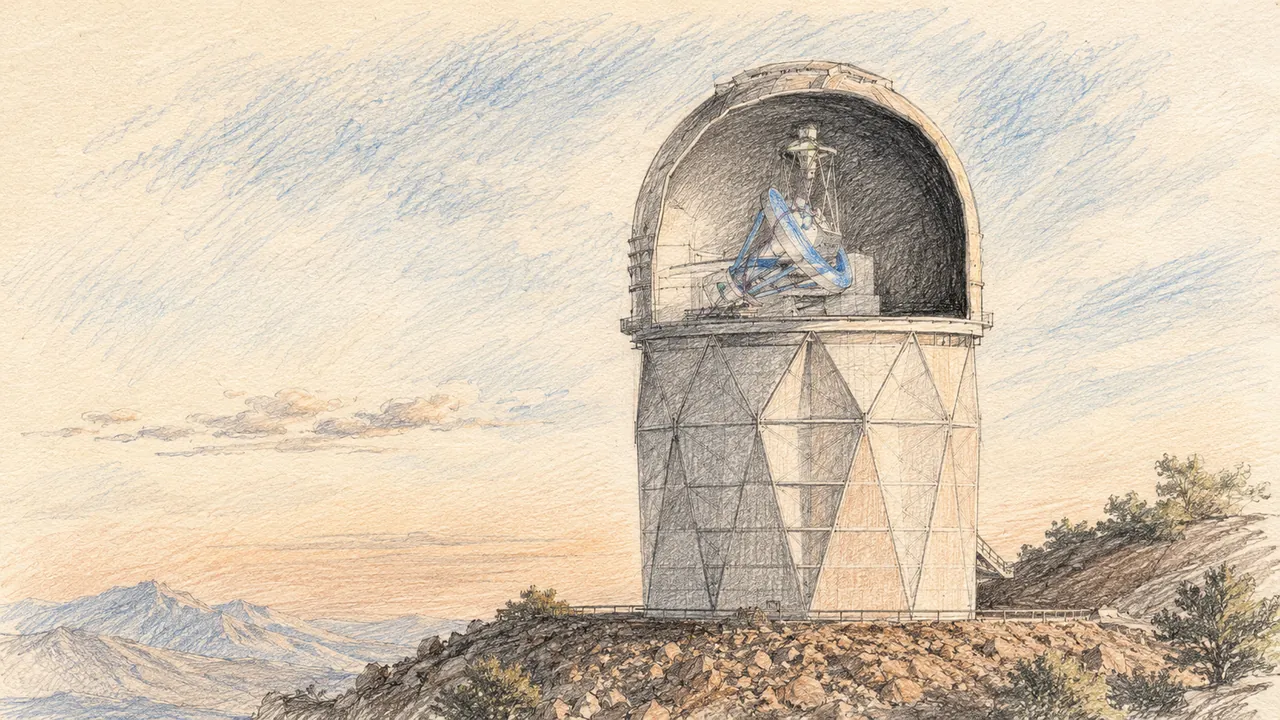
DESI's sharpest cosmic ruler, and a careful maybe about dark energy
DESI measured the universe's expansion history with the most precise baryon-acoustic ruler yet built, from six million objects. On its own, that ruler agrees with the standard model in which dark energy is a constant. Only when DESI is combined with the cosmic microwave background and a supernova sample does a preference for evolving dark energy appear — at 2.6σ to 3.9σ depending on which supernovae are added, below the threshold physicists require for a discovery and sensitive to the data it is paired with. A real question made precise, not an answer.
Two tori can share the same local geometry and still be different shapes
A construction in Publications mathematiques de l'IHES gives the first compact Bonnet pairs: two smooth, real-analytic tori in three-dimensional space that have the same intrinsic metric and the same mean curvature at corresponding points, yet are not the same surface up to a rigid motion. The result closes old uniqueness questions in surface geometry, and it is a precise counterexample to a tempting idea: that enough local measurements must identify a compact shape.

Young children are not simply selfish first: their quick choices were more prosocial than their slow ones
In a study of 537 Italian-speaking children aged 3 to 10, researchers asked children to make social choices under time pressure or after a delay. The youngest children's fast answers were more cooperative, honest and willing to accept low offers than their slow answers. As children grew older, that intuitive prosociality did not disappear - instead, deliberative prosociality rose to meet it. The careful reading: this is not proof that children are naturally good everywhere. It is evidence, in one Northern Italian sample and a set of lab games, that early prosocial impulses can be stable while reflective prosocial reasoning catches up.
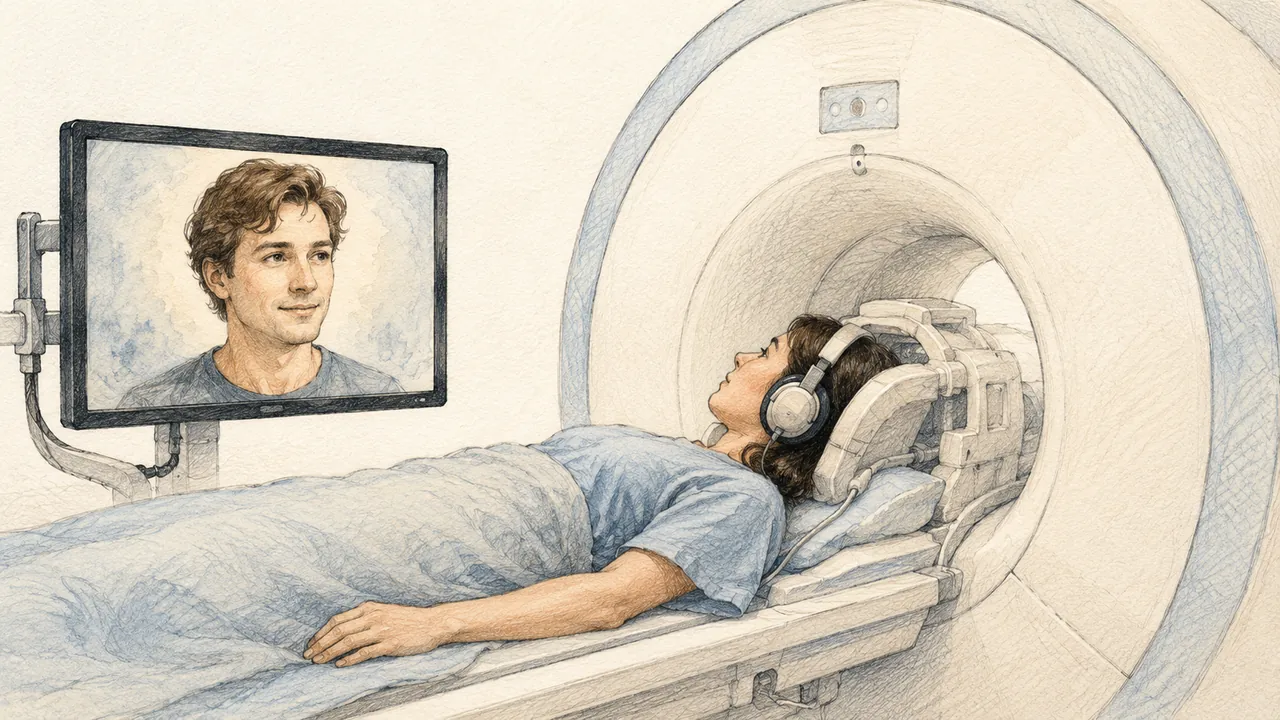
What you look at may match how your visual brain is tuned
A Nature Human Behaviour study links stable individual gaze habits - whether people tend to look first and longest at faces or at text in complex scenes - to the distinctiveness and size of matching category-selective regions in the visual cortex. The result is not a claim that people literally see different worlds, or that the brain causes the gaze pattern. It is a careful correlation: in adults, active looking and the brain's category maps appear matched to each other.
A cryptographic proof can hide its secret by making the missing simulator hard to prove
Zero-knowledge proofs let someone prove a statement without revealing the witness. Classical theory says you cannot have that, in the full sense, with one message, no trusted setup and perfect soundness. Rahul Ilango's paper does not make that impossibility vanish. It changes the target: instead of requiring that a simulator really exists, it asks that no chosen proof system can efficiently prove that the simulator does not exist. Under major proof-complexity and cryptographic assumptions, that is enough to recover falsifiable, game-based consequences of zero-knowledge property by property. The point is not a plug-in internet primitive. It is a proof-theoretic way to turn mathematical unprovability into cryptographic cover.
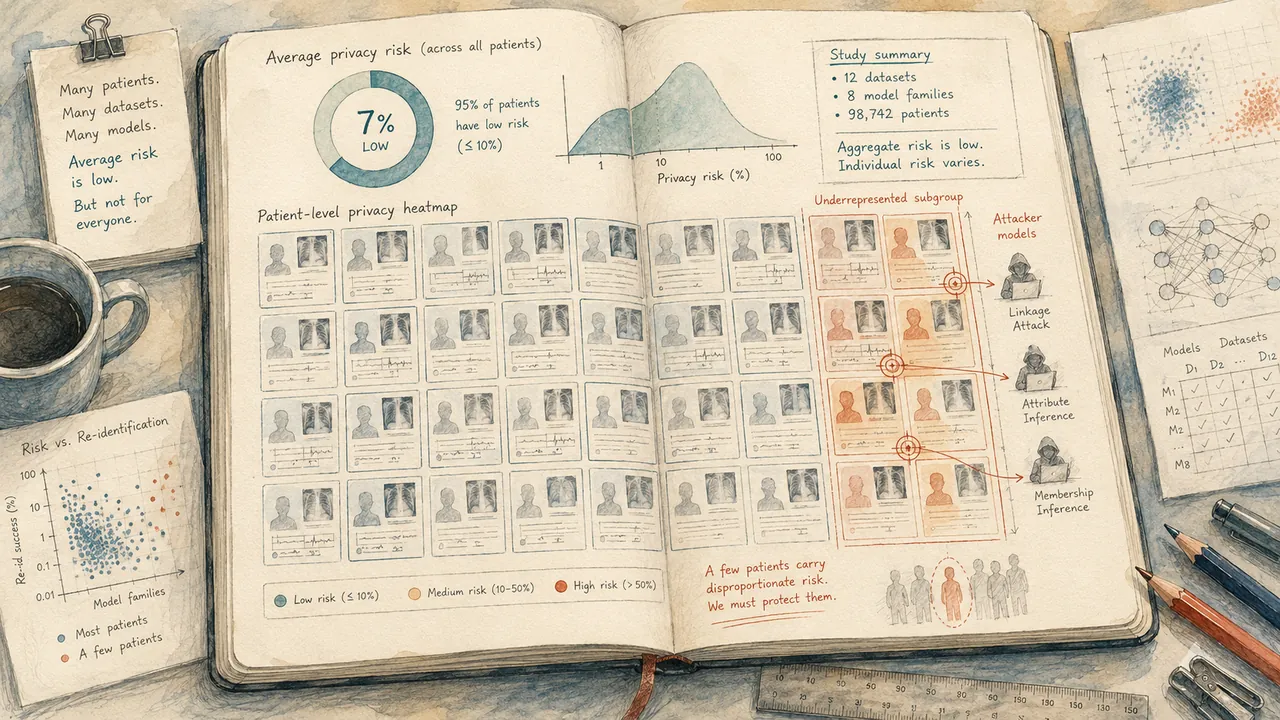
A medical AI can be private on average and still expose particular patients — the underrepresented most of all
A medical-AI model called 'privacy-preserving' usually rests on one average number. This study argues that number is the wrong test. Studying membership inference attacks — which reveal whether a specific person's record was in a model's training data, and so can betray that they had a given disease — the authors measured risk per patient rather than in aggregate, across seven medical datasets (imaging, ECG, electronic records) and many models each. The pattern: models that look safe on average can still let an attacker identify specific individuals almost perfectly (attack AUC ≥ 0.95); the exposed are systematically those from underrepresented groups (minority ethnicity, rare disease, unusual imaging); and it gets worse as models grow. The authors do not say abandon medical AI — they say measure privacy per patient, control model access, and use differential privacy. The uncomfortable core: 'private on average' is not a privacy guarantee, and it fails the patients already least protected.
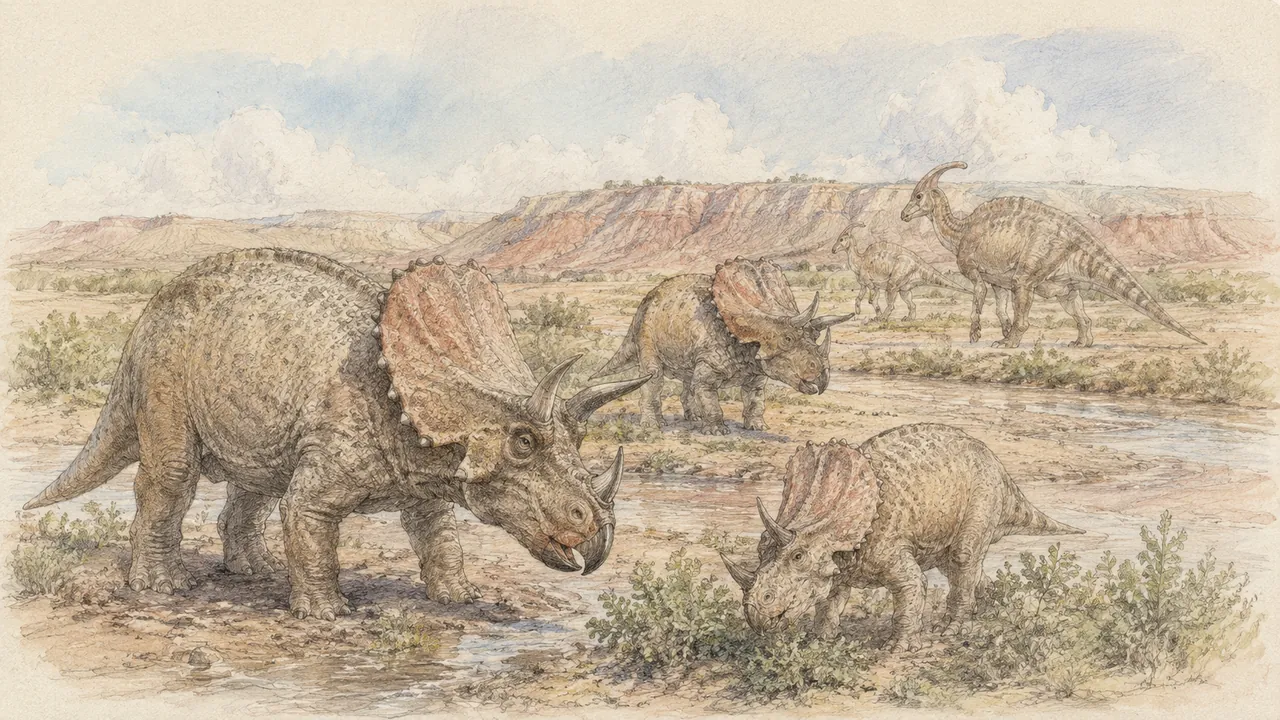
A New Mexico fossil record complicates the dinosaurs' last chapter
A Science study redates the Naashoibito Member in New Mexico to the final few hundred thousand years before the asteroid impact. That matters because most of the best end-Cretaceous dinosaur evidence comes from farther north. The new southern record suggests western North America still had regionally distinct dinosaur faunas near the end, rather than one uniform, fading community. It does not prove every dinosaur ecosystem worldwide was flourishing until impact; it shows why a regional fossil record can make a global story too smooth.
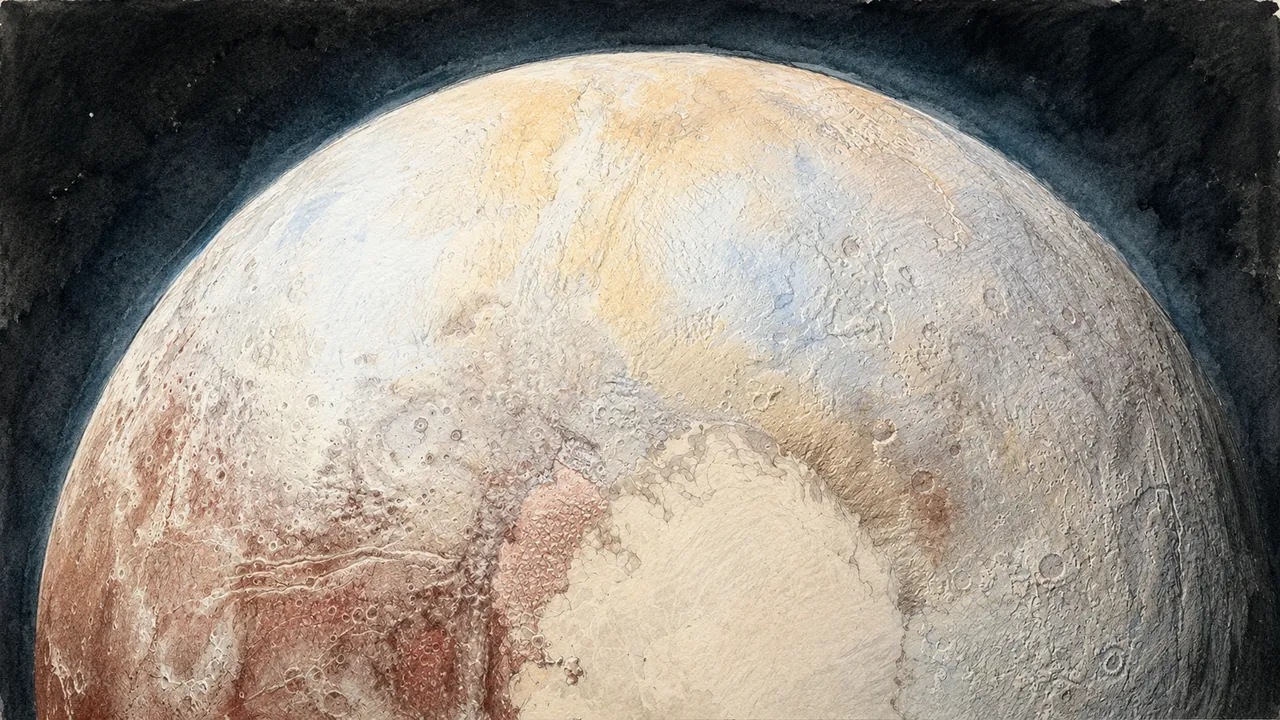
JWST saw the same unidentified fingerprint on Titan and Pluto
JWST spectra show a real absorption feature near 5.11 micrometers on the surfaces of Titan and Pluto. The signal appears in independent instruments, behaves like a surface feature rather than atmospheric haze, and does not match published laboratory spectra of the expected ices. That makes it an unsolved identification problem, not evidence for an exotic substance: the likely answer is an ordinary frozen organic compound whose laboratory fingerprint has not yet been measured under the right conditions.
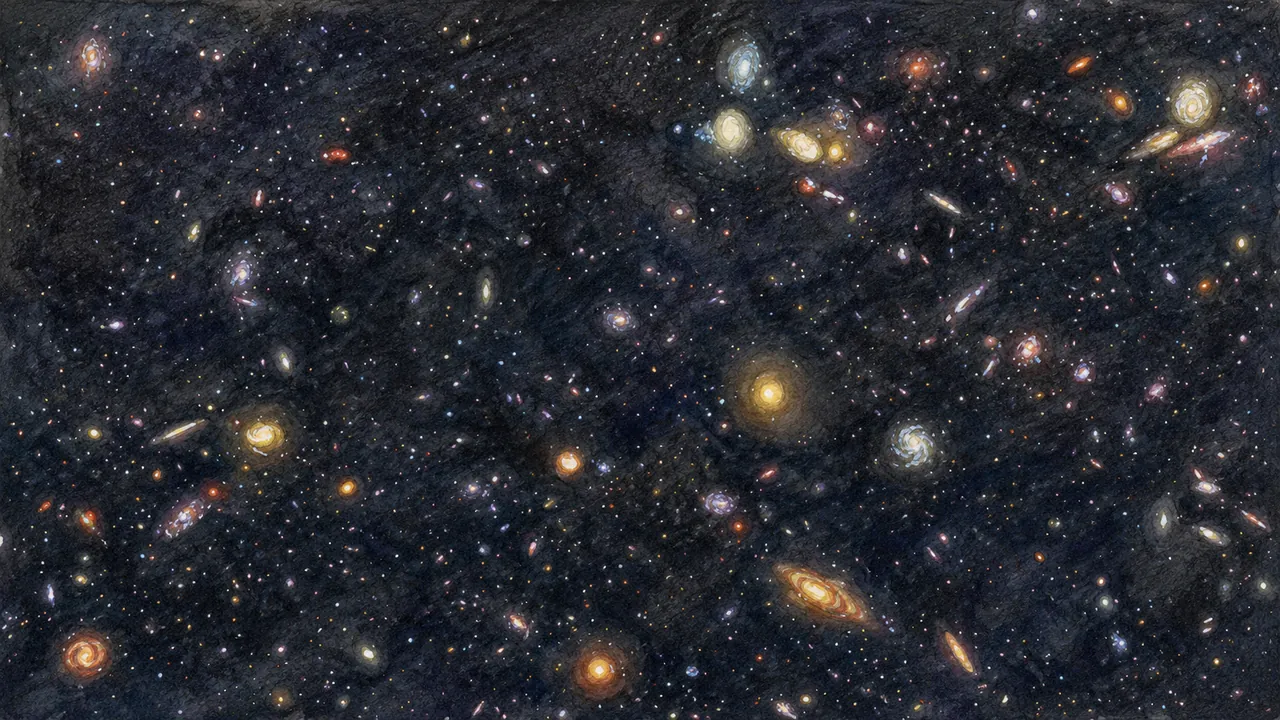
The furthest galaxy yet caught leaking its ionizing light
Astronomers used the JWST and Hubble to catch the escaping ionizing ultraviolet of a single galaxy about 250 million years after cosmic reionization — the most distant such 'leak' seen directly. The headline escape fraction of 50-100% is real but reconstructed through models, not measured; the quieter result is a first high-redshift test of how to spot the leak once it can no longer be seen.
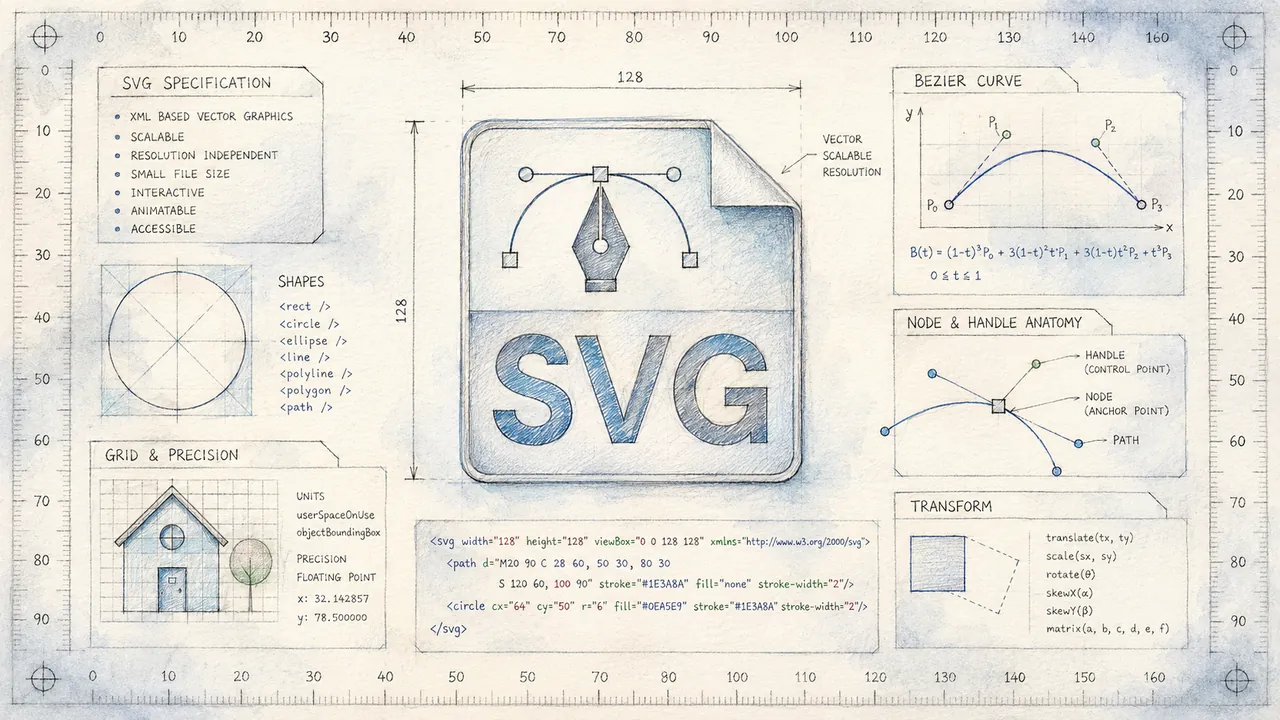
Teaching a drawing AI to look at the page
Language models that generate vector graphics do it blind — writing out the drawing commands without ever seeing the result. A new method lets the model watch its own canvas fill in, stroke by stroke, and the honest twist is that simply giving it eyes makes things worse: it has to be retrained to use them. The payoff is a model that matches or edges out rivals trained on up to twenty times more data — a real, careful result on one benchmark, not a revolution.
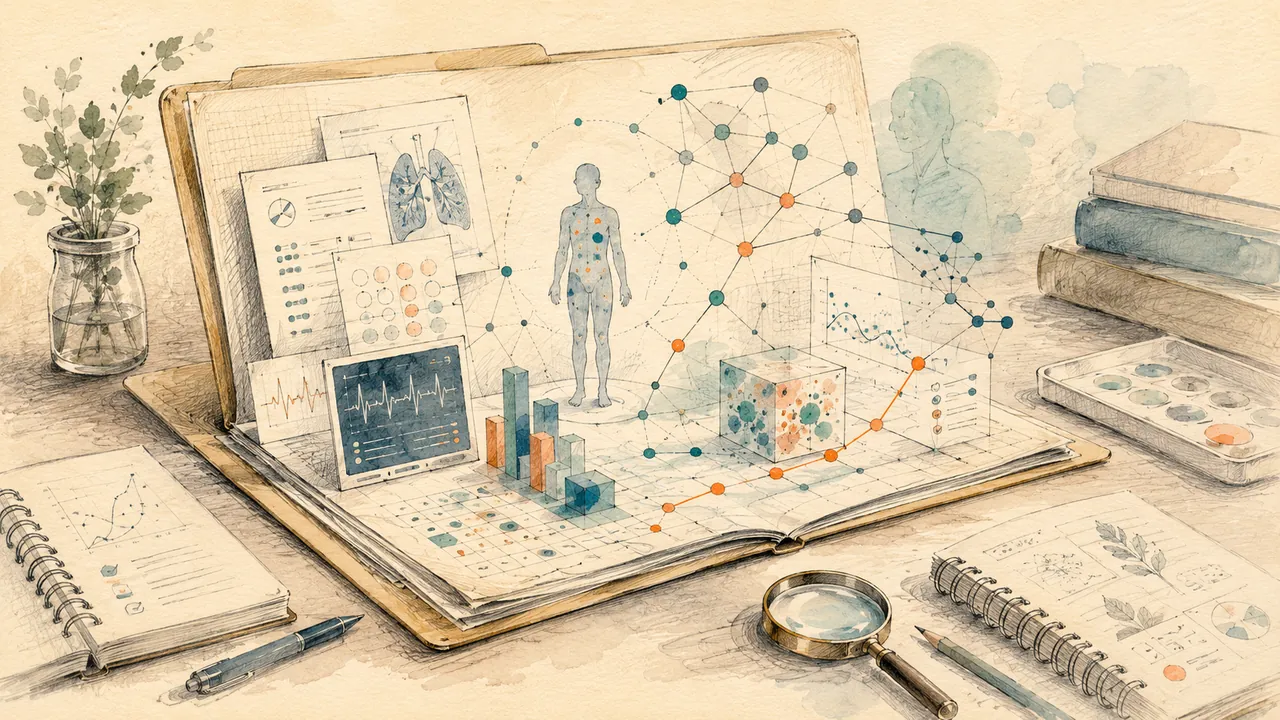
An AI agent worked entire patient cases on its own — in a simulator, on past records
MIRA is a new kind of medical AI: instead of answering a single question, it works an entire case inside a simulated hospital record — taking a history, ordering and reading tests, reaching a diagnosis, writing the orders. On 574 retrospective cases from a public database, across eight pre-selected diagnoses, the authors report it outperformed physicians on diagnostic accuracy and made largely guideline-concordant, medication-safe decisions. Every qualifier in that sentence carries weight: it ran in a sandbox on past records, in text only; much of its edge came on the conditions with clear-cut test results; it ordered about twice as many blood tests as the doctors; and several outcomes were scored against what the original chart recorded. The genuine advance is an agent that acts across the whole workflow — not proof that a machine now diagnoses better than a doctor. The authors say so: generalization, safety and governance still need prospective, real-world studies.
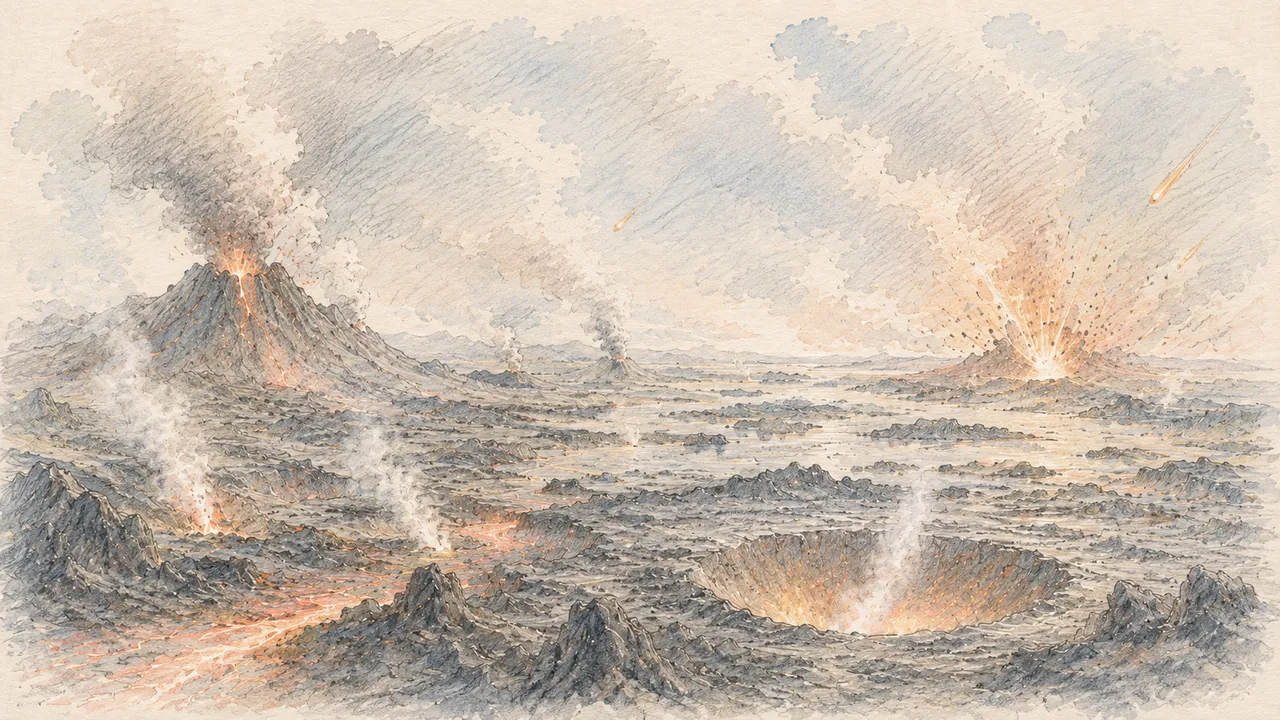
A thin, half-molten first crust: a model where impacts, not internal heat, ran the Hadean
Earth's first eon, the Hadean, left almost no rock record. This modelling study asks what the crust would have been like once you stop ignoring impacts. Using a stochastic, declining impact-flux model and benchmarked simulations of crust and mantle heat flow, the authors find that impact heat would have exceeded Earth's entire internal heat by at least an order of magnitude for most of the Hadean, leaving a thin crust (under ~5 km) partially molten just a few kilometres down — too weak, they argue, for plate tectonics, and prone to recycling itself back into the mantle, which would explain why so little Hadean material survives. As impacts waned after ~3.9 Ga (about 3.9 billion years ago), lasting continental crust could form, right when the oldest surviving felsic rocks appear — 'likely not a coincidence,' in the authors' careful words. Because they deliberately used conservative, lower-bound heating, the qualitative result is robust even though the exact numbers are not fixed. It is a strong, coherent model of Earth's infancy — not a direct observation of it.

A clinical AI that looked safe and improved the paperwork — but did not improve patient outcomes
A pragmatic, cluster-randomized trial in 16 Kenyan primary care facilities tested a generative-AI decision-support tool added to the record used by clinical officers. Among 9,691 patients, the strict 14-day expert-adjudicated composite of treatment failure was 2.2% with the tool versus 2.0% without (adjusted odds ratio 0.77, 95% CI 0.55-1.08, P = 0.13) — no significant difference. The tool showed no safety signal, improved documentation across all rated domains, left prescribing and satisfaction unchanged, and trended toward lower antibiotic costs. That is not a failed study; it is a rare, honest one — measured on patients, not on benchmarks — and it lands on the unglamorous truth that a tool which looked safe and helped the process did not demonstrably help patients in two weeks, and that detecting any such benefit would take a far larger trial.
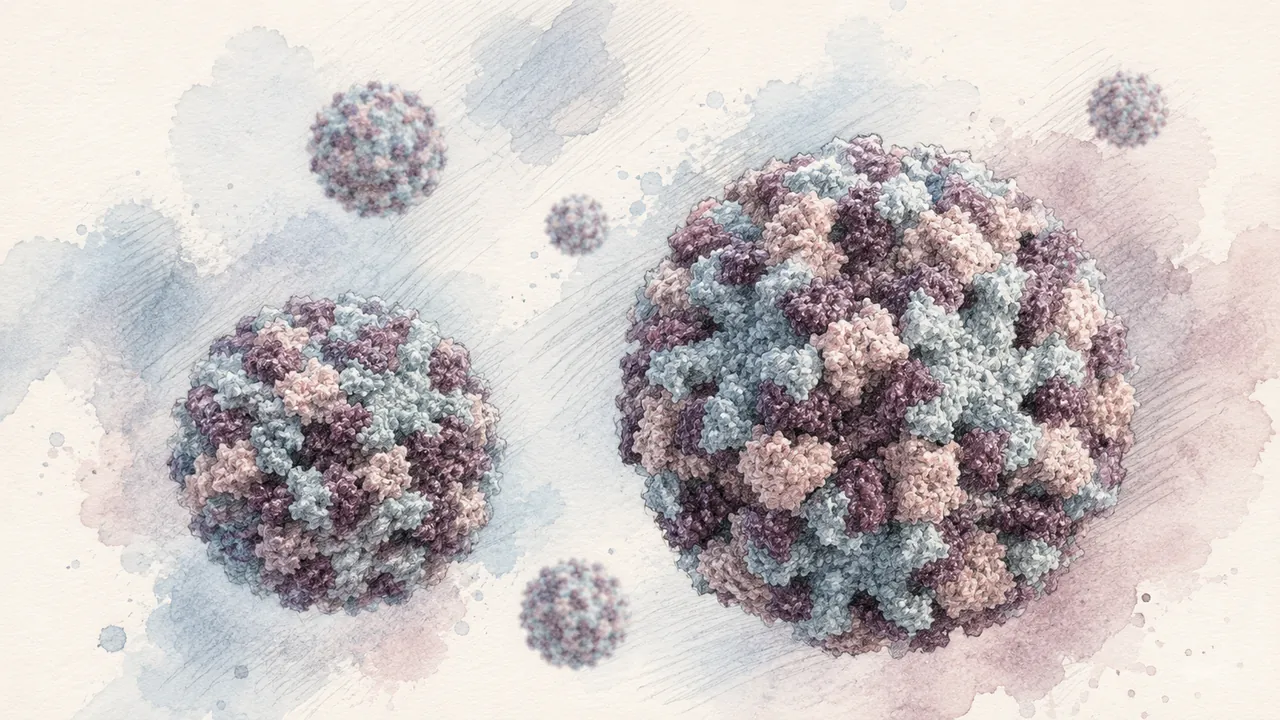
An oral norovirus vaccine reduced infection in a challenge trial — but missed its clinical endpoint
A phase 2b human-challenge study tested an oral tablet vaccine against GI.1 norovirus. Vaccinated adults were less likely to have qPCR-detectable infection after challenge, showed mucosal immune responses, and shed less viral RNA at some time points. But the prespecified clinical gastroenteritis endpoint was not met, the trial used a controlled high-dose challenge in healthy adults, and it did not measure real-world transmission or protection against the currently dominant GII.4 genotypes. This is a promising step toward a norovirus vaccine, not proof that one has arrived.

Mining clears more than the mine — the hidden forest loss around extraction
A Nature study of 16,627 mine clusters in sub-Saharan Africa finds that mining in dense forests caused about 187,000 hectares of direct deforestation from 2001 to 2020, but the larger story is offsite. Compared with unmined areas, deforestation was 8 points higher on a 0-to-100 scale within 1 km of a mine after ten years, and effects persisted out to 20 km. On average, each hectare cleared directly by a mine was associated with 33.9 additional hectares of offsite forest loss within five years. That does not mean the energy transition is bad. It means mineral supply chains have geography, and their forest costs are often larger than the pit.

Zebra finches treat calls as meaningful categories — but that is not the same as language
A Science study tested whether zebra finches merely hear different calls or whether they organize their own vocal repertoire into categories that carry behavioral meaning. In laboratory discrimination tasks, the birds learned all 11 call-types, generalized categories to new vocalizers, and made systematic errors among calls used in similar contexts more often than acoustic similarity alone would predict. That is strong evidence for categorical perception and an operational kind of meaning. It is not evidence that finches have human-like language, syntax, open-ended words, or a channel for conversation with people.
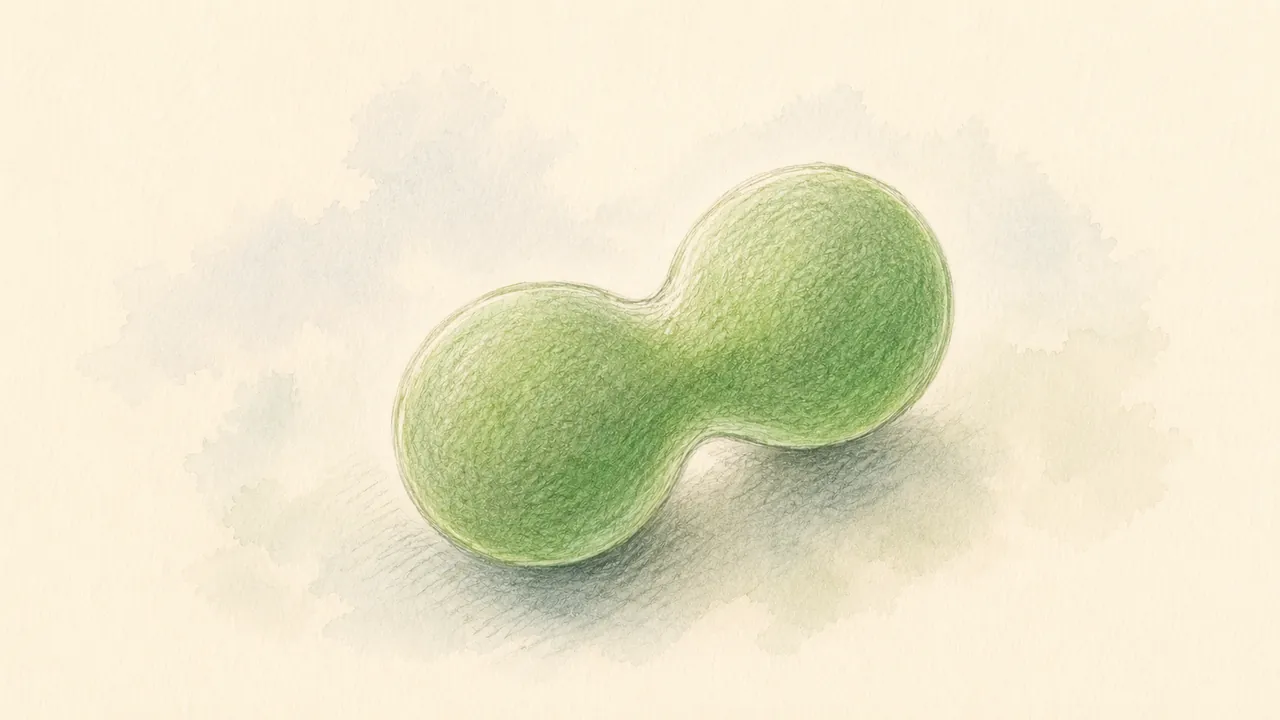
A synthetic cell that feeds, grows and divides — a serious step, but not life built from scratch
A University of Minnesota team reports a fatty droplet carrying a ~90,000-base genome that feeds, copies its DNA, grows and divides across five generations, with an introduced beneficial mutation spreading by selection. It is a genuine advance in building cells from defined, purified parts. But it has not been peer-reviewed; it cannot make its own protein machinery or run its own metabolism; its parts are purified biological molecules, not simple chemicals assembled from scratch; and — in the authors' own words — the selection is not spontaneous Darwinian evolution. The clean version is not 'the first living cell built from non-living matter.'
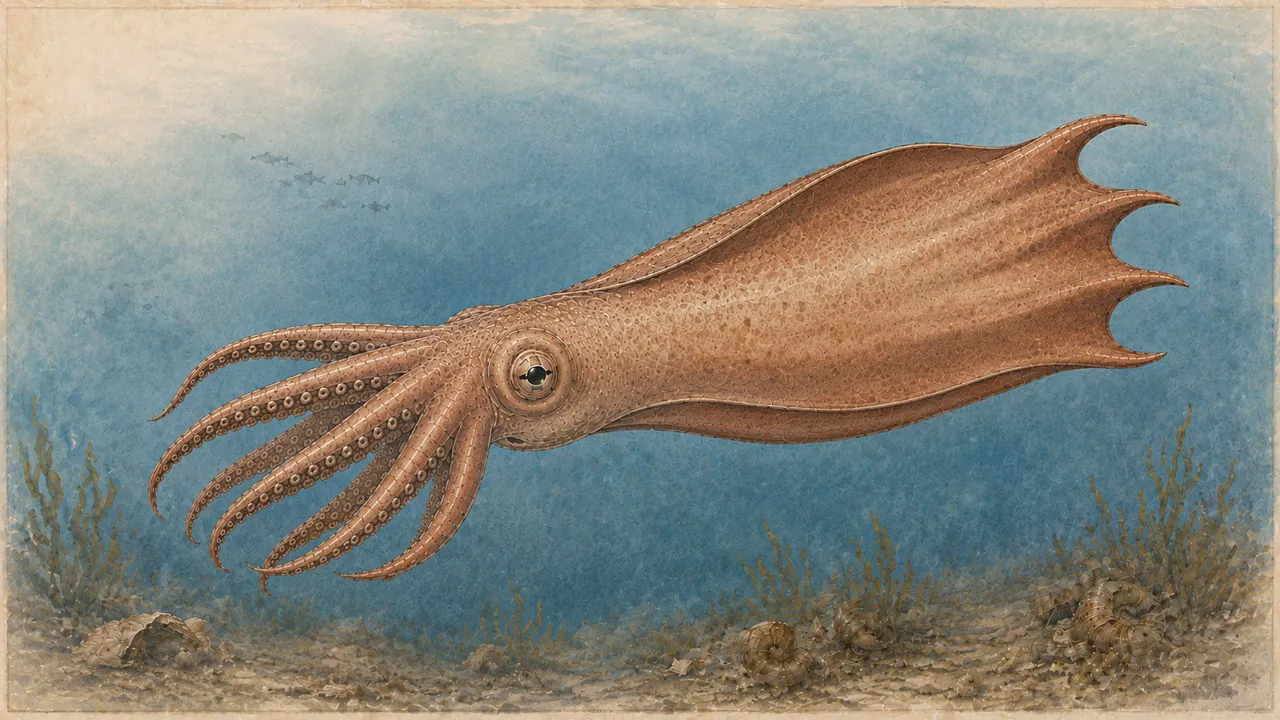
Giant Cretaceous octopuses may have been top predators — but the evidence starts with jaws, not sea monsters
A Science paper reexamines huge Cretaceous cephalopod jaws and argues that two Nanaimoteuthis species were early finned octopuses, with body-size estimates reaching several meters and possibly up to 18.6 m. Heavy jaw wear suggests hard-prey crushing; asymmetric wear may hint at lateralized behavior. It is a spectacular fossil story, but the clean version is not 'the kraken was real': it is a reconstruction from jaws, wear patterns, taxonomy, and scaling.
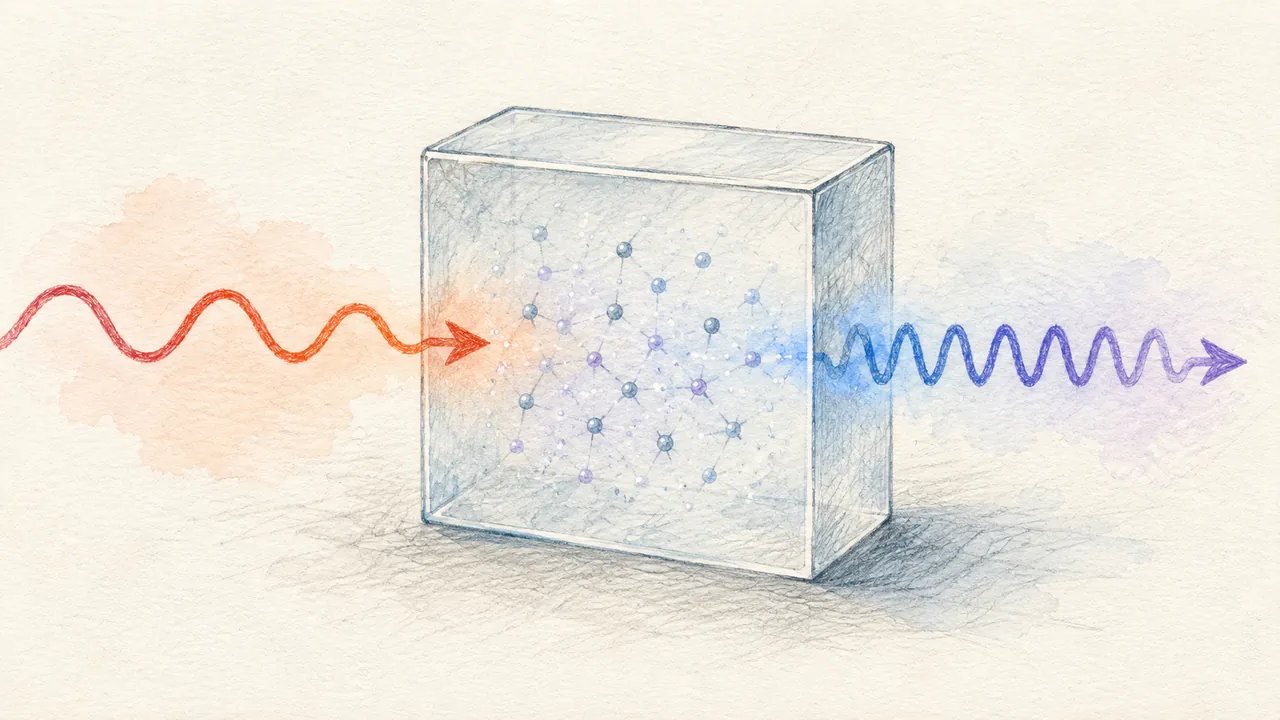
A solid material turns visible blue light into UV at sunlight-level intensity — but it is not a solar-energy machine
Researchers engineered DHI-based organic crystals whose alkyl side chains protect the π-electron system without stopping triplet energy from moving. The best iBu-DHI/Ir(ppy)₃ solid film produced visible-to-UV triplet-annihilation upconversion with 1.9% absolute quantum yield and a 1.2 mW cm⁻² threshold near the solar intensity around 445 nm. That is a real materials advance for solid-state photon upconversion. It is not a working solar device, not 'free UV,' and not proof that visible sunlight can yet drive useful UV chemistry at scale.
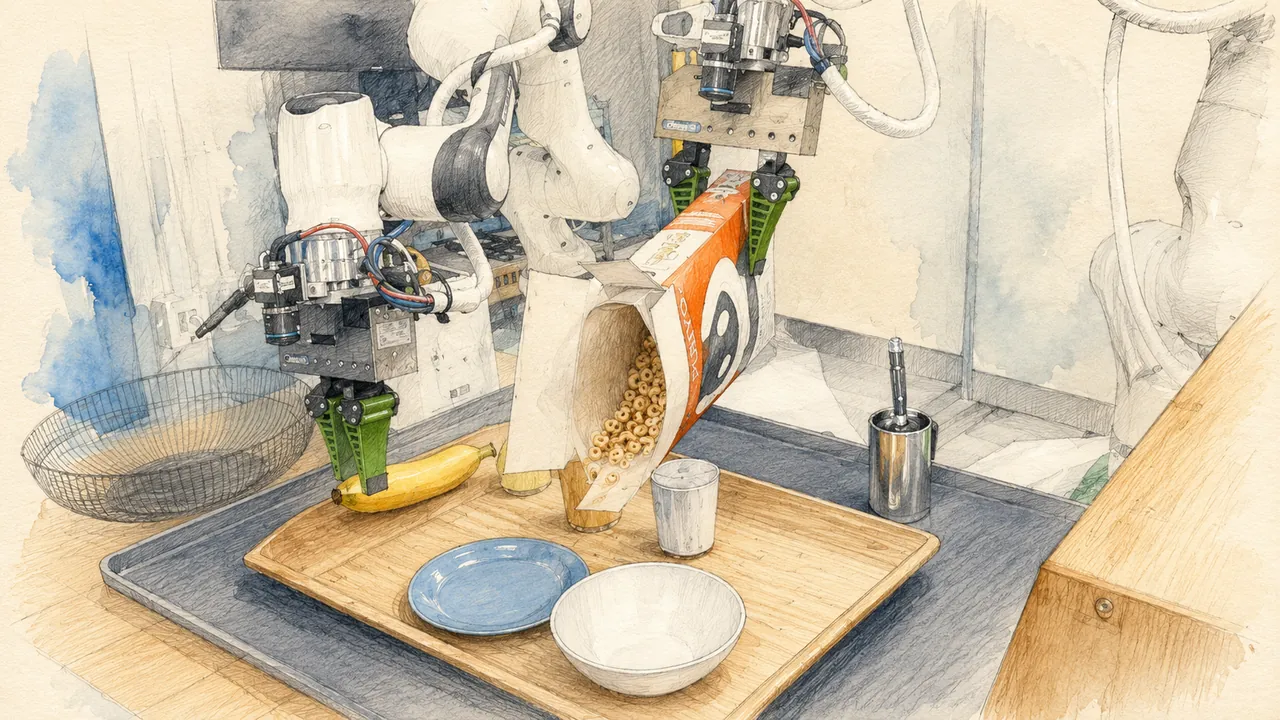
Do big robot “foundation models” actually work better? A careful answer — modestly yes, and most studies can't tell
Toyota Research Institute trained “large behavior models” — robot policies pretrained on ~1,700 hours of diverse manipulation data — and tested them against from-scratch single-task policies with unusual rigour: blind, randomized, large-sample trials (~1,800 real-world, 47,000+ simulation) with real statistics. After per-task finetuning the big models did better on average, needed roughly 3–5× less task-specific data, and were more robust when conditions shifted; performance rose smoothly with more pretraining data. But used without finetuning they did not consistently beat single-task models, several effects were small enough to need the large samples to see at all, and a mundane data-normalisation choice mattered more than architecture. It is measured support for the robot-foundation-model direction — not a general-purpose robot, not a zero-shot generalist, not an “emergent leap” — plus a pointed warning that much of robotics may be measuring noise.
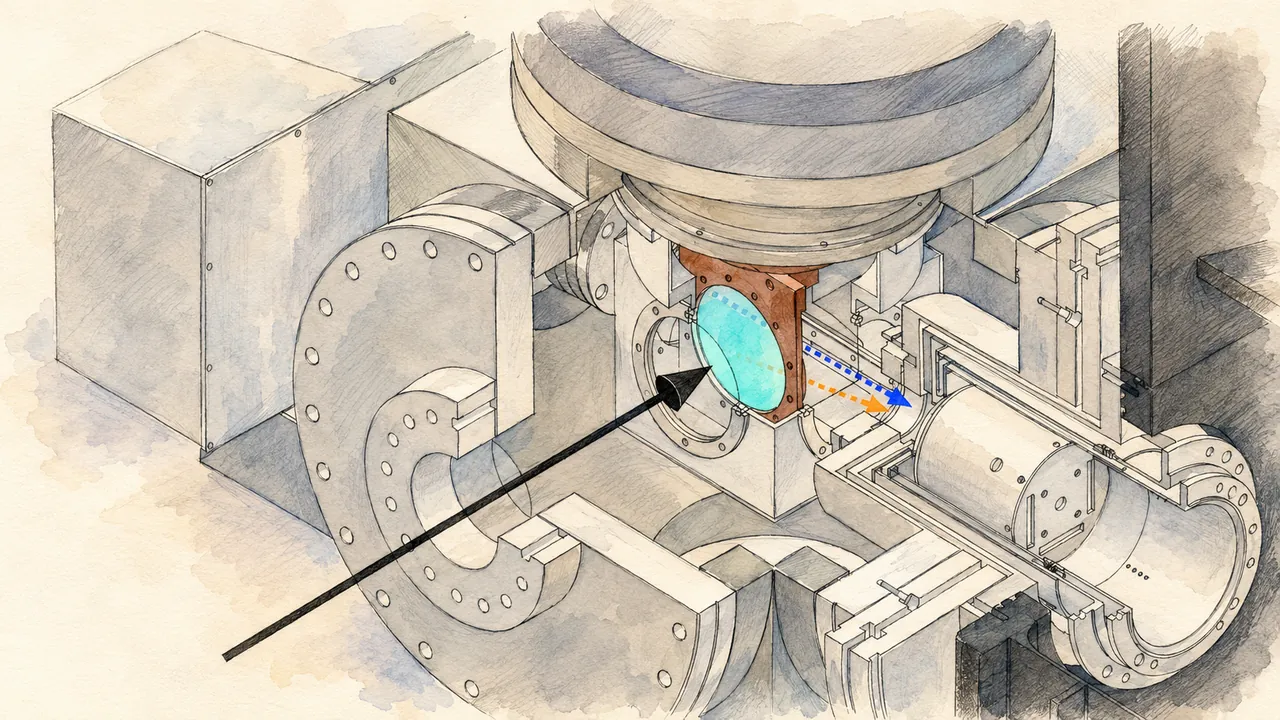
Muon-catalysed fusion: a hidden reaction step, seen directly at last — not a step toward fusion energy
Using an exceptionally sharp quantum-sensor X-ray detector, physicists fired muons into frozen deuterium and, for the first time, directly observed muonic molecules in fleeting “resonance” states — revealing that about half the muons take a pathway left out of the standard description of muon-catalysed fusion. It confirms a long-proposed formation mechanism and forces a revision of the field's models. It is a real advance in seeing and understanding the reaction — not a step toward fusion as an energy source: it does not improve efficiency, does not touch the muon-loss (“alpha sticking”) bottleneck, and was done in deuterium, not the energy-relevant deuterium–tritium mix.
A new family of RNA-guided DNA-targeting systems — distinct from CRISPR, and not yet a gene-editing tool
Mining microbial genomes, researchers found TIGR-Tas, a previously unknown family of RNA-guided systems that cut DNA — using a two-part guide and no “PAM” landing site, unlike CRISPR. They showed one version can be programmed to edit human cells, but only at low efficiency, and traced the family's deep evolutionary links to other RNA-guided machines. It is a real expansion of what we know about RNA-guided biology, and a possible new starting point for future tools — a basic-science discovery and proof of concept, not a mature gene editor or a therapy.
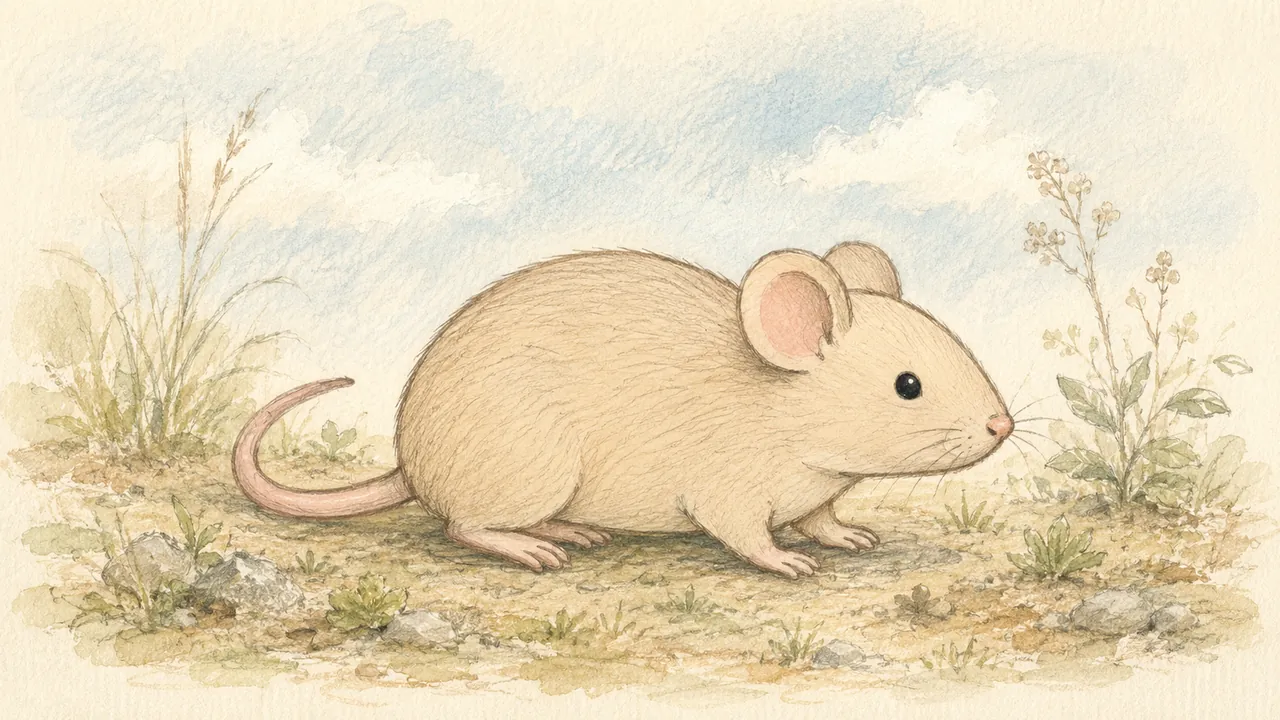
Engineered mice inherited Lyme resistance and stopped infecting ticks — a lab proof of concept, not a wild release
Researchers put an anti-Lyme antibody gene into house mice, which then inherited it for generations; challenged with infected ticks, even single-copy mice resisted infection and largely stopped passing the bacterium on to new ticks. It is a proof of principle for “heritable immunization” of a reservoir species — done in lab house mice, not the wild white-footed mouse that actually spreads Lyme, with no field release and the ecology, regulation and ethics still wide open. It is not a gene drive, and not “Lyme solved.”
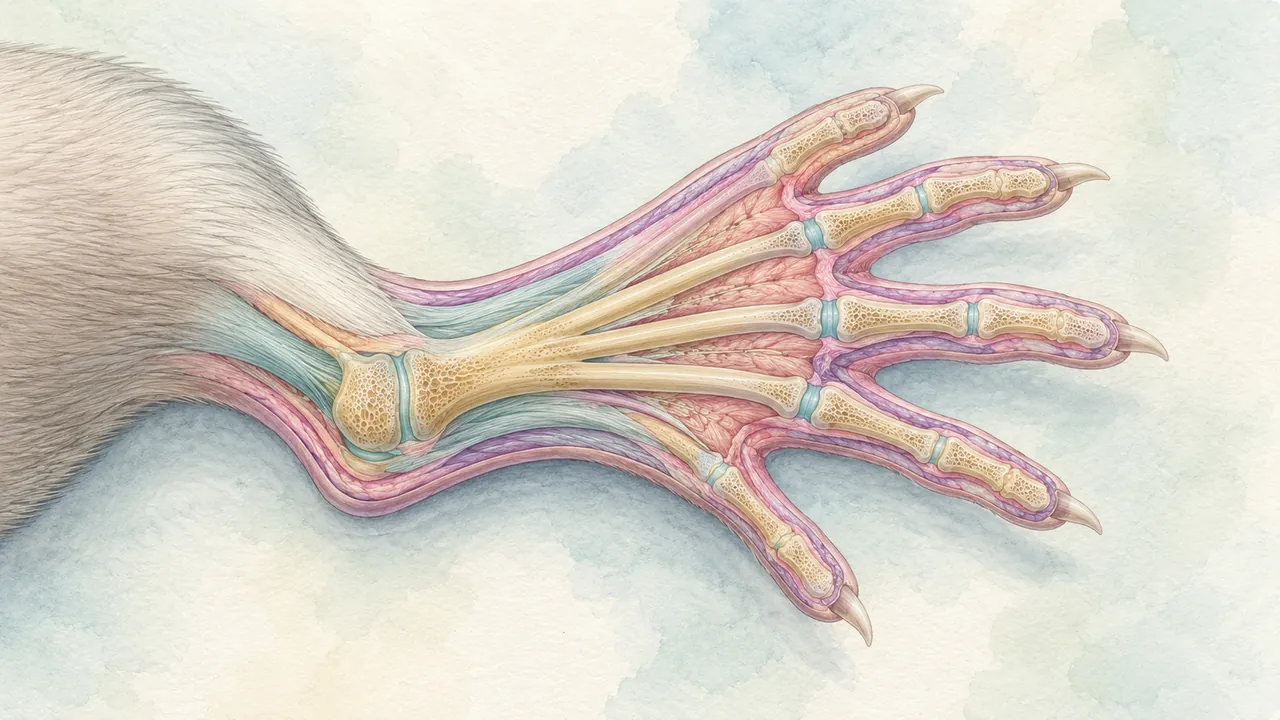
In mice, a two-step growth-factor treatment regrows an amputated digit's lost bones — imperfectly
At a mouse digit amputation that normally heals with a scar, implanting FGF2 and then BMP2 raised a blastema and regrew the lost phalanx and a small joint — similar to the originals but not identical, and far from a whole limb. It suggests the cells and signals for regeneration can be present even where mammals usually fail: a proof of principle in mice, not a human therapy.
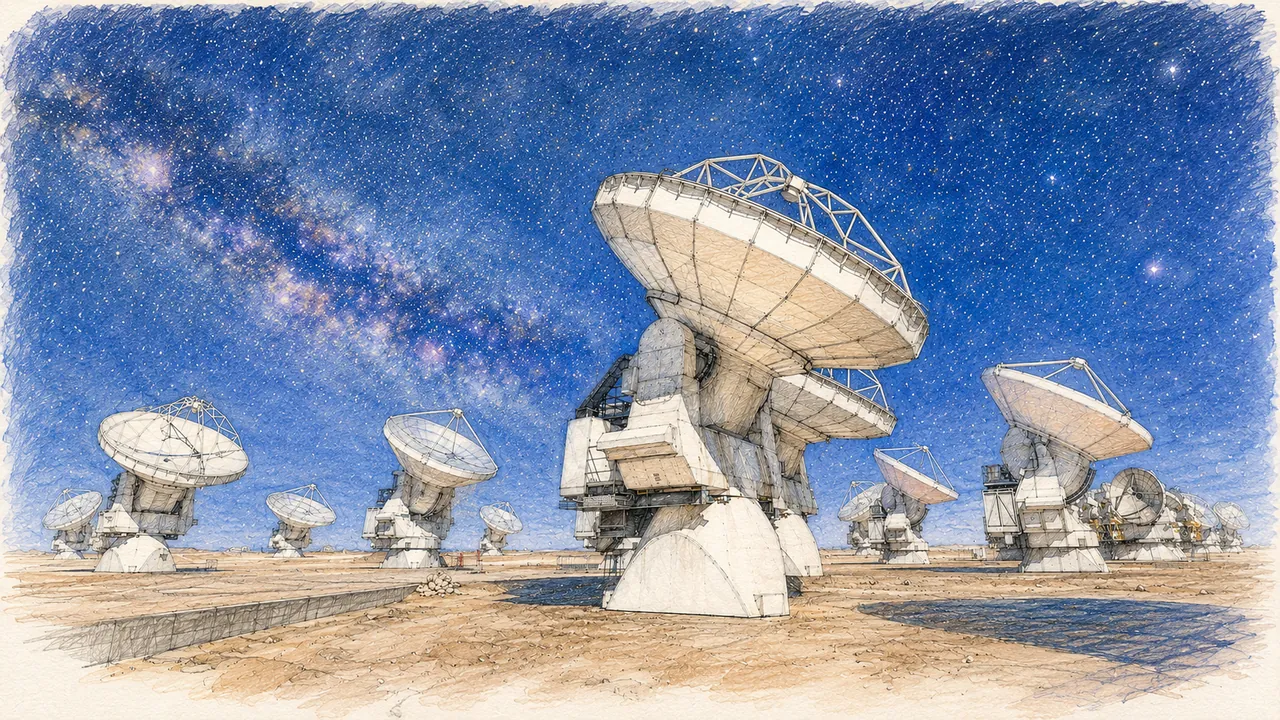
Interstellar comet 3I/ATLAS carries water that formed colder than our own comets’ — a first chemical reading of another planetary system
Using ALMA, astronomers constrained the ratio of “heavy” to ordinary hydrogen in the water of 3I/ATLAS — the third known interstellar object — and found it strongly deuterium-enriched: at least about 40 times Earth’s oceans and 30 times a typical Solar System comet. That points to water that formed under colder conditions than our own comets’. The result is a lower limit, derived indirectly (the water itself was never directly detected), and it says nothing about life or technology — only about chemistry and cold.
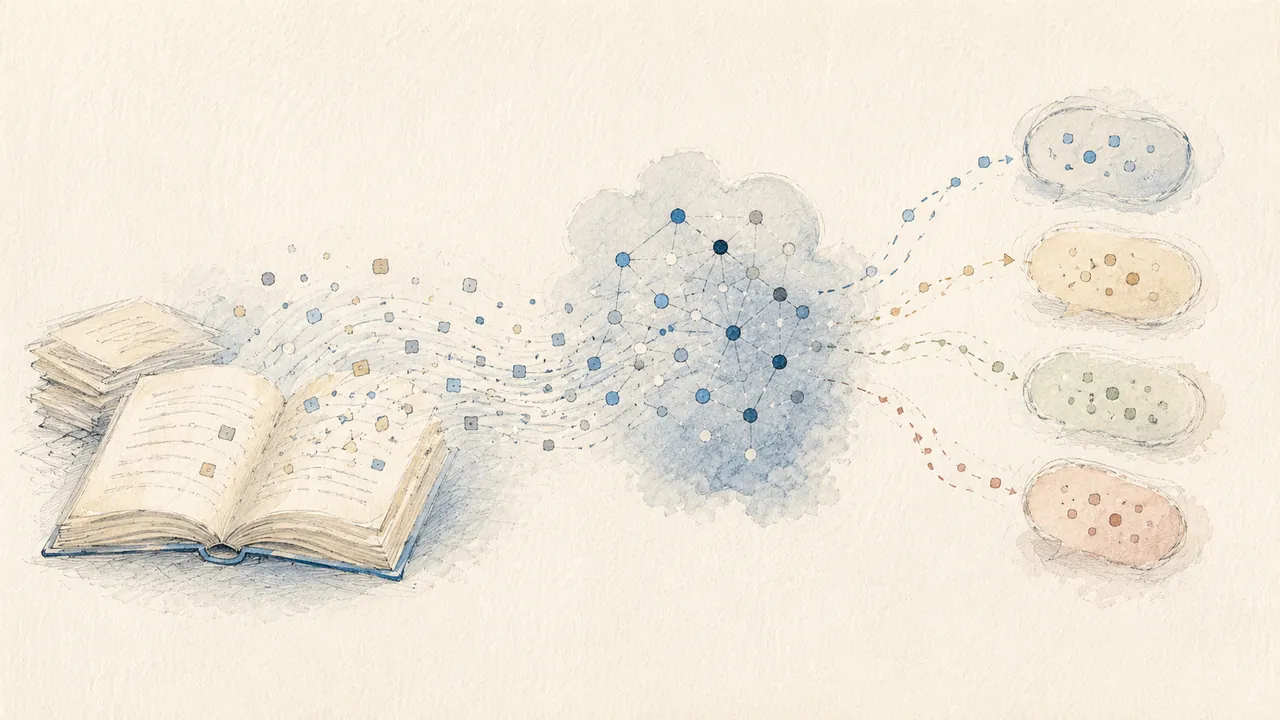
Why language models hallucinate — and why the way we grade them keeps it that way
The confident falsehoods we call “hallucinations” are not a mysterious glitch: some are a statistical by-product of training, and they persist because mainstream benchmarks reward a confident guess over an honest “I don't know.” A case study on four frontier models shows that stating the scoring rules in the prompt (“open rubrics”) reverses that incentive.
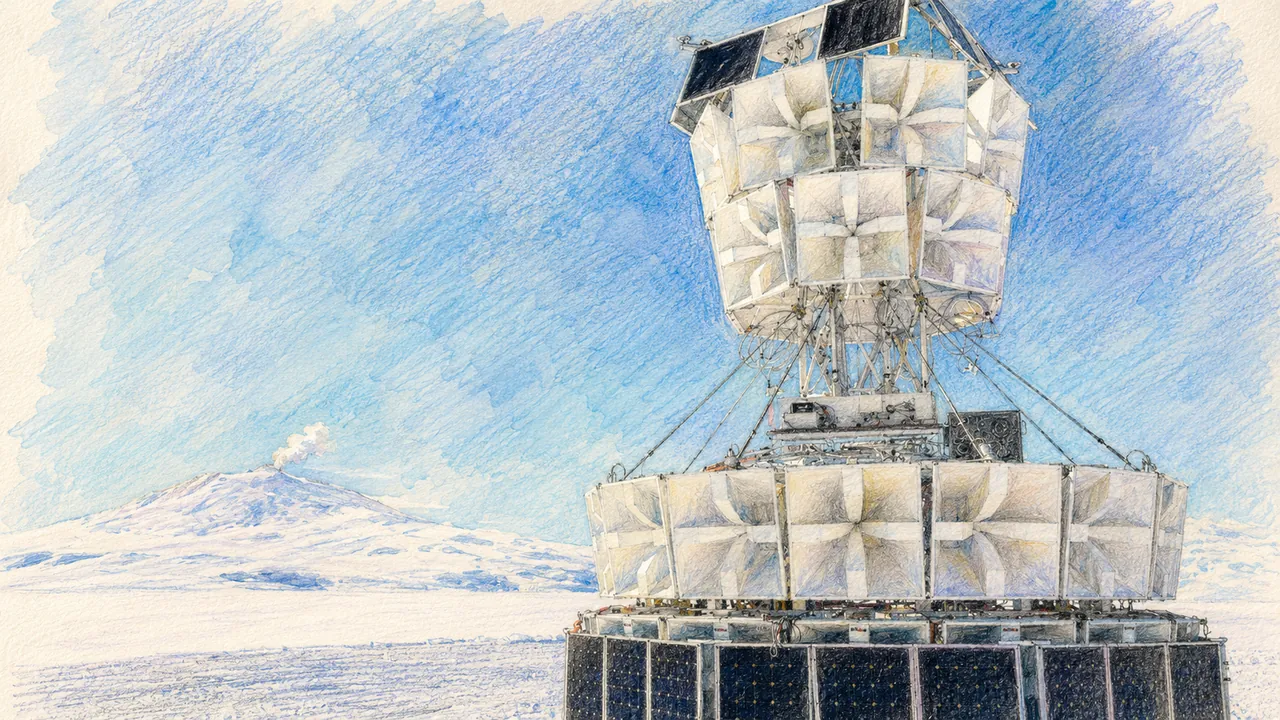
Two anomalous radio pulses over Antarctica remain unexplained — and the “new particle” explanation is losing support
Two unusual radio pulses recorded years ago by a balloon-borne Antarctic experiment still have no agreed explanation; a dedicated Pierre Auger search found no trace of the showers they would imply, making the exotic “new particle” reading far less likely while leaving the anomaly unsolved.