Biology
Natural selection does not work as an engineer works. It works like a tinkerer.
— (1977)

A model removed almost every progressive aging process. Somatic mutations still ended the thought experiment
The model does not say that humans can live to 194 years. It freezes background mortality at age 30, excludes nearly every other progressive aging mechanism and asks when mutation-driven cell loss in four modeled tissues would cause failure. Its large numbers are conditional outputs, not reachable ages or treatment forecasts.
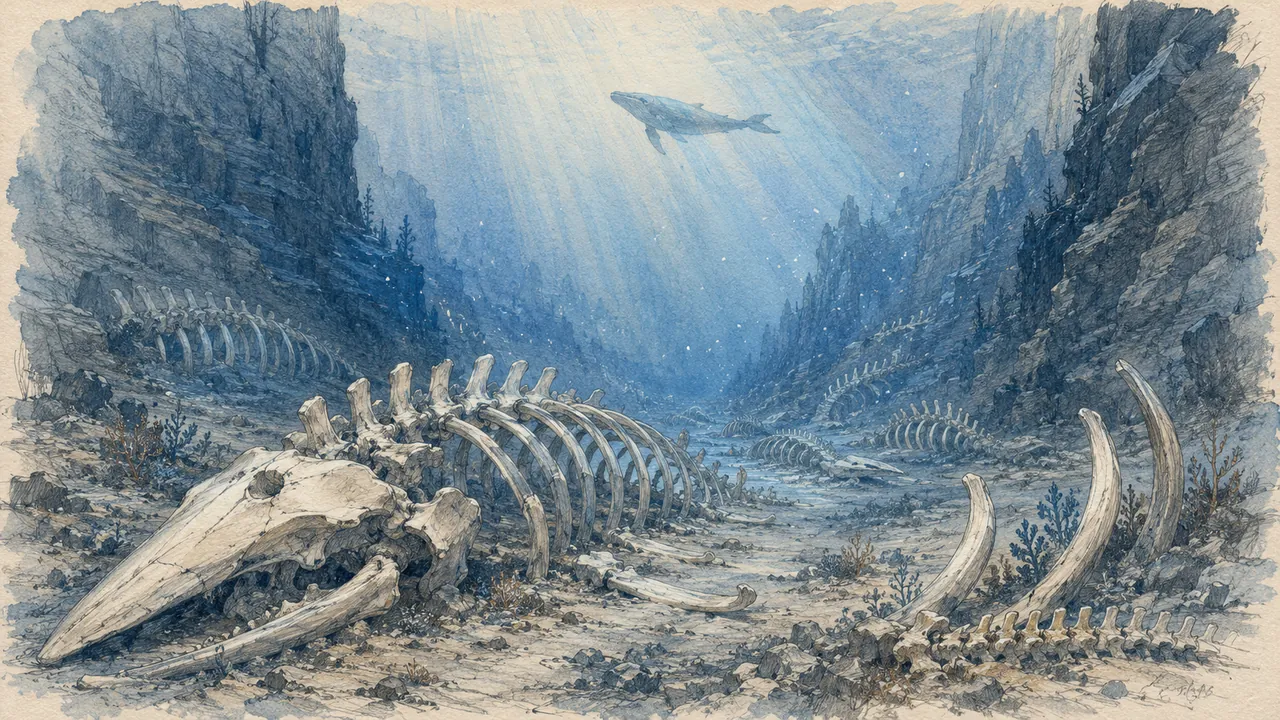
A deep-sea whale graveyard is really a five-million-year archive
A Nature paper reports a vast concentration of whale falls and fossils in the Diamantina Zone of the southeastern Indian Ocean: five modern whale-fall communities, hundreds of fossil cetacean remains, and strontium-isotope ages reaching back about 5.3 million years. The striking part is not that whales chose a place to die, or that one catastrophe made a graveyard. The evidence points to a deep, long-lived archive built by ordinary whale deaths, sinking carcasses, difficult beaked-whale foraging, seafloor topography and unusually good preservation. It opens a rare window into deep-sea whale-fall ecosystems; it does not mean the deep sea is now mapped or understood.
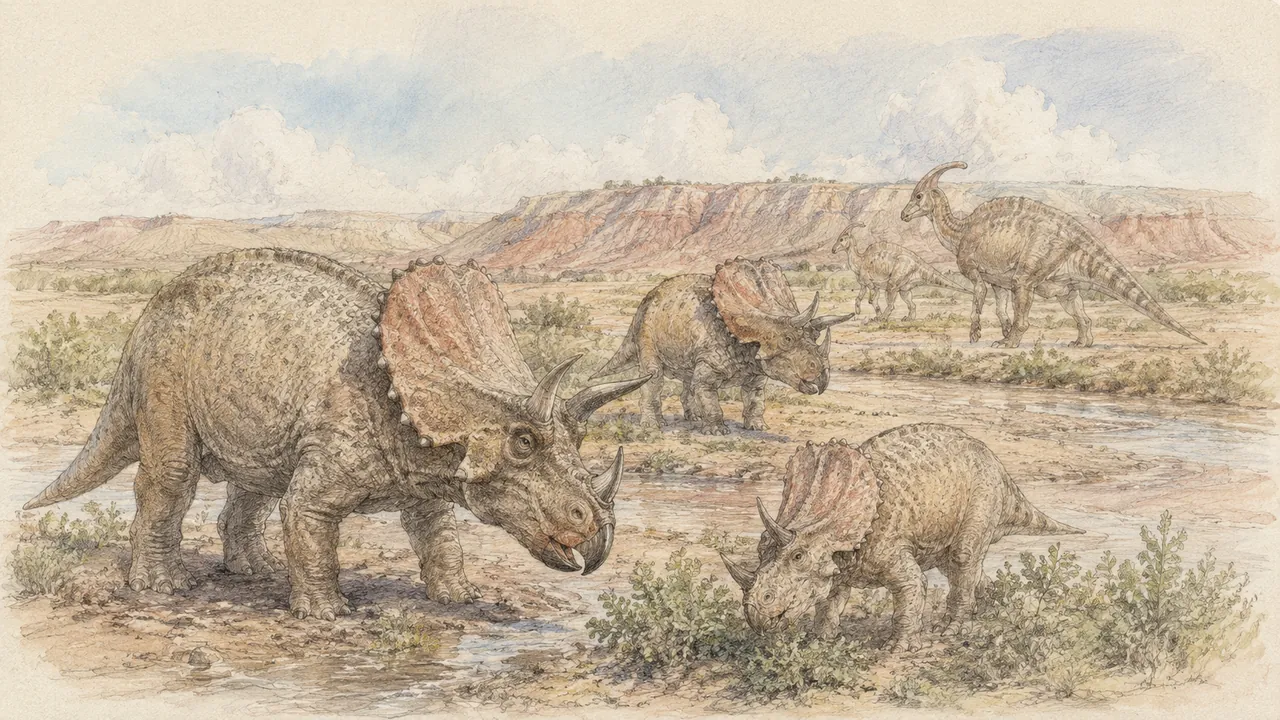
A New Mexico fossil record complicates the dinosaurs' last chapter
A Science study redates the Naashoibito Member in New Mexico to the final few hundred thousand years before the asteroid impact. That matters because most of the best end-Cretaceous dinosaur evidence comes from farther north. The new southern record suggests western North America still had regionally distinct dinosaur faunas near the end, rather than one uniform, fading community. It does not prove every dinosaur ecosystem worldwide was flourishing until impact; it shows why a regional fossil record can make a global story too smooth.
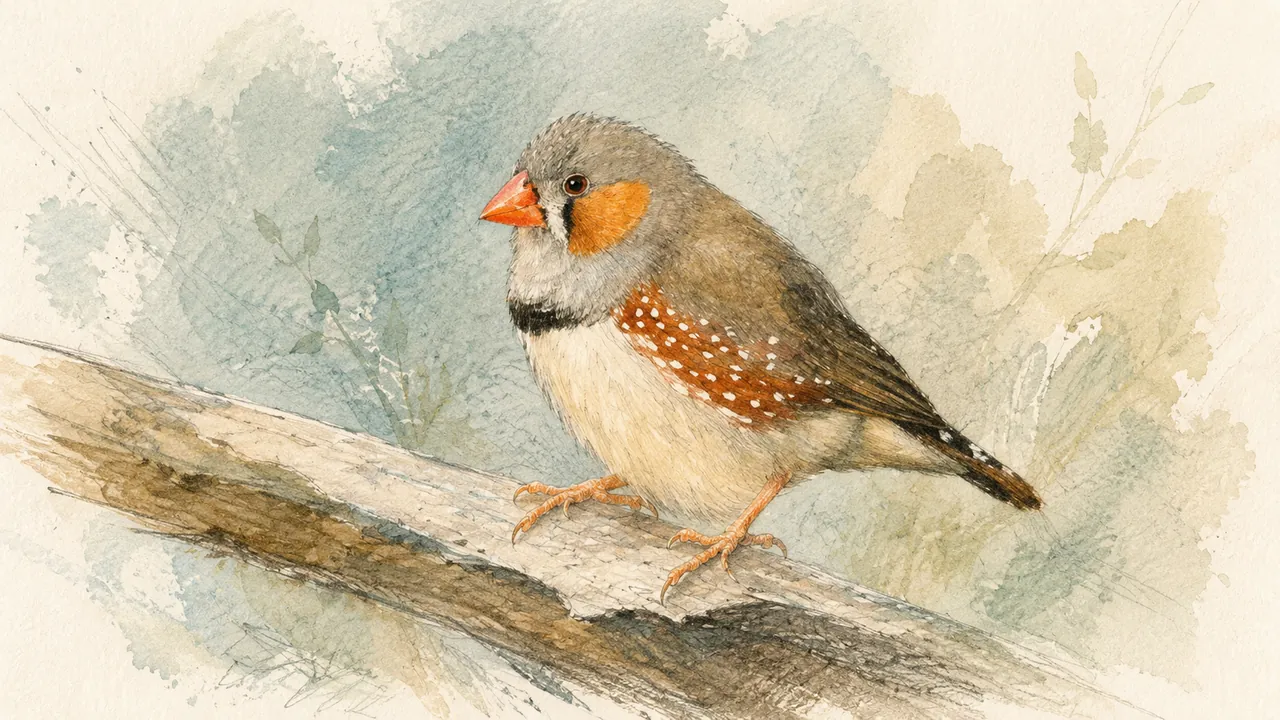
Zebra finches treat calls as meaningful categories — but that is not the same as language
A Science study tested whether zebra finches merely hear different calls or whether they organize their own vocal repertoire into categories that carry behavioral meaning. In laboratory discrimination tasks, the birds learned all 11 call-types, generalized categories to new vocalizers, and made systematic errors among calls used in similar contexts more often than acoustic similarity alone would predict. That is strong evidence for categorical perception and an operational kind of meaning. It is not evidence that finches have human-like language, syntax, open-ended words, or a channel for conversation with people.
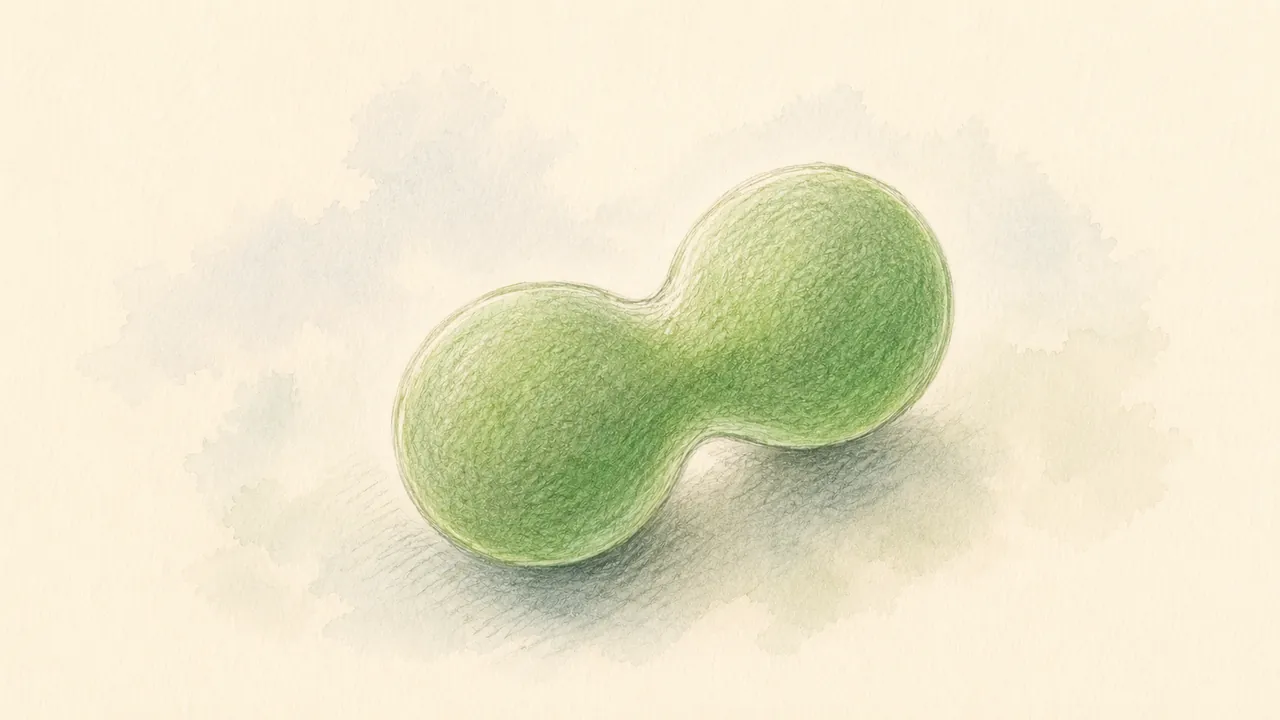
A synthetic cell that feeds, grows and divides — a serious step, but not life built from scratch
A University of Minnesota team reports a fatty droplet carrying a ~90,000-base genome that feeds, copies its DNA, grows and divides across five generations, with an introduced beneficial mutation spreading by selection. It is a genuine advance in building cells from defined, purified parts. But it has not been peer-reviewed; it cannot make its own protein machinery or run its own metabolism; its parts are purified biological molecules, not simple chemicals assembled from scratch; and — in the authors' own words — the selection is not spontaneous Darwinian evolution. The clean version is not 'the first living cell built from non-living matter.'
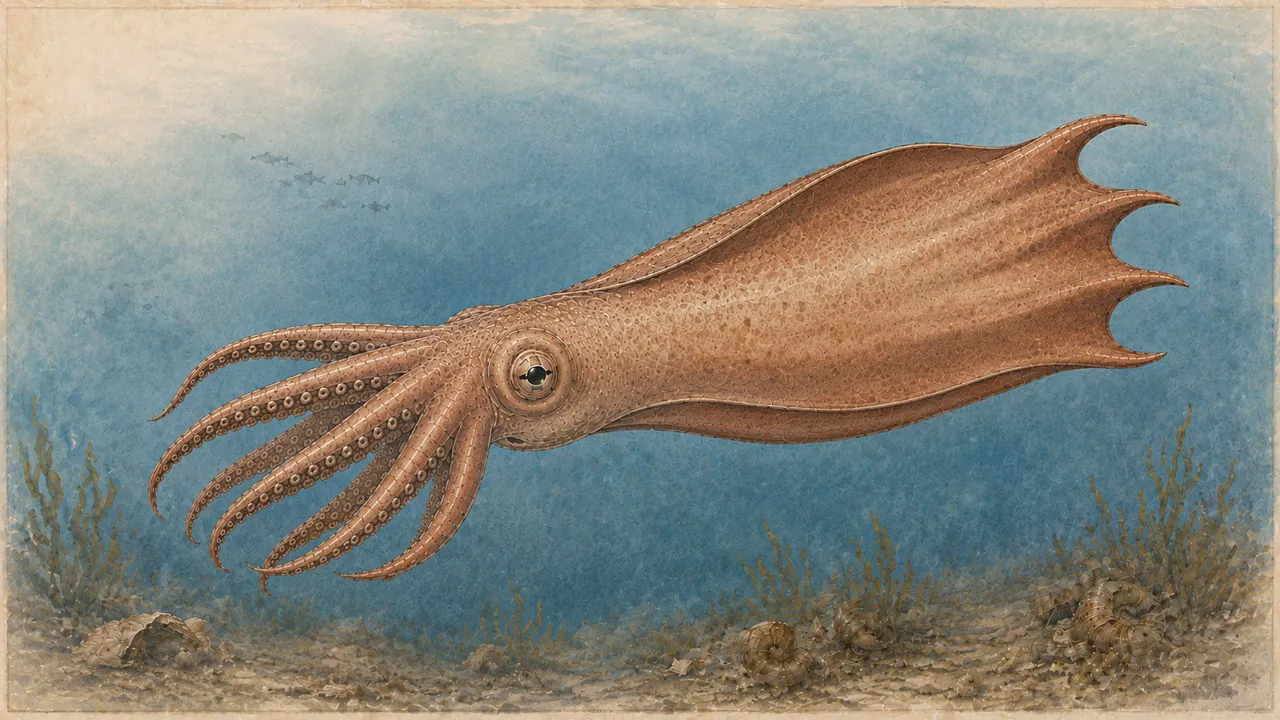
Giant Cretaceous octopuses may have been top predators — but the evidence starts with jaws, not sea monsters
A Science paper reexamines huge Cretaceous cephalopod jaws and argues that two Nanaimoteuthis species were early finned octopuses, with body-size estimates reaching several meters and possibly up to 18.6 m. Heavy jaw wear suggests hard-prey crushing; asymmetric wear may hint at lateralized behavior. It is a spectacular fossil story, but the clean version is not 'the kraken was real': it is a reconstruction from jaws, wear patterns, taxonomy, and scaling.
A new family of RNA-guided DNA-targeting systems — distinct from CRISPR, and not yet a gene-editing tool
Mining microbial genomes, researchers found TIGR-Tas, a previously unknown family of RNA-guided systems that cut DNA — using a two-part guide and no “PAM” landing site, unlike CRISPR. They showed one version can be programmed to edit human cells, but only at low efficiency, and traced the family's deep evolutionary links to other RNA-guided machines. It is a real expansion of what we know about RNA-guided biology, and a possible new starting point for future tools — a basic-science discovery and proof of concept, not a mature gene editor or a therapy.
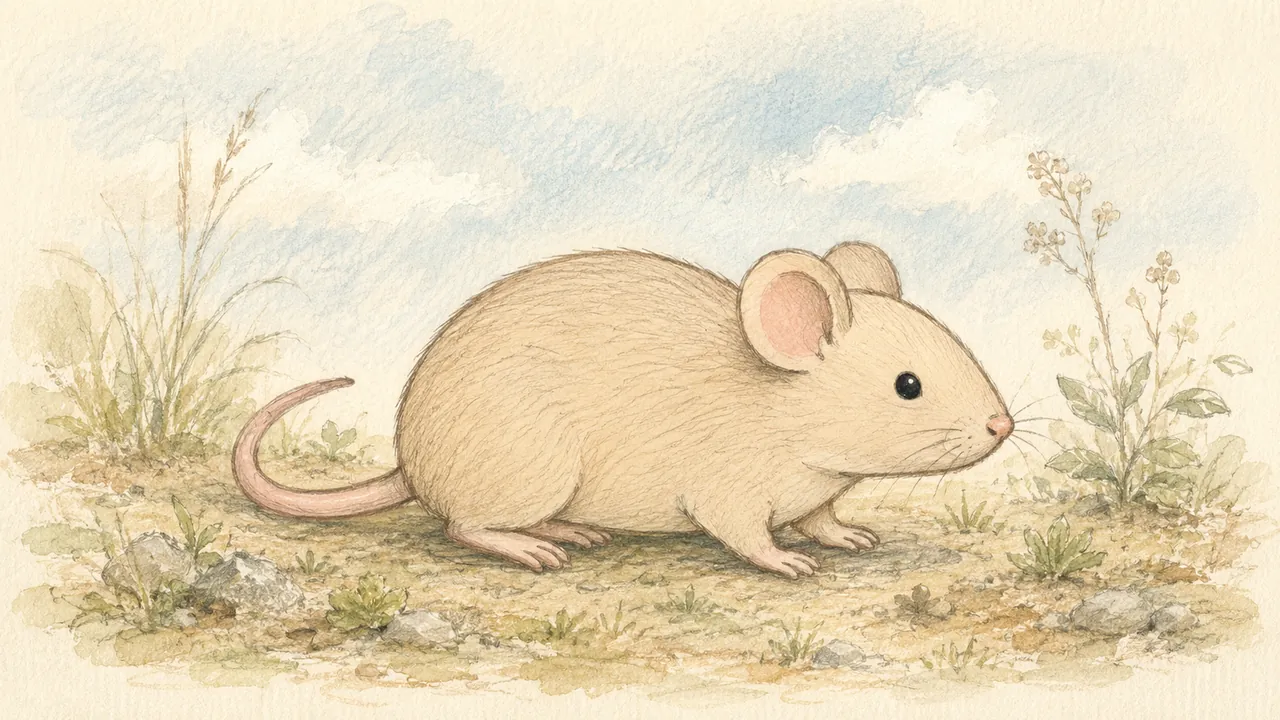
Engineered mice inherited Lyme resistance and stopped infecting ticks — a lab proof of concept, not a wild release
Researchers put an anti-Lyme antibody gene into house mice, which then inherited it for generations; challenged with infected ticks, even single-copy mice resisted infection and largely stopped passing the bacterium on to new ticks. It is a proof of principle for “heritable immunization” of a reservoir species — done in lab house mice, not the wild white-footed mouse that actually spreads Lyme, with no field release and the ecology, regulation and ethics still wide open. It is not a gene drive, and not “Lyme solved.”