Sáyẹ́ǹsì Ayé
Ọpọlọ dàbí ẹni pé òòyì ń mú un nígbà tó ń wo jìnnà sínú ọ̀gbun àkókò.
— (1802)
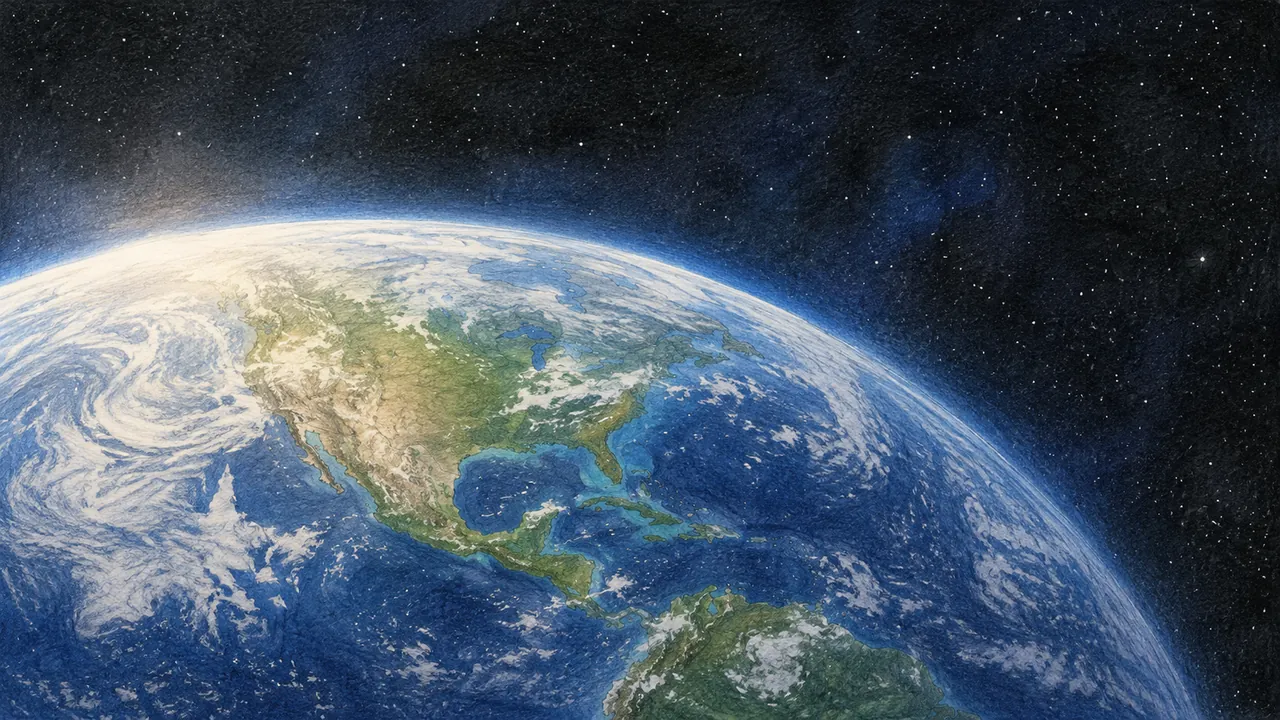
Báwo ni Ayé ṣe lè dúró aláwọ̀ ewé pẹ́ tó? Climate model kan fúnni ní ranges, kì í ṣe ọjọ́ ìparun
Three-dimensional climate simulations 29 fi oríṣìíríṣìí limits sí photosynthetic biosphere Ayé láàárín nǹkan bí 1.35 sí 1.87 billion ọdún láti ìsinsìnyí. Àwọn values náà da lori deliberately simplified paths fún rock weathering, heat àti carbon-dioxide levels tó kéré jù tí plants lè lò. Wọn kò predict ìgbà tí gbogbo plants, gbogbo life, civilization tàbí planet yóò parí.
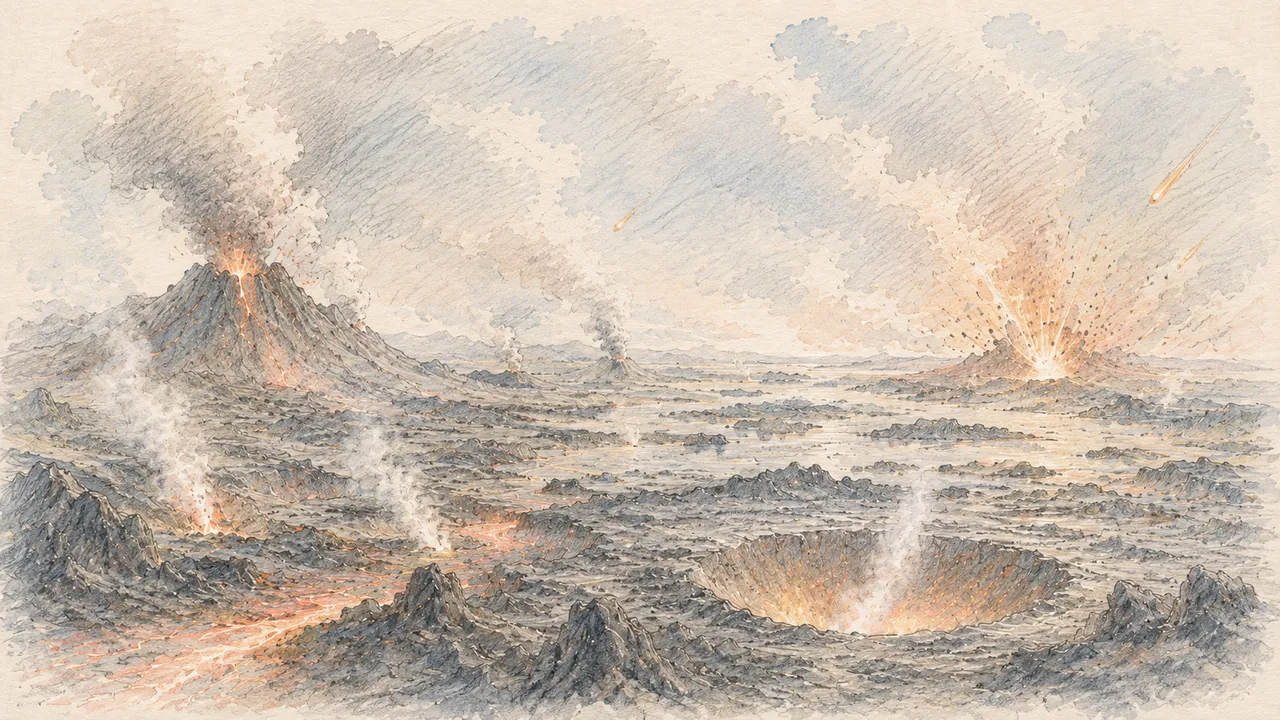
Thin, half-molten first crust: model kan níbi tí impacts, kì í ṣe internal heat, ran Hadean
Earth first eon, Hadean, left almost no rock record. Modelling study yìí asks what crust would look like once impacts are included. Using stochastic declining impact-flux model and benchmarked crust/mantle heat-flow simulations, authors find impact heat could exceed Earth internal heat by at least order of magnitude for most Hadean, leaving thin crust (<~5 km) partially molten just few kilometres down — too weak, they argue, for plate tectonics, prone to recycling into mantle, explaining missing Hadean material. As impacts waned after ~3.9 Ga, lasting continental crust could form around when oldest felsic rocks appear — ‘likely not a coincidence.’ Conservative lower-bound heating makes qualitative result robust though exact numbers not fixed. Strong coherent model, not direct observation.