Commute kì í ṣe ohun kan ṣoṣo tí remote iṣẹ́ yọ kúrò
Ariyanjiyan tó wọ́pọ̀ nípa remote iṣẹ́ sábà máa ń jẹ́ nípa productivity, flexibility àti commute. Ṣé ènìyàn lè ṣe iṣẹ́ kan náà láti ilé? Ṣé wọ́n fẹ́ràn rẹ̀? Ṣé wọ́n máa gba owó-oṣù kéré díẹ̀ kí wọ́n lè ní i? Ṣé ilé-iṣẹ́ yẹ kí ó fipá mú wọn padà sí office?
Àwọn ìbéèrè wọ̀nyí jẹ́ gidi, ṣùgbọ́n wọ́n máa ń fojú kọ variable kan tó dakẹ́: ordinary social contact. Office kì í ṣe ibi production nìkan. Ó tún jẹ́ ibi tí ọ̀pọ̀ ènìyàn ti ń rí ènìyàn interaction kékeré tí kò ní pressure: rírìn kọjá ẹnikan, jíjẹun lẹ́gbẹ̀ẹ́ àwọn ènìyàn, béèrè ìbéèrè, gbọ́ ìjíròrò tí kò tọ́ sí ọ, wà nínú yara tí kò ṣófo.
Nínú Science ìwé ìwádìí tuntun, Natalia Emanuel, Emma Harrington àti Amanda Pallais ṣe ìṣírò àfojúsùn ohun tó ṣẹlẹ̀ nígbà tí remote iṣẹ́ tẹ̀síwájú lẹ́yìn pandemic. Finding wọn kì í ṣe pé remote iṣẹ́ buru fún gbogbo ènìyàn. Ó jẹ́ pé jobs tí ó lè lọ remote di solitary púpọ̀ síi, mental distress sì pọ̀ síi nínú jobs wọ̀nyí, pàápàá fún àwọn ènìyàn tó ń gbé nikan.
Èyí yàtọ̀ sí claim pé “remote iṣẹ́ fa depression.” Ó dín síi, ó sì wúlò síi: ibi tí a ti ń ṣiṣẹ́ yí social architecture ti ọjọ́ kan padà.
Ohun tí ìwádìí ṣe
Àwọn olùkọ̀wé kò kan fi àwọn ènìyàn tó yan remote iṣẹ́ wé àwọn tó lọ sí office. ìfiwéra bẹ́ẹ̀ yóò ní confounding púpọ̀, nítorí ènìyàn ń yàn jobs, firms àti arrangements fún ọ̀pọ̀ ìdí.
Dípò bẹ́ẹ̀, wọ́n fi workers nínú occupations tí a lè ṣe láti ilé wé workers nínú occupations tí ó sábà nílò physical presence. Software engineering àti marketing jẹ́ àpẹẹrẹ remotable occupations; nursing, food preparation àti machine operation kì í ṣe bẹ́ẹ̀. Classification náà wá láti Dingel-Neiman index of occupational remotability.
Design náà jẹ́ difference-in-differences ìwádìí. Àwọn olùkọ̀wé béèrè bóyá isolation àti mental health yí padà síi lẹ́yìn pandemic fún àwọn ènìyàn nínú remotable jobs ju fún àwọn tó wà nínú nonremotable jobs. Wọ́n lo nationally representative US surveys márùn-ún láti 2011 sí 2024, wọ́n sì yọ 2020 àti 2021 — peak pandemic — kúrò nínú pàtàkì before-after ìfiwéra.
Sample náà tóbi: workers 588,322 kọjá combined dátà orísun. Outcomes pẹ̀lú time-use diaries, Kessler K-6 psychological distress scores, depression, mental-health-care lò àti prescription medication lò.
Kókó ni pé ìtọju kì í ṣe preference ẹni fún remote iṣẹ́. Ó jẹ́ exposure sí occupation kan tí working arrangements rẹ̀ yí padà púpọ̀ síi lẹ́yìn pandemic.
Ohun tó yí padà
Remote iṣẹ́ ga púpọ̀ síi nínú remotable jobs. Ní 2024, workers nínú remotable occupations lo 31.1% ti workdays wọn fully remote, ní ìfiwéra pẹ̀lú 8.9% fún nonremotable occupations. Differential postpandemic rise jẹ́ 17.9 percentage kókó.
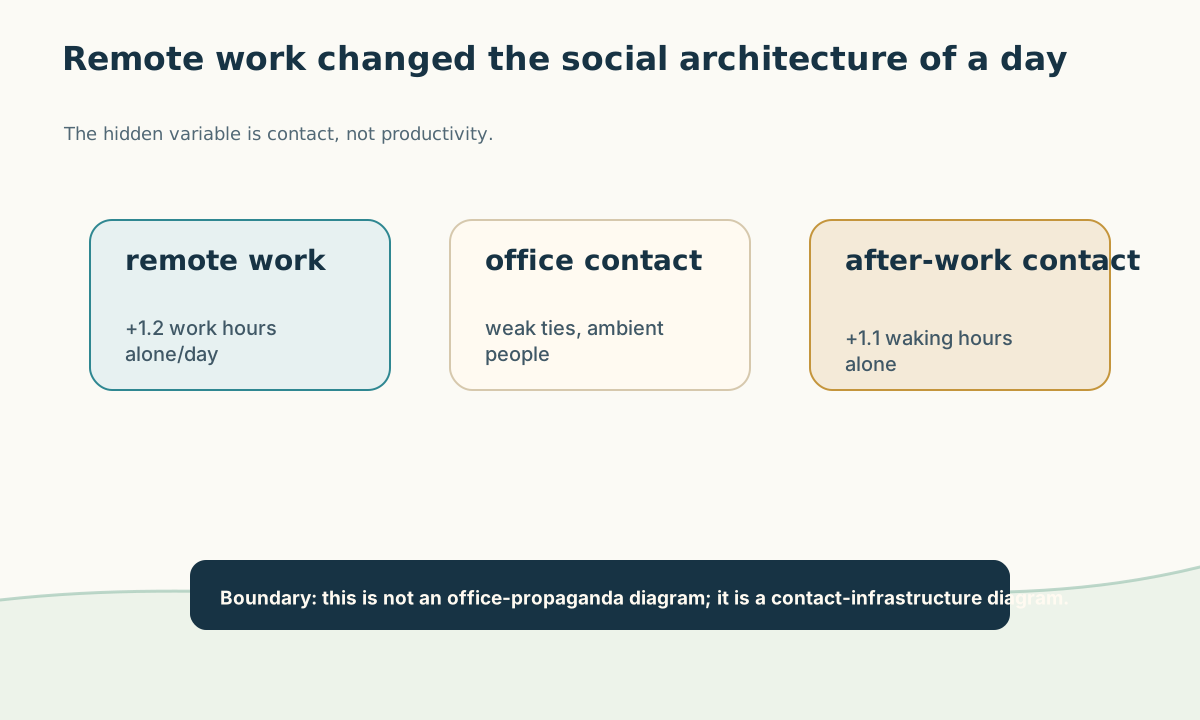
Pẹ̀lú shift yẹn, workers nínú remotable jobs lo 1.2 iṣẹ́ hours síi nikan fún workday kọọkan relative sí nonremotable workers. ìwé ìwádìí náà pe èyí ní mú pọ̀ sí i 58.0%. Tí a bá rescale change náà pẹ̀lú differential rise nínú remote iṣẹ́, implied ìṣírò àfojúsùn jẹ́ 6.6 additional hours working alone lórí remote days.
Change náà kò dúró ní iṣẹ́ iṣẹ́-ṣiṣe. Overall waking àkókò alone pọ̀ sí i ní 1.1 hours fún workday kọọkan fún workers nínú remotable jobs relative sí nonremotable workers. ìwé ìwádìí náà tún ròyìn whole days síi tí a lo nikan àti fewer after-work social activities.
Èyí ni apá tí ó rọrùn láti dín kù ju bó ṣe yẹ lọ. Commute lè burú. Office lè distract. Ṣùgbọ́n yíyọ office kúrò tún yọ automatic orísun ti weak social ties. Fún ẹni tó ní contact tó tó níbòmíràn, kò gbọdọ̀ ṣe pàtàkì púpọ̀. Fún ẹni tó ń gbé nikan, ó lè ṣe pàtàkì gan-an.
Ìfúnni-lágbára ti gbígbé nikan
Effects tó lágbára jù hàn lára workers tó ń gbé nikan.
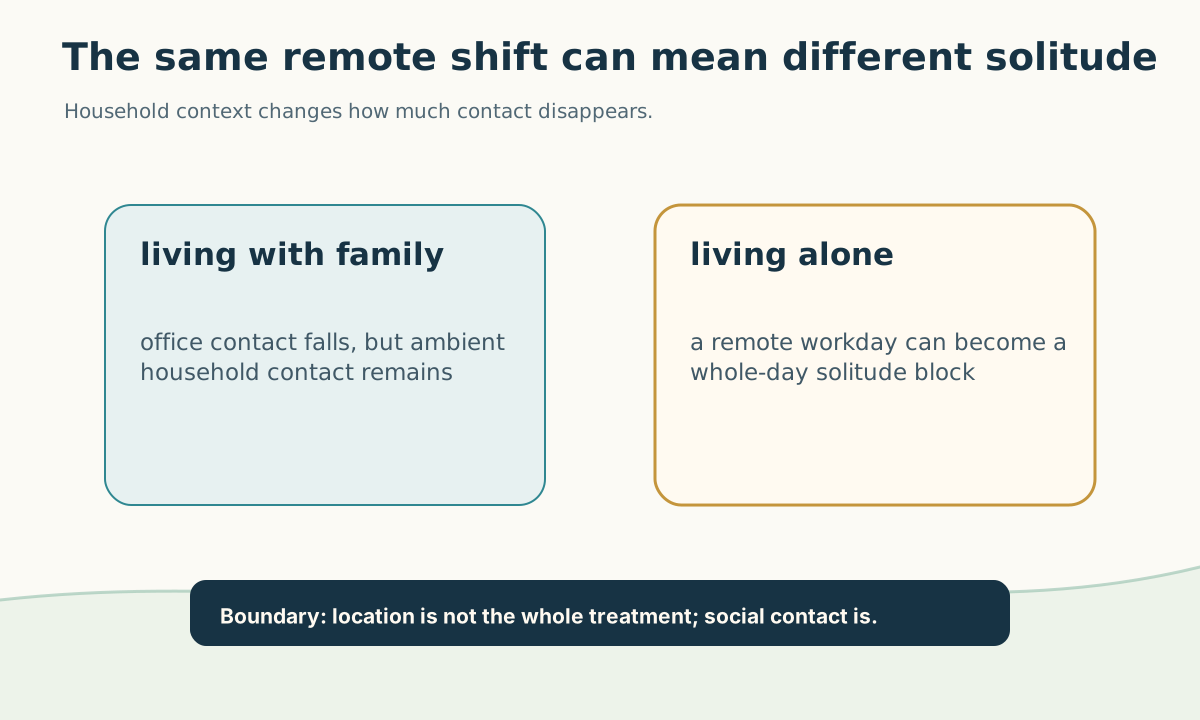
ìwé ìwádìí náà sọ pé mú pọ̀ sí i nínú extreme forms of solitude pọ̀ jù lọ nínú ẹgbẹ́ yìí. Workers tó ń gbé nikan nínú remotable occupations ní mú pọ̀ sí i tó pọ̀ síi nínú spending entire days alone àti days láìní ambient social contact paápàá láti public places bí gym, store tàbí restaurant.
Èyí ní intuitive sense. Tí o bá ń gbé pẹ̀lú partner, children tàbí family mìíràn, remote iṣẹ́ lè yọ colleagues kúrò ṣùgbọ́n ordinary household interaction ṣì wà. Tí o bá ń gbé nikan, remote workday lè di whole day tí kò sí ẹnikẹ́ni ní ti ara lẹ́gbẹ̀ẹ́ rẹ.
Ìdí nìyẹn tí “remote versus office” fi blunt ju. Work arrangement kan náà lè ní social consequences tó yàtọ̀ da lori household ìṣètò, neighborhood, commute, personality, health, caregiving obligations àti bóyá workplace day ti coordinated pẹ̀lú àwọn ènìyàn mìíràn.
Mental health náà yí padà
Mental-health measures ń lọ ní ìtọ́sọ́nà kan náà pẹ̀lú isolation measures.
Fún workers nínú remotable jobs, mental distress pọ̀ sí i ní ayíká 0.1 standard deviations relative sí nonremotable workers. Nínú Panel ìwádìí of Income Dynamics, K-6 distress score pọ̀ sí i ní 0.3 units relative sí prepandemic mean 3.0. Increase náà fẹrẹẹ jẹ́ igba méjì fún workers tó ń gbé nikan.
Pattern náà kò dá lórí survey ìbéèrè kan. ìwé ìwádìí náà ròyìn similar shifts nínú depression, mental-health-care lò àti prescription medication lò. Workers nínú remotable jobs di 4.6 percentage kókó síi likely láti rí mental-health professional, láti prepandemic mean 7.9%. Depression tàbí anxiety prescriptions ga ní 1.8 percentage kókó láti 10.9% mean; gbogbo mental-health prescriptions ga ní 1.9 percentage kókó láti 11.6% mean.
Placebo checks ṣe pàtàkì. Workers kan náà kò ní corresponding mú pọ̀ sí i nínú non-mental-health care tàbí non-mental-health prescriptions. Èyí mú kí ó nira síi láti ṣàlàyé èsì náà gẹ́gẹ́ bí gbogbogbò mú pọ̀ sí i nínú health-care lò.
Àwọn olùkọ̀wé ìṣírò àfojúsùn pé rise ti remote iṣẹ́ ṣàlàyé roughly ọ̀kan third ti overall mú pọ̀ sí i nínú isolation àti mental distress kọjá ìwádìí period. Ó tóbi tó láti ṣe pàtàkì, ṣùgbọ́n kì í ṣe gbogbo itan.
Ohun tí èyí kò fi ẹ̀rí múlẹ̀
- Kò fi ẹ̀rí múlẹ̀ pé remote iṣẹ́ buru fún gbogbo ènìyàn.
- Kò fi ẹ̀rí múlẹ̀ pé particular person di distressed nítorí pé ó fúnra rẹ̀ yan láti ṣiṣẹ́ láti ilé.
- Kò fi hàn pé office iṣẹ́ automatically healthier.
- Kò yà fully remote iṣẹ́ kúrò ní hybrid iṣẹ́.
- Kò identify gbogbo subgroup tí remote iṣẹ́ lè ràn lọ́wọ́.
- Kò wọn loneliness pẹ̀lú full validated loneliness tàbí social-network scale; isolation measures wá láti available survey dátà.
- Kò yọ gbogbo ṣeé ṣe pandemic-era confound kúrò. Design náà assume pé, lẹ́yìn yíyọ 2020 àti 2021, remotable àti nonremotable occupations yóò tẹ̀lé comparable trends bí kò ṣe remote shift.
- Kò sọ pé productivity, disability access, caregiving flexibility tàbí commuting àkókò kò ṣe pàtàkì.
Point ikẹhin yìí jẹ́ dandan. Remote iṣẹ́ lè ní iye púpọ̀. ìwé ìwádìí náà fúnra rẹ̀ sọ pé ọ̀pọ̀ workers fẹ́ remote tàbí hybrid arrangements, research mìíràn sì rí àǹfààní fún satisfaction, retention àti work-life balance. Social cost kan kì í ṣe total verdict.
Báwo ni ẹ̀rí ṣe lágbára tó?
Agbára ìwé ìwádìí náà ni pé kò gbára lé convenience survey kan. Ó darapọ̀ time-use dátà, mental-health scales, health-care lò àti prescription measures kọjá nationally representative US datasets púpọ̀. Àwọn olùkọ̀wé tún lo occupation-level àpẹrẹ, nítorí náà wọn kò kan fi àwọn ènìyàn tó yan remote iṣẹ́ wé àwọn tí kò yan an.
Wọ́n ṣe robustness àti placebo checks púpọ̀. Effects lágbára síi fún àwọn tó ń gbé nikan, gangan ibi tí isolation ọ̀nà iṣẹ́ yóò predict ipa tó ga síi. Effects náà kò hàn ní non-mental-health care. Àwọn olùkọ̀wé tún dán wò bóyá exposure sí generative AI lè ṣàlàyé mental-health àpẹẹrẹ; èsì load lórí remotability dípò AI exposure.
Weak kókó kì í ṣe dataset ìwọ̀n. Ó jẹ́ interpretation. “Remotable occupation lẹ́yìn the pandemic” kì í ṣe ohun kan náà pẹ̀lú “individual yìí ń ṣiṣẹ́ láti ilé ọjọ́ márùn-ún lọ́sẹ̀.” Estimates ní hybrid arrangements, workplace spillovers, occupation-level changes àti unmeasured shocks tí ó lè kan remotable iṣẹ́ yàtọ̀.
Nítorí náà reading tó mọ́ ni: ìwádìí náà fúnni ní serious ẹ̀rí pé postpandemic rise ti remote iṣẹ́ pọ̀ isolation síi, ó sì ní association pẹ̀lú worse mental-health measures, pàápàá lára workers tó ń gbé nikan. Kò yẹ ká ka a bí simple individual prescription.
Ìtumọ̀ fún àpẹrẹ
Practical conclusion kì í ṣe “gbogbo ènìyàn padà sí office.” Ó jẹ́ “má ṣe àpẹrẹ remote iṣẹ́ bí ẹni pé location ni variable kan ṣoṣo.”
Tí hybrid iṣẹ́ bá túmọ̀ sí pé gbogbo ènìyàn wá sí office ní ọjọ́ tó yàtọ̀, office lè ṣì jẹ́ socially empty. Tí remote iṣẹ́ bá túmọ̀ sí meetings láìsí informal contact, ọjọ́ náà lè efficient, ó sì lè isolating ní àkókò kan náà. Tí worker bá ń gbé nikan, fully remote week lè yọ guaranteed ambient social exposure kan ṣoṣo tí ó ní.
Àwọn olùkọ̀wé tọ́ka sí interventions bí coordinating in-office days fún hybrid workers àti encouraging informal interaction, pẹ̀lú online. Èyí kì í ṣe nostalgia fún cubicles. Ó jẹ́ recognition pé social contact jẹ́ infrastructure.
Ìbéèrè tó dára ju “remote tàbí office?” ni: àwọn apá wo ti ènìyàn contact ni old arrangement ń fún wa láìmọ̀ọ́mọ̀, báwo ni tuntun arrangement ṣe lè fún wa ní wọn ní ìmọ̀lára àti pẹ̀lú ète?
Àkótán kedere
Emanuel, Harrington àti Pallais ìṣírò àfojúsùn pé postpandemic rise ti remote iṣẹ́ mú workdays di solitary síi, ó sì bá worse mental-health measures lọ, pàápàá fún àwọn ènìyàn tó ń gbé nikan. Workers nínú remotable occupations lo tó 1.2 iṣẹ́ hours síi nikan lójoojúmọ́ àti 1.1 waking hours síi nikan overall relative sí workers nínú nonremotable occupations. Mental distress, mental-health-care lò àti mental-health prescriptions ga síi nínú remotable jobs wọ̀nyí, nígbà tí non-mental-health care kò ṣe bẹ́ẹ̀. èsì náà kì í ṣe blanket ọ̀ràn lòdì sí remote iṣẹ́. Ó jẹ́ àpẹrẹ warning: flexibility lè fipamọ́ àkókò, ó sì tún lè yọ social contact kúrò; àwọn tó fara hàn sí loss yẹn jù lè jẹ́ àwọn tí ilé wọn ti ṣófo tẹ́lẹ̀.
Àwọn orísun
Da lórí: Home alone: Remote work, isolation, and mental health — Natalia Emanuel, Emma Harrington and Amanda Pallais, Science 392, eaec7671 (2026).
Ẹni tó kọ ọ́
Cinzia Vaglio · àwọn àwòrán àti ìjápọ̀ láti ọwọ́
Nova Vela · olóòtú
Michele Renda
· àwọn àwòrán àti ìjápọ̀ láti ọwọ́
Nova Vela · olóòtú
Michele Renda · olùtumọ̀
Nova Vela
· olùtumọ̀
Nova Vela
The Clean Paper · 17 Oṣù Keje 2026 · Ọ̀rọ̀ inú ojúlé yìí wà lábẹ́ ìwé-àṣẹ CC BY-SA 4.0. Àwọn àwòrán ní ìwé-àṣẹ ọ̀tọ̀ọ̀tọ̀. 


Àkíyèsí olóòtú
AI ni ó kọ àpilẹ̀kọ yìí, ẹgbẹ́ olóòtú sì ṣàyẹ̀wò rẹ̀. Ó jẹ́ àlàyé tó ṣe kedere, tó sì ṣọ́ra nípa iṣẹ́ tí a so mọ́ ọn; kì í ṣe arọ́pò fún kíka iṣẹ́ náà. Olóòtú ni ó ṣì ní ojúṣe fún yíyan, ìtumọ̀ àti ọ̀rọ̀ ìkẹyìn.