Ọ̀rọ̀ “meaning” ń ṣe iṣẹ́ tó ṣọ́ra níbí
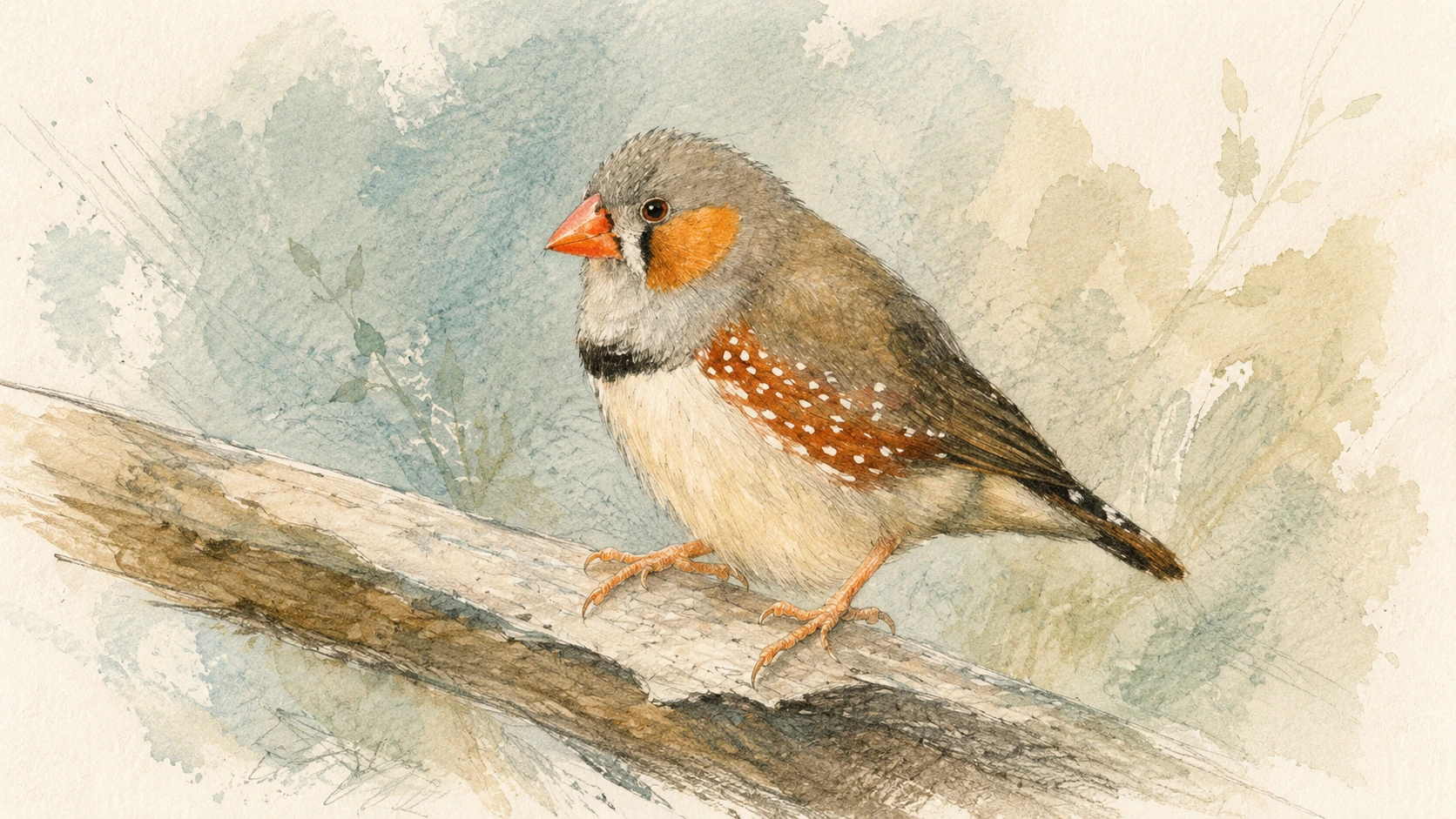
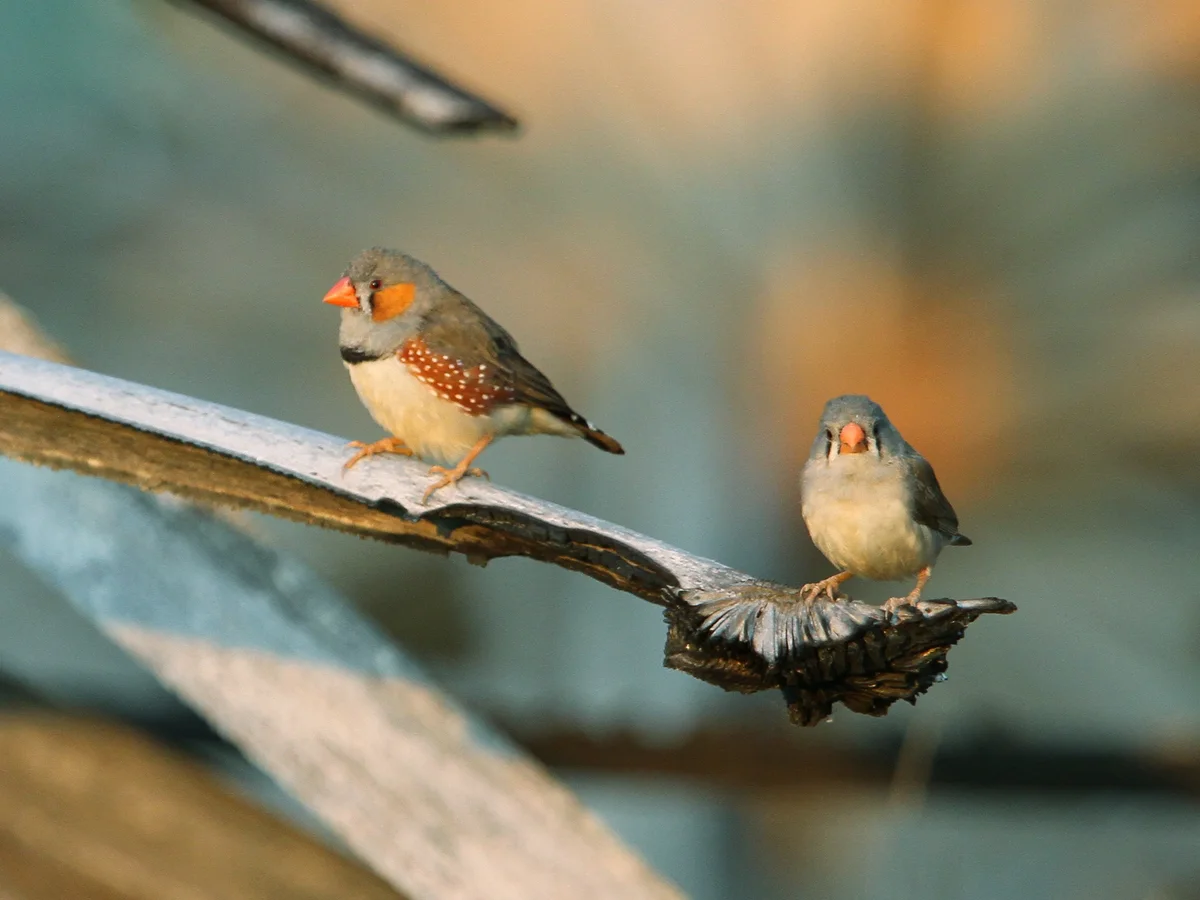
Zebra finches kò nílò ìyọ̀nda wa kí wọ́n tó ní social life. Wọ́n máa ń pe nígbà tí ebi ń pa wọn, tí wọ́n yà kúrò lọ́dọ̀ ẹlẹgbẹ́, ní courtship, ní alarm, ní contact pẹ̀lú partner, tàbí ní conflict. Ethologists lè pín àwọn sound wọ̀nyí sí call-types: practical categories bí alarm calls, contact calls tàbí begging calls, tí a define pẹ̀lú shape sound àti ohun tí bird ń ṣe nígbà tí ó lo sound náà. Ìbéèrè tó nira jù ni bóyá birds fúnra wọn tún pín calls náà lọ́nà yẹn.
ìwé ìwádìí kan nínú Science ṣe claim tó narrow ṣùgbọ́n tó ṣe pàtàkì: adult zebra finches lè categorize call-types nínú vocal repertoire tiwọn, àwọn àṣìṣe wọn sì ń daba pé calls tí ìhùwàsí wọn jọ sún mọ́ ara wọn nínú perceptual space birds ju ohun tí acoustics nìkan yóò predict lọ.
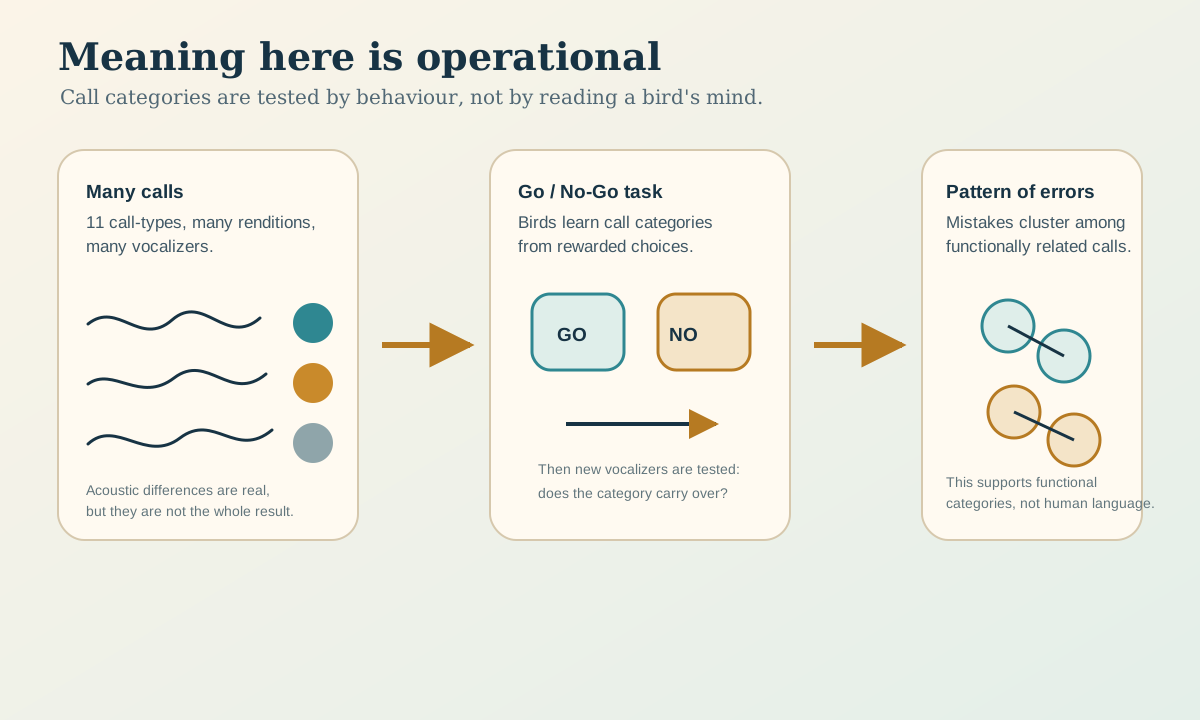
Níbi yìí ni ọ̀rọ̀ semantic ti wọ ìwé ìwádìí náà. Kò túmọ̀ sí pé birds ní words ní ènìyàn sense. Kò túmọ̀ sí syntax, conversation, tàbí dictionary kan tó farapamọ́ nínú finch ọpọlọ. Níbí “meaning” jẹ́ operational: tí calls méjì bá wúlò ní similar social contexts, tí birds sì confuse wọn ju ohun tí sound alone lè ṣàlàyé lọ, behavioral category dà bí ẹni pé ó ń shape perception.
Clean ẹ̀dà kì í ṣe “birds ní èdè.” Ó jẹ́: zebra finches dà bí ẹni pé wọ́n ń treat own calls wọn gẹ́gẹ́ bí functional categories, àwọn category kan sì ń hùwà bí ẹni pé wọ́n carry meaning ní limited, testable sense ti ìdánwò náà.
Ohun tí àwọn olùkọ̀wé ìdánwò
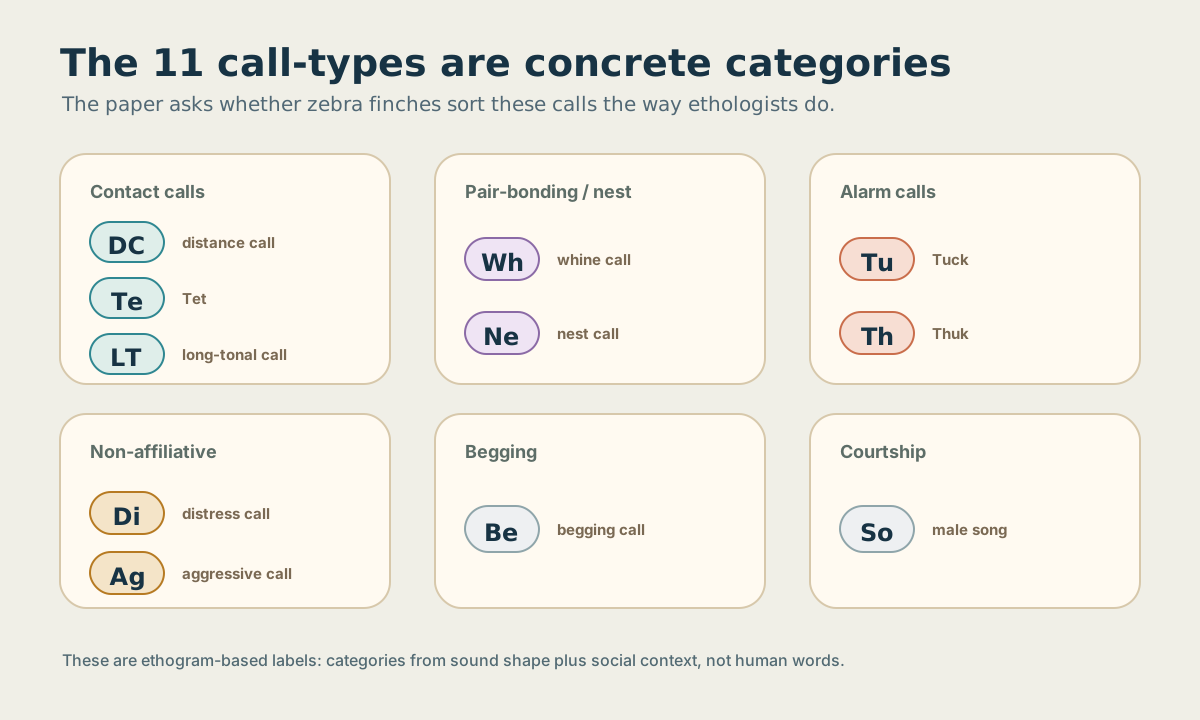
Àwọn olùkọ̀wé bẹ̀rẹ̀ láti existing ethological map ti zebra finch repertoire. Species náà ní tó 11 ethogram-based call-types: calls tó ní association pẹ̀lú contact, pair bonding àti nest ìhùwàsí, alarm, aggression tàbí non-affiliative ìhùwàsí, begging, àti male song.
Classification náà ni ènìyàn ṣe. Ó darapọ̀ acoustic àbùdá, context tí sound ti produced, àti ohun tí sound sábà ń ṣe nínú social life. Ṣùgbọ́n ènìyàn ethogram kì í automatically jẹ́ animal mental map. ìwádìí náà béèrè linked ìbéèrè mẹ́ta.
Àkọ́kọ́, ṣé zebra finches lè discriminate gbogbo call-types wọ̀nyí?
Ẹlẹ́ẹ̀kejì, ṣé wọ́n generalize call-type category sí vocalizers tí wọ́n kò tíì gbọ́, dípò kí wọ́n memorize individual examples nìkan?
Ẹlẹ́ẹ̀kẹta, nígbà tí wọ́n bá ṣe mistake, ṣé mistakes náà ń tẹ̀ lé acoustic similarity nìkan, tàbí behavioral meaning ti calls tún ń ní ipa?
Point pàtàkì ni pé ìdánwò kò béèrè lọ́wọ́ bird láti ṣàlàyé ohun tí call túmọ̀ sí. Ó ń béèrè bóyá ìhùwàsí bird nínú controlled iṣẹ́-ṣiṣe ní statistical footprint ti categories àti meaning.
Bí ìdánwò ṣe ń ṣiṣẹ́
Terms mẹ́ta ni wọ́n carry weight púpọ̀ nínú ìwé ìwádìí yìí.
Call-type ni category ti zebra finch sound. ìwé ìwádìí lo ethogram-based call-types, ìyẹn categories tí a gba láti behavioral catalogue: acoustic appearance sound, igba tí birds produce rẹ̀, àti social situation tí ó jẹ́ apá rẹ̀. Vocalizer jẹ́ individual bird tí ó produce recorded call. Acoustic shape ni measurable sound àpẹẹrẹ; behavioral function ni ohun tí call sábà ń wúlò fún.
Call-types 11 tí wọ́n ìdánwò kì í ṣe abstract labels. Wọ́n ni repertoire tí birds gbọ́dọ̀ discriminate:
- Contact calls: ijìnnà call (DC), Tet (Te), long-tonal call (LT).
- Pair-bonding àti nest ìhùwàsí: whine call (Wh), nest call (Ne).
- Alarm calls: Tuck (Tu), Thuk (Th).
- Non-affiliative calls: distress call (Di), aggressive call (Ag).
- Begging: begging call (Be).
- Courtship: male song (So).
Main iṣẹ́-ṣiṣe jẹ́ Go/No-Go auditory discrimination. Bird peck lit key láti start six-second playback. Fún rewarded call, right move ni láti dúró: lẹ́yìn sound parí, food hopper gòkè, bird sì gba seed. Fún non-rewarded call, waiting kò ṣe nǹkan; efficient move ni láti peck lẹ́ẹ̀kan sí i nígbà playback, interrupt sound, kí ó start ìdánwò míì. Nítorí náà bird interruptions fi hàn sounds wo ni ó treat gẹ́gẹ́ bí “not rewarded category.”
Fún ìdánwò kọọkan, call-type kan ni rewarded, ten yòókù kò rewarded. Lẹ́yìn náà àwọn olùkọ̀wé yí rewarded call-type padà, wọ́n sì kọjá gbogbo repertoire. Wọ́n tún lo many renditions láti many vocalizers, pẹ̀lú few exact repeats. Èyí ṣe pàtàkì: bird kò lè memorize recording kan. Láti ṣe dáadáa, ó ní láti learn ohun tí ó count gẹ́gẹ́ bí call-type kọjá voices birds tó yàtọ̀ àti examples tó yàtọ̀.
“Perceptual space” tó tẹ̀ lé e kì í ṣe ọpọlọ scan tàbí literal map nínú animal. Ó jẹ́ map tí a infer láti mistakes. Tí call-types méjì bá confuse often, a fi wọn sún mọ́ra nínú behavioral map. Àwọn olùkọ̀wé fi èyí wé acoustic map tí a kọ láti sound àbùdá nìkan. Claim náà interesting nìkan tí àṣìṣe map birds bá pulled toward call function, kì í ṣe toward similar sound nìkan.
Ohun tí wọ́n rí
Birds lè discriminate full repertoire. Adult zebra finches 12, six males àti six females, ni wọ́n ìdánwò kọjá 11 call-types. Fere gbogbo ìdánwò succeeded: 127 nínú 131 call-type discrimination ìdánwò jẹ́ significant. Few ìkùnà ní birds pàtó àti call-types pàtó; overall àpẹẹrẹ ni pé every call-type ni wọ́n discriminate above chance.
Èyí ṣe pàtàkì nítorí repertoire kì í ṣe neat set ti isolated beeps. Díẹ̀ call-types acoustically clustered, àwọn míì grade sínú ọ̀kan òmíràn. Birds ṣì learn categories.
Wọ́n generalize categories sí tuntun vocalizers. Nínú ìdánwò kejì, birds learn láti discriminate call-types méjì láti small set of vocalizers. Ọjọ́ kejì, tuntun vocalizers ni a fi kún un pẹ̀lú reward òfin kan náà. Birds classify tuntun calls correctly very early, ṣáájú kí wọ́n lè learn every tuntun example láti reward feedback. Èyí ṣe àtìlẹ́yìn fún categorical perception ti call-type, kì í ṣe memorization ti individual sounds.
Category lè override tuntun reward òfin. Strongest behavioral trick hàn nígbà tí iṣẹ́-ṣiṣe di incongruent. Calls láti tuntun vocalizers ni a assign opposite reward contingency láti eyi tí birds ti learn fún call-type yẹn. Tí birds kan ń follow tuntun acoustic examples, wọ́n yẹ kí adapt immediately. Dípò bẹ́ẹ̀, early ìdáhùn follow previously learned call-type category, wọ́n sì produce systematically wrong reward decisions. Bí ọjọ́ ṣe ń lọ, birds slowly learn arbitrary tuntun òfin. Èyí gan-an ni ohun tí a máa retí tí natural call-type category bá gidi tó láti get in the way.
Mistakes kì í ṣe acoustic nìkan. Àwọn olùkọ̀wé fi acoustic space, tí a kọ láti classifier confusions among call sounds, wé perceptual space, tí a kọ láti behavioral àṣìṣe birds. Spaces méjèèjì related: sound ṣì matter. Ṣùgbọ́n call-types tí wọ́n jẹ́ kan náà behavioral tàbí semantic hyper-category sún mọ́ra sí i nínú perceptual space birds ju nínú acoustic space lọ. ìwé ìwádìí pe èyí ní semantic magnet ipa.
Ní numbers, grouping ní semantic hyper-category jẹ́ tó 2.43 times stronger nínú perceptual map ju acoustic map lọ. Ní plain èdè: mistakes birds ni a pulled toward functional meaning, kì í ṣe similar sound nìkan.
Kí ni “semantic” túmọ̀ sí níbí?
Èyí ni apá tó nílò care jù. Nínú ordinary èdè, “semantic” rọrùn láti di “words.” Kì í ṣe ohun tí ìwé ìwádìí yìí fi ẹ̀rí múlẹ̀.
ìwádìí lo “semantic” ní behavioral àti comparative-cognition sense. Call-type ní putative meaning nítorí ó associated pẹ̀lú social function: alarm, contact, begging, aggression, pair bonding, courtship. Tí birds confuse call-types méjì láti kan náà broad social category ju acoustics predict lọ, perceptual space wọn ń jẹ́ shaped nipasẹ functional category yẹn.
Èyí jẹ́ serious èsì. Ó daba pé bird kò kan ń gbọ spectrogram. Bird ń treat species-specific calls gẹ́gẹ́ bí behaviorally organized categories.
Ṣùgbọ́n ó ṣì indirect. Àwọn olùkọ̀wé kò lè read animal mind, wọ́n sì sọ bẹ́ẹ̀. Wọ́n infer internal representation láti ìhùwàsí: discrimination, generalization, àti systematic àṣìṣe.
Analogy tó wúlò kì í ṣe “finch words.” Ó sún mọ́ èyí: auditory ètò bird dà bí ẹni pé ó ń warp ijìnnà láàárín calls gẹ́gẹ́ bí ohun tí calls wúlò fún.
Ohun tí èyí kò fi ẹ̀rí múlẹ̀
- Kò fi human-like èdè hàn. Kò sí syntax, grammar, compositional meaning tàbí open-ended vocabulary nínú èsì yìí.
- Kò fi hàn pé zebra finches ní “words.” Call-types jẹ́ species-specific vocal categories tied sí behavioral contexts, kì í ṣe symbolic labels tí a lè recombine freely.
- Kò fi conversation pẹ̀lú ènìyàn hàn, tàbí decoded channel fún talking to birds.
- Kò access mental ipò taara. Meaning jẹ́ inference láti iṣẹ́-ṣiṣe ìhùwàsí àti àṣìṣe ìṣètò, kì í ṣe observed inside bird mind.
- Kò fi hàn pé birds understood tuntun meanings. Generalization sí tuntun vocalizers jẹ́ generalization ti call-type category across yàtọ̀ individual sounds.
- Kò settle bí categories wọ̀nyí develop. ìwádìí ìdánwò adult birds; bí exposure àti development ṣe shape semantic magnet ipa jẹ́ future iṣẹ́.
Báwo ni ẹ̀rí ṣe lágbára tó?
Fún categorical perception ti call-types, ẹ̀rí lágbára. Design béèrè fún birds láti discriminate full repertoire, lo many renditions láti many vocalizers, ó sì ní generalization ìdánwò níbi tí newly heard vocalizers ti classified by call-type. Incongruent reward condition useful gan-an nítorí ó fi hàn pé category lè interfere pẹ̀lú tuntun arbitrary òfin.
Fún operational kind of semantic perception, ẹ̀rí dáa ṣùgbọ́n inferential sí i. Semantic magnet ipa kì í ṣe metaphor nìkan: àwọn olùkọ̀wé fi acoustic àti behavioral ijìnnà maps wé, wọ́n sì rí pé behaviorally related call-types cluster strongly sí i nínú perception ju acoustics lọ. Èyí ṣe àtìlẹ́yìn fún idea pé call function shape perception.
Fún human-like meaning, ẹ̀rí kò sí — kò sì nílò láti wà. ìwé ìwádìí náà interesting sí i tí a bá jẹ́ kí ó remain specific. Animal communication kò di valuable nìkan nígbà tí ó resemble ènìyàn speech.
Kí nìdí tí ó fi ṣe pàtàkì?
Public temptation hàn gbangba. Tí bird bá hear call gẹ́gẹ́ bí meaningful, àkọlé tó tẹ̀ lé e fẹ́ sọ pé a ń decode animal èdè. Leap yẹn skip hard part of science.
Careful èsì dára ju. Ó fi hàn bí olùwádìí ṣe lè ìdánwò “meaning” láìpretend pé wọ́n translate animal mind. Wọ́n lè béèrè bóyá animals agree pẹ̀lú ènìyàn ethologists categories. Wọ́n lè béèrè bóyá tuntun examples sorted by category. Wọ́n lè béèrè bóyá àṣìṣe follow acoustic similarity tàbí social function. Èyí jẹ́ ọ̀nà láti mú old ìbéèrè — ṣé animal calls mean anything to animals? — sharp sí i experimentally.
Ó tún move discussion kúrò ní false ladder níbi tí ènìyàn ní èdè, gbogbo nǹkan míì sì jẹ́ ariwo. Zebra finches ní small, species-specific vocal repertoire. Nínú repertoire náà, ìwádìí yìí daba pé birds perceive structured categories tied sí social lò. Kì í ṣe èdè wa. Ó jẹ́ communication ètò tiwọn, tested on its own terms.
Àkótán kedere
Science ìwádìí kan ìdánwò adult zebra finches lórí 11 call-types nínú vocal repertoire wọn. Nínú auditory Go/No-Go iṣẹ́-ṣiṣe, birds discriminate gbogbo call-types, generalize learned categories sí calls láti tuntun vocalizers, àti nínú incongruent condition initially follow call-type categories paapaa nígbà tí èyí produce wrong reward decisions. Àwọn olùkọ̀wé fi acoustic similarity wé behavioral àṣìṣe, wọ́n sì rí pé call-types tí a lo ní similar social contexts cluster strongly sí i nínú perceptual space birds ju acoustic space lọ. Èyí ṣe àtìlẹ́yìn fún categorical perception àti operational form of semantic perception: birds dà bí ẹni pé wọ́n organize own calls wọn nípa functional categories, kì í ṣe sound nìkan. Kò fi human-like èdè, syntax, words, taara access sí mental ipò, tàbí conversation pẹ̀lú birds hàn.
Àyẹ̀wò láìsí àṣejù
Ohun tí ìwé ìwádìí fi hàn: Adult zebra finches lè discriminate 11 ethogram-based call-types repertoire wọn; wọ́n generalize call-type categories sí tuntun vocalizers; systematic àṣìṣe wọn sì shaped nipasẹ behavioral tàbí semantic categories beyond acoustic similarity alone.
Ohun tó ṣeé gbà ṣùgbọ́n tí a kò fi ẹ̀rí múlẹ̀: Pé zebra finches ní internal representations of call meaning; pé similar neural maps wà lẹ́yìn behavioral “semantic magnet” ipa; pé development àti exposure shape categories wọ̀nyí ní ways analogous sí learned perceptual categories míì.
Ohun tí kò fi hàn: Human-like èdè; grammar; open-ended words; symbolic reference ní ènìyàn sense; ẹ̀rí taara of subjective mental ipò; way fún ènìyàn láti talk pẹ̀lú zebra finches.
Main limitations: Laboratory operant iṣẹ́-ṣiṣe pẹ̀lú 12 adult birds, kì í ṣe natural field interactions; “semantic” jẹ́ inferred láti ìhùwàsí àti àṣìṣe ìṣètò; development ṣì open; èsì jẹ́ nípa fixed species-specific repertoire, kì í ṣe flexible compositional èdè.
Confidence wo ni gbogbogbò reader yẹ kí ó ní? Gíga pé zebra finches lè categorize àti discriminate call-types nínú iṣẹ́-ṣiṣe yìí. Dáa pé àṣìṣe wọn reflect functional categories, kì í ṣe acoustic similarity nìkan. Kéré pé èyí jẹ́ ẹ̀rí fún bird èdè ní ènìyàn sense. Ìpò tó yẹ: lágbára animal-cognition èsì nípa meaningful vocal categories, kì í ṣe Dolittle moment.
Àwọn orísun
Da lórí: Categorical and semantic perception of the meaning of call-types in zebra finches — Julie E. Elie, Aude de Witasse-Thézy, Logan Thomas, Ben Malit, and Frédéric E. Theunissen, Science 389, 1210-1215 (2025).
Ẹni tó kọ ọ́
Laura Nesso · àwọn àwòrán àti ìjápọ̀ láti ọwọ́
Laura Nesso, Nova Vela · olóòtú
Michele Renda
· àwọn àwòrán àti ìjápọ̀ láti ọwọ́
Laura Nesso, Nova Vela · olóòtú
Michele Renda · olùtumọ̀
Nova Vela
· olùtumọ̀
Nova Vela
The Clean Paper · 3 Oṣù Keje 2026 · Ọ̀rọ̀ inú ojúlé yìí wà lábẹ́ ìwé-àṣẹ CC BY-SA 4.0. Àwọn àwòrán ní ìwé-àṣẹ ọ̀tọ̀ọ̀tọ̀. 


Àkíyèsí olóòtú
AI ni ó kọ àpilẹ̀kọ yìí, ẹgbẹ́ olóòtú sì ṣàyẹ̀wò rẹ̀. Ó jẹ́ àlàyé tó ṣe kedere, tó sì ṣọ́ra nípa iṣẹ́ tí a so mọ́ ọn; kì í ṣe arọ́pò fún kíka iṣẹ́ náà. Olóòtú ni ó ṣì ní ojúṣe fún yíyan, ìtumọ̀ àti ọ̀rọ̀ ìkẹyìn.