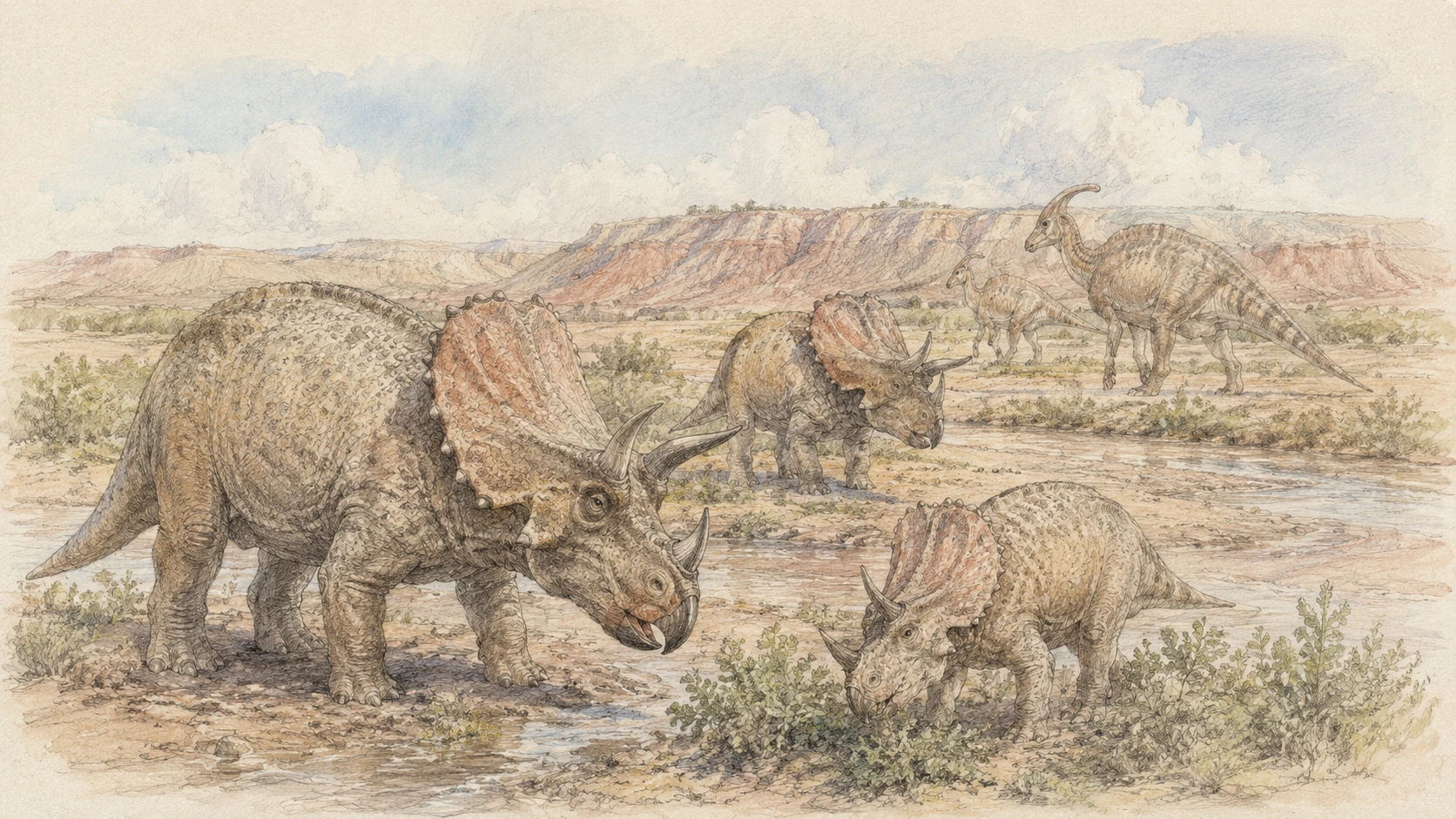
Ẹlẹ́rìí kan láti gúúsù, nítòsí òpin
A sábà ń sọ itan àwọn dinosaurs ikẹhin nípasẹ̀ northern Great Plains: Montana, Dakotas, Hell Creek world. Record yẹn dára tó bẹ́ẹ̀ tí ó fi di ohun tí gbogbo wa mọ̀, familiarity sì máa ń ṣe bí completeness. Fossils kò pin ka gbogbo ibi ní ìwọ̀n kan, nítorí history kò fi ara rẹ̀ pamọ́ sí files fún wa.
Science ìwé ìwádìí tuntun kan fi southern witness kún un. òǹkọ̀wé ìwádìí Naashoibito Member nínú San Juan Basin ti New Mexico, fossil-bearing àpáta unit tí age rẹ̀ ti jẹ́ ariyanjiyan fún decades. Tí fossils wọ̀nyí bá older, wọ́n kò ní sọ púpọ̀ nípa final moments ṣáájú asteroid impact. Tí wọ́n bá late Cretaceous gan-an, wọn máa matter púpọ̀.
Answer ìwé ìwádìí jẹ́ option kejì. Pẹ̀lú geochronology tuntun àti magnetostratigraphy, ẹgbẹ́ náà argue pé pàtàkì dinosaur-bearing horizons nínú Naashoibito Member wà nínú nípa 340,000 years of Cretaceous-Paleogene ààlà. Èyí gbe New Mexico dinosaurs sún mọ́ end tó bẹ́ẹ̀ tí wọ́n lè contribute sí old ìbéèrè: ṣé dinosaurs ti ń decline fún igba pípẹ́, tàbí many ecosystems ṣì regionally diverse nígbà impact dé?
Careful answer kì í ṣe “gbogbo dinosaurs ń ṣe dáadáa, lẹ́yìn náà boom.” Gbolohun yẹn ní rhythm, ṣùgbọ́n manners rẹ̀ buru. Better answer dín síi: ní western North America, southern àkọsílẹ̀ tó well-dated ṣe àtìlẹ́yìn fún picture of late dinosaur faunas tí ṣì regionally distinct, kì í ṣe single low-diversity community tó fade everywhere at once.
Èyí tó. Kò nílò hat tó louder.
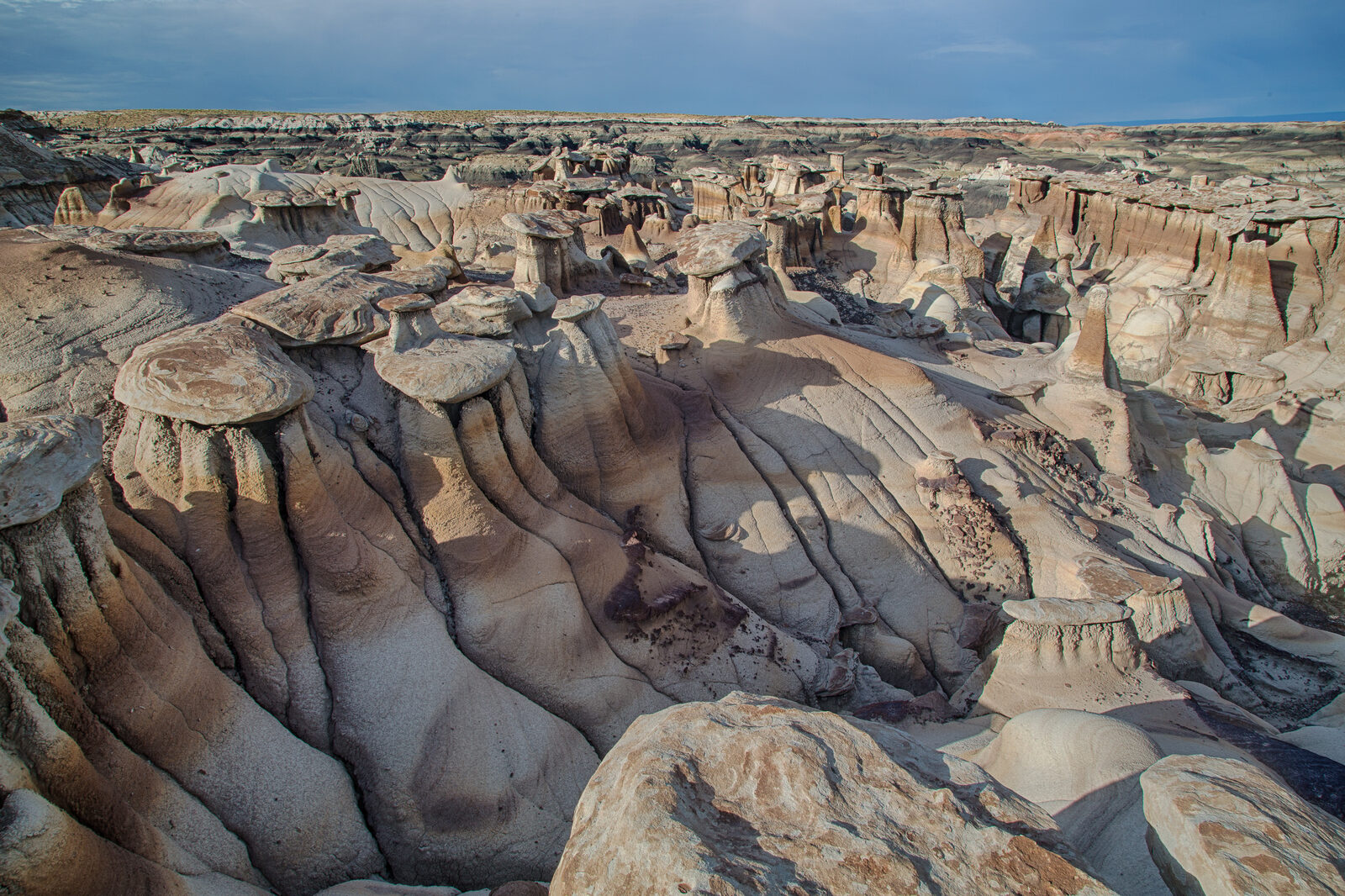
Kí ni “within 340,000 years” túmọ̀ sí níhìn-ín?
Asteroid impact àti Cretaceous-Paleogene ààlà dated sí nípa 66.052 million years ago. ìbéèrè ni ibi tí fossil-bearing àpáta wà relative sí line yẹn.
òǹkọ̀wé kò date dinosaur bones taara kí wọ́n sì sọ pé matter closed. Wọ́n date volcanic mineral grains, pàápàá sanidine, láti sandstones nínú Naashoibito section pẹ̀lú ⁴⁰Ar/³⁹Ar geochronology, wọ́n sì combine dates pẹ̀lú magnetostratigraphy: àkọsílẹ̀ of Earth’s magnetic reversals preserved nínú àpáta.
Short ẹ̀dà: àpẹẹrẹ kan gives maximum depositional age 66.87 ± 0.04 million years, òmíràn dinosaur-bearing àpẹẹrẹ gives 66.38 ± 0.08 million years, magnetic àpẹẹrẹ sì place upper section nínú final reversed-polarity interval ti Cretaceous. Together, constraints wọ̀nyí put pàtàkì dinosaur-bearing horizons near ààlà. Geological clock ni, kì í ṣe stopwatch, ṣùgbọ́n close enough láti change argument.
Ohun tí àwọn olùkọ̀wé ṣe
ẹgbẹ́ náà combine kinds of iṣẹ́ méjì tí wọ́n nílò ara wọn. Àkọ́kọ́, wọ́n tighten age ti Naashoibito Member. Unit náà wà above older Campanian àpáta àti below early Paleocene àpáta, ṣùgbọ́n exact age contested: earlier interpretations kan gbe e sí around 70-69 million years ago, others argue latest Cretaceous age, claims díẹ̀ paápàá push parts of àkọsílẹ̀ wọ Paleocene. òǹkọ̀wé measure sections, àpẹẹrẹ dinosaur-bearing localities, date detrital sanidine grains pẹ̀lú ⁴⁰Ar/³⁹Ar ọ̀nà, wọ́n sì tie section sí known magnetic polarity intervals.
Èkejì, wọ́n béèrè bí fauna ṣe rí in context. Wọ́n assemble terrestrial àti freshwater vertebrate occurrence dátà láti western North America kọjá Campanian, Maastrichtian àti early Paleocene, lẹ́yìn náà lo ecological àti biogeographic ọ̀nà láti ìdánwò whether faunas regional tàbí uniform. Keyword ni provinciality: whether yàtọ̀ regions ní distinct communities, dípò animals kan náà everywhere.
Èyí ṣe pàtàkì nítorí ẹ̀dà kan ti late dinosaur history sọ pé western North America di homogeneous síi nínú Maastrichtian, pẹ̀lú fewer regional differences àti sí i cosmopolitan fauna. More uniform, lower-diversity ètò lè rọrùn láti imagine as vulnerable ṣáájú asteroid. Regionally structured ètò sọ ìtàn mìíràn.
Ohun tí wọ́n rí
Dating ni hinge. Dinosaur-bearing Naashoibito àpẹẹrẹ méjì ní late Maastrichtian constraints. Sandstone àpẹẹrẹ H08-Sand-08 yielded maximum depositional age 66.87 ± 0.04 million years. Sample láti “34-Bone Site,” pẹ̀lú partial lambeosaurine hadrosaur skeleton, yielded maximum depositional age 66.38 ± 0.08 million years. Combined pẹ̀lú magnetic polarity àkọsílẹ̀, òǹkọ̀wé place major Naashoibito dinosaur-bearing horizons nínú nípa 340,000 years of K-Pg ààlà.
Èyí mú San Juan Basin àkọsílẹ̀ broadly contemporaneous pẹ̀lú better-known Hell Creek faunas farther north. Ó tún separate Naashoibito dinosaurs láti earliest Paleocene Nacimiento fauna ní nípa 700,000 years, tó ṣe pàtàkì nítorí kò sí ẹni tó fẹ́ accidentally put non-avian dinosaurs on wrong side of extinction ààlà. Èyí yóò jẹ́ untidy — àti wrong.
Ecological èsì ni other half. Kọjá latest Cretaceous intervals tí wọ́n analyze, òǹkọ̀wé rí ẹ̀rí fún bioprovinces méjì nínú western North America. Dinosaurs, analyzed on their own, separate sí bioprovinces méjì kọjá gbogbo latest Cretaceous àkókò intervals nínú ìwádìí. ìwé ìwádìí argue pé regional differences wọ̀nyí kò simply collapse sí single uniform fauna ṣáájú impact.
Driver kì í ṣe north-south line nìkan. Analyses wọn kókó sí temperature gẹ́gẹ́ bí pàtàkì factor shaping bioprovinces nínú Cretaceous, geography secondary. Warmer southern regions lè favor animals kan, bí sauropods; cooler northern regions favor others, bí hadrosaurines. Point kì í ṣe pé province kọọkan healthier ju omiì. Ó jẹ́ pé late Cretaceous map ṣì ní ìṣètò.
Ohun tí èyí kò fi ẹ̀rí múlẹ̀
- Kò fi ẹ̀rí múlẹ̀ pé dinosaurs everywhere on Earth thriving títí asteroid hit. òǹkọ̀wé explicit pé picture ṣi largely North American.
- Kò erase ẹ̀rí fún decline nínú ẹgbẹ́, regions tàbí analyses kan. Ó push against overly smooth continent-wide ìtàn, kì í ṣe every ṣeé ṣe stress-before-extinction scenario.
- Kò fi hàn asteroid unimportant. Impact remains pàtàkì ìṣẹ̀lẹ̀ at ààlà; ìwé ìwádìí asks what kind of ecosystems were hit.
- Kò turn New Mexico sí perfect window lórí whole pílánẹ́ẹ̀tì. Ó add southern dátà kókó tí missing nínú àkọsílẹ̀ dominated by northern sites.
- Kò make “flourishing until impact” láìléwu àkọlé. Èyí jẹ́ broadest claim, kì í ṣe cleanest èsì.
Báwo ni ẹ̀rí ṣe lágbára tó?
Fún age ti Naashoibito dinosaur-bearing horizons, main-text ẹ̀rí lágbára enough to matter. òǹkọ̀wé combine radioisotopic dates láti detrital sanidine grains pẹ̀lú magnetostratigraphy, key dates sì line up pẹ̀lú latest Cretaceous interpretation. ìwé ìwádìí tún address older controversy taara.
Technical caveat ṣì wà. Detailed geochronology, magnetic interpretation àti dátà tables wà nínú Science supplementary ohun èlò. Main ìwé ìwádìí gives necessary claims/numbers, ṣùgbọ́n final publication pass yẹ kí check supplement ṣáájú treating every methodological detail closed.
Fún broader ecological claim, ẹ̀rí suggestive àti useful, ṣùgbọ́n sí i model-dependent. òǹkọ̀wé lo occurrence datasets, clustering àti resampling láti infer bioprovinces. Right irinṣẹ́ ni, ṣùgbọ́n èsì depend lórí fossil sampling, taxonomic assignments, àkókò binning àti how absences handled. Fossil àkọsílẹ̀ jẹ́ dátà pẹ̀lú missing teeth.
Safest reading split: New Mexico àkọsílẹ̀ jẹ́ gidi, important late Cretaceous southern àkọsílẹ̀; conclusion pé western North America retained regional faunal ìṣètò near end well supported by analyses; jump sí global dinosaur health yẹ ká resist.
Kí nìdí tí ó fi ṣe pàtàkì?
Old debate lórí dinosaur decline kì í ṣe nípa dinosaurs nìkan. Ó jẹ́ nípa iye weight tí fossil àkọsílẹ̀ kan lè carry.
Tí best end-Cretaceous àkọsílẹ̀ wá láti northern Great Plains, rọrùn láti jẹ́ kí àkọsílẹ̀ yẹn represent continent, lẹ́yìn continent represent world. Efficient ni. Ó tún jẹ́ bí regional àpẹẹrẹ ṣe di global ìtàn láì ní ticket.
New Mexico èsì mú ìtàn náà less smooth. Ó sọ: wo south. Dinosaur-bearing unit kan wà close to ààlà. Faunas wà tí kò duplicate northern ones. ẹ̀rí wà pé temperature àti regional ecology ṣì matter late in game.
Èyí kò make asteroid less catastrophic. Bí ohunkóhun, ó sharpen catastrophe. Impact kò dé ní end of single simplified ecosystem. Ó lu set of regional worlds tí ṣì ní own arrangements.
Quiet lesson mìíràn: good dating changes narrative. Fossil assemblage láìsí secure age lè di rumor pẹ̀lú bones. Fi í sí right part of clock, fossils kan náà di ẹ̀rí.
Àkótán kedere
Science ìwádìí kan re-examine Naashoibito Member ní New Mexico, dinosaur-bearing unit tí age rẹ̀ ti debated. Pẹ̀lú detrital sanidine ⁴⁰Ar/³⁹Ar dating àti magnetostratigraphy, òǹkọ̀wé constrain major dinosaur-bearing horizons sí nínú nípa 340,000 years of Cretaceous-Paleogene ààlà, making them among last known non-avian dinosaurs in North America àti broadly contemporaneous pẹ̀lú Hell Creek faunas. Ecological/biogeographic analyses tọ́ka sí late Cretaceous faunas retained regional ìṣètò: dinosaurs separate sí bioprovinces méjì, temperature likely major driver. èsì push back against ọ̀kan low-diversity continent-wide fauna fading uniformly ṣáájú impact. Kò fi ẹ̀rí múlẹ̀ global dinosaur health, solve every decline debate, tàbí fi hàn gbogbo dinosaurs flourishing until end. Ó fi hàn pé better-dated southern àkọsílẹ̀ makes final North American ìtàn sí i regional, structured, less smooth.
Àyẹ̀wò láìsí àṣejù
Ohun tí ìwé ìwádìí fi hàn: Naashoibito dinosaur-bearing horizons latest Cretaceous, probably nínú nípa 340,000 years of K-Pg ààlà; western North American vertebrate àkọsílẹ̀ ṣe àtìlẹ́yìn fún persistent regional bioprovinces near end.
Ohun tó ṣeé gbà ṣùgbọ́n unproven: Many dinosaur ecosystems ṣì robust just ṣáájú impact; temperature helped maintain distinct northern/southern faunal worlds; older simple continent-wide decline too smooth.
Ohun tí kò fi hàn: Dinosaurs everywhere thriving; no ẹgbẹ́/regions declining; asteroid not pàtàkì trigger; New Mexico alone rewrites global end-Cretaceous.
Main limitations: Regional fossil àkọsílẹ̀; model-dependent provinciality ìtúpalẹ̀; sampling biases; detailed ọ̀nà need supplement check.
Ìgbẹ́kẹ̀lé wo ni olùkà gbogboogbo yẹ kí ó ní? Gíga pé New Mexico now provides important late Cretaceous southern dinosaur àkọsílẹ̀. Good pé western North America retained regional faunal ìṣètò near end. Low pé a lè compress sí “dinosaurs were fine everywhere until asteroid.” Real èsì: last chapter wasn’t ọ̀kan flat continent-wide ìtàn.
Àwọn orísun
Da lórí: Late-surviving New Mexican dinosaurs illuminate high end-Cretaceous diversity and provinciality — Andrew G. Flynn, Stephen L. Brusatte, Alfio Alessandro Chiarenza, Jorge Garcia-Giron, Adam J. Davis, C. Will Fenley IV, Caitlin E. Leslie, Ross Secord, Sarah Shelley, Anne Weil, Matthew T. Heizler, Thomas E. Williamson, and Daniel J. Peppe, Science 390, 400-404 (2025).
Ẹni tó kọ ọ́
Cinzia Vaglio · àwọn àwòrán àti ìjápọ̀ láti ọwọ́
Lucio Vaglio, Nova Vela · olóòtú
Michele Renda
· àwọn àwòrán àti ìjápọ̀ láti ọwọ́
Lucio Vaglio, Nova Vela · olóòtú
Michele Renda · olùtumọ̀
Nova Vela
· olùtumọ̀
Nova Vela
The Clean Paper · 5 Oṣù Keje 2026 · Ọ̀rọ̀ inú ojúlé yìí wà lábẹ́ ìwé-àṣẹ CC BY-SA 4.0. Àwọn àwòrán ní ìwé-àṣẹ ọ̀tọ̀ọ̀tọ̀. 


.jpg)
Àkíyèsí olóòtú
AI ni ó kọ àpilẹ̀kọ yìí, ẹgbẹ́ olóòtú sì ṣàyẹ̀wò rẹ̀. Ó jẹ́ àlàyé tó ṣe kedere, tó sì ṣọ́ra nípa iṣẹ́ tí a so mọ́ ọn; kì í ṣe arọ́pò fún kíka iṣẹ́ náà. Olóòtú ni ó ṣì ní ojúṣe fún yíyan, ìtumọ̀ àti ọ̀rọ̀ ìkẹyìn.