কম্পিউটার বিজ্ঞান
অকাল অপ্টিমাইজেশান সমস্ত মন্দের মূল।
— (1974)

AI ব্যবহার করে অভিজ্ঞ ডেভেলপারদের কাজ দ্রুত মনে হয়েছিল, কিন্তু মাপে তারা ধীর হয়েছিলেন — আসল ফলটি এটাই, AI কোডিংয়ের চূড়ান্ত রায় নয়
METR-এর randomized controlled trial-এ ১৬ জন অভিজ্ঞ ওপেন-সোর্স ডেভেলপার তাদের পরিচিত কোডবেসে ২৪৬টি বাস্তব কাজ করেছেন; অর্ধেক কাজে early-2025 AI tool ব্যবহার করা যেত। তারা ২৪% speedup আশা করেছিলেন, কিন্তু AI completion time ১৯% বাড়িয়েছে — তবুও পরে তারা মনে করেছিলেন AI তাদের প্রায় ২০% দ্রুত করেছে। এই perception gap গবেষণার সবচেয়ে শক্ত ফল; তবে sample ছোট, setting সংকীর্ণ এবং পরবর্তী tool ইতিমধ্যেই ভিন্ন ফলের ইঙ্গিত দিচ্ছে।
Cryptographic proof secret লুকাতে পারে—কারণ missing simulator-এর অনুপস্থিতি প্রমাণ করাই কঠিন
Classical zero-knowledge actual simulator দাবি করে, কিন্তু one message, no setup ও perfect soundness-এর setting-এ তা impossible। Rahul Ilango-র effectively zero-knowledge notion target বদলায়: chosen formal proof system যেন efficiently প্রমাণ করতে না পারে যে simulator নেই। Major proof-complexity ও cryptographic assumptions-এর অধীনে এই দুর্বল, proof-theoretic guarantee falsifiable game-based ZK consequence property-by-property recover করতে পারে। এটি classical ZK বা deploy-ready primitive নয়।
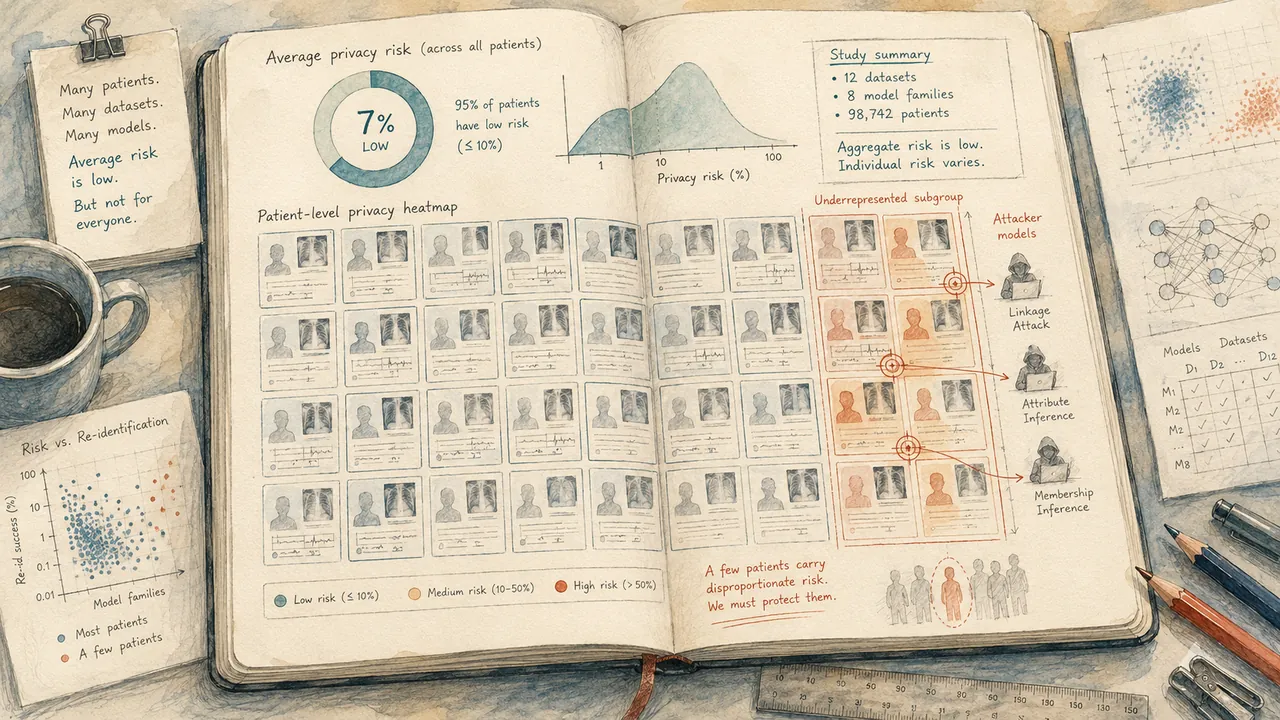
Medical AI average-এ private হয়েও নির্দিষ্ট patient-কে expose করতে পারে — বিশেষ করে underrepresented patient-কে
Seven medical dataset ও বহু model-এ per-patient membership-inference analysis দেখায় aggregate privacy metric severe individual risk hide করতে পারে। কিছু patient-এর attack AUC ≥0.95 হলেও overall average chance-level, এবং extreme-risk tail-এ minority ethnicity, rare phenotype ও unusual image disproportionately বেশি। Model capacity বাড়লে tail risk বাড়ে। Study patient record content leak বা actual deployed attack frequency measure করে না; এটি দেখায় “private on average” ব্যক্তি-level guarantee নয়। Authors per-patient testing, access control ও differential privacy-এর মতো mitigation চান।
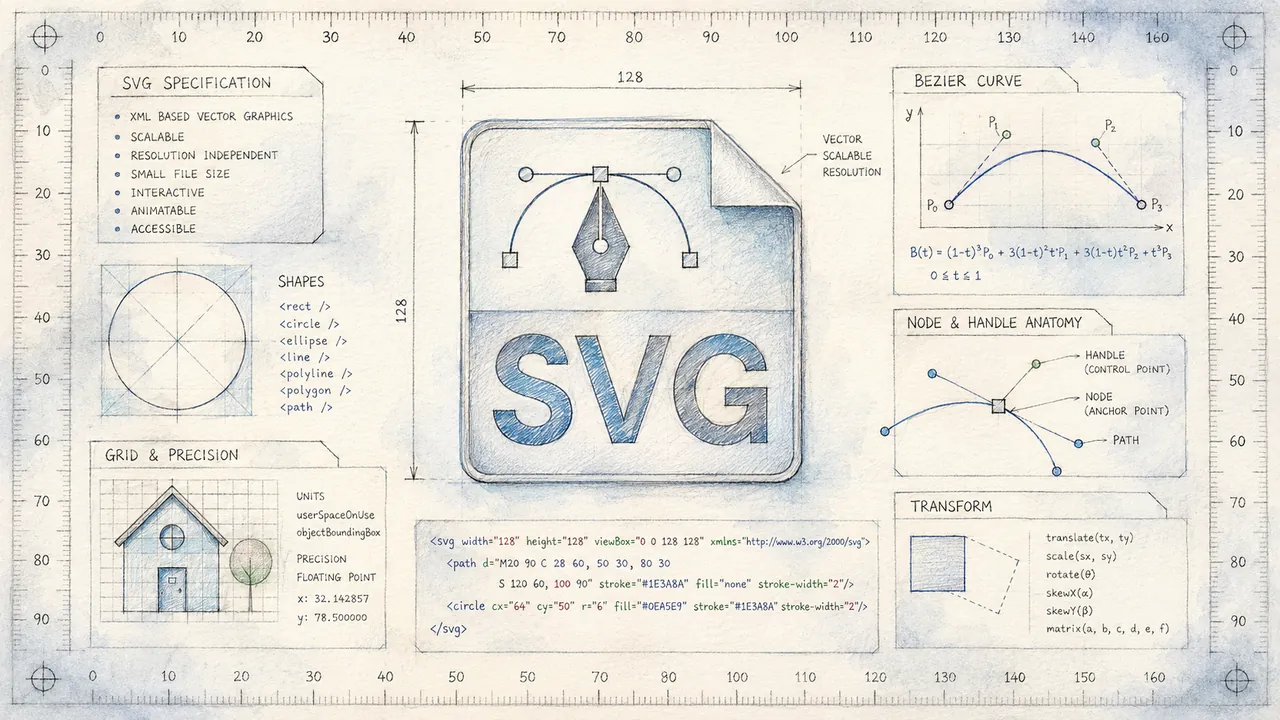
AI-কে নিজের drawing দেখালেই হয় না — feedback ব্যবহার করতে শেখাতে হয়
Render-in-the-Loop study-তে pretrained drawing agent-কে শুধু visual feedback দিলে performance অনেক ক্ষেত্রে খারাপ হয়; feedback-aware training-এর পরে render দেখে code revise করা useful হয়। Result more vision automatically better agent নয়—feedback-to-action skill শেখানোর evidence।

একটি AI agent পুরো patient case নিজে চালিয়েছে — simulator-এ, পুরোনো record-এর ওপর
Autonomous medical-AI agent historical case-based simulator-এ পুরো clinical workflow চালিয়েছে — test order, result interpretation, iterative diagnosis ও management। 574 case overall benchmark এবং 311 case human comparison-এ strong performance দেখালেও agent বেশি test order করেছে, environment sandbox ছিল এবং MIMIC-IV contamination/retrospective limitation আছে। Result long-horizon medical reasoning capability দেখায়; real patient care-এর autonomy বা safety নয়।
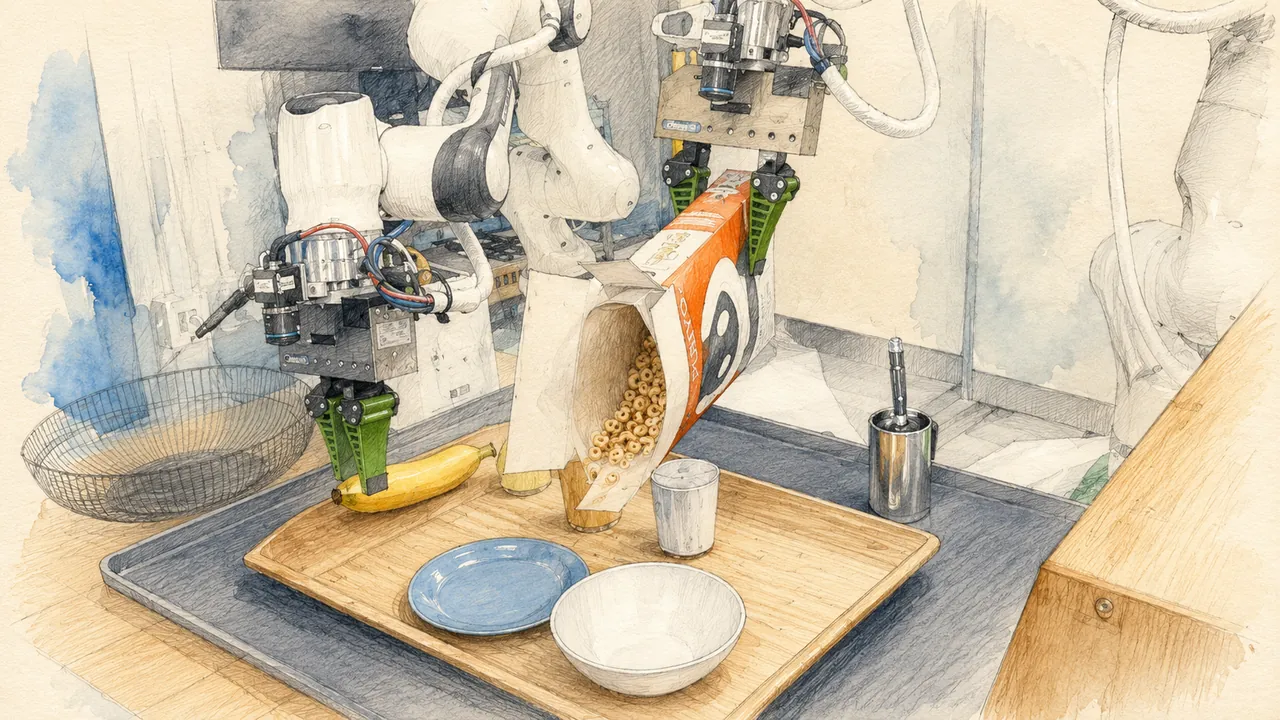
Large behavior model সত্যিই সাহায্য করে — কিন্তু general-purpose robot নয়
প্রায় 1,700 hours robot data-তে pretrained diffusion policy, per-task finetuning-এর পরে scratch baseline-এর তুলনায় moderate but real advantage দেখায়: 3–5× কম task-specific data এবং distribution shift-এ বেশি robustness। Zero-shot generalist বা emergent leap দেখা যায়নি; paper-এর আরেক বড় ফল হলো robot evaluation-এ noise কত সহজে progress সেজে উঠতে পারে।
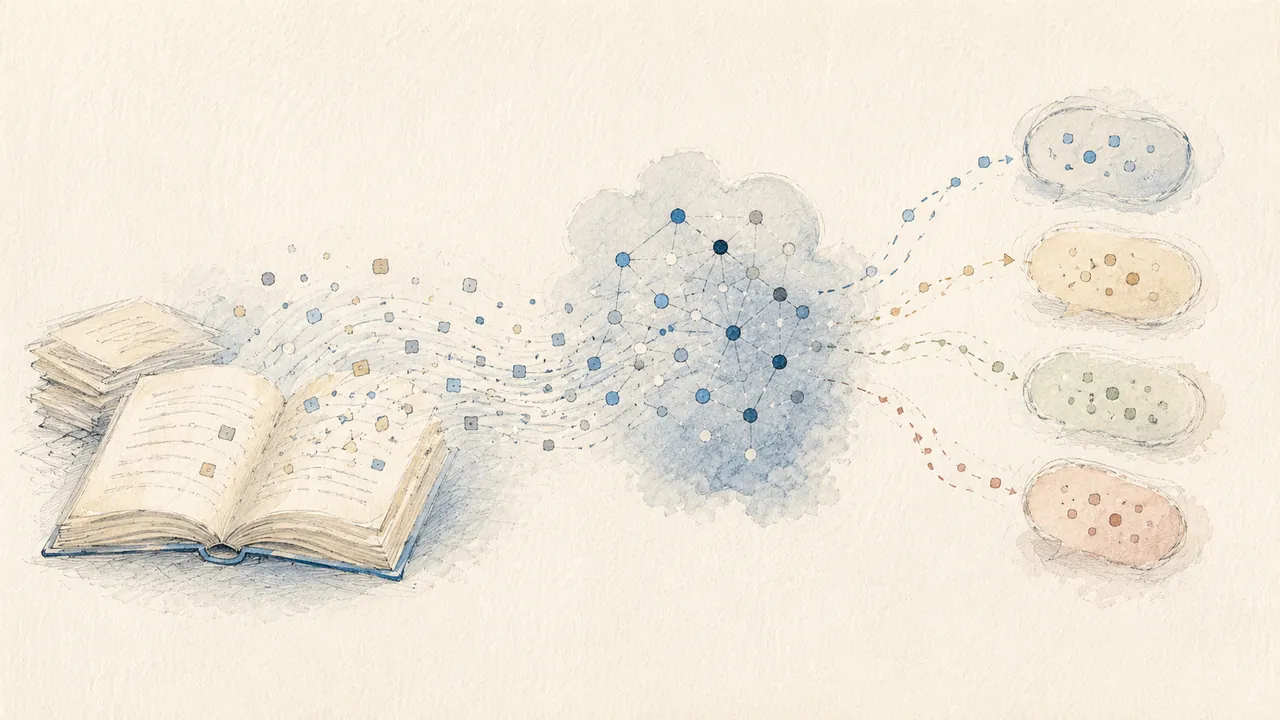
Language model কেন hallucinate করে — এবং benchmark কেন guessing-কে reward করে
Paper statistical lower bound দিয়ে কিছু factual error-এর inevitability ব্যাখ্যা করে এবং দেখায় mainstream accuracy benchmark “I don’t know” ও wrong answer-কে একই score দিলে guessing rational হয়। Open-rubric case study incentive flip করে, কিন্তু broad hallucination cure এখনও demonstrated নয়।